
1. Frozen whole crab and frozen crab meat differ in form, preparation and yield
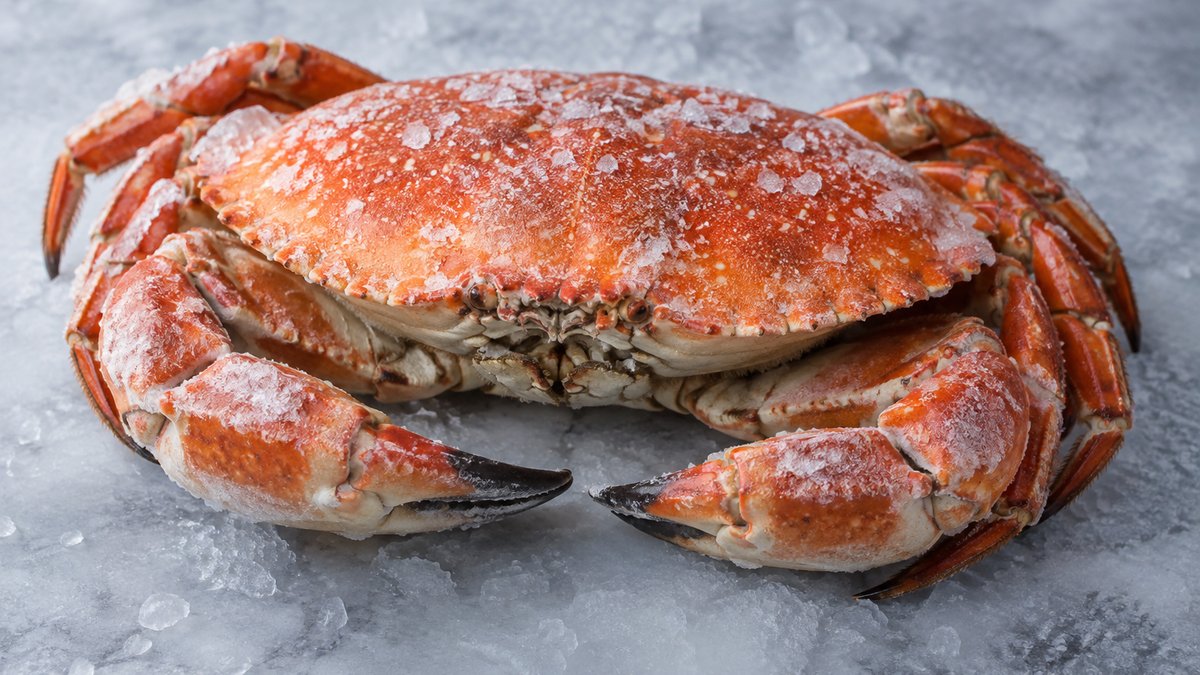
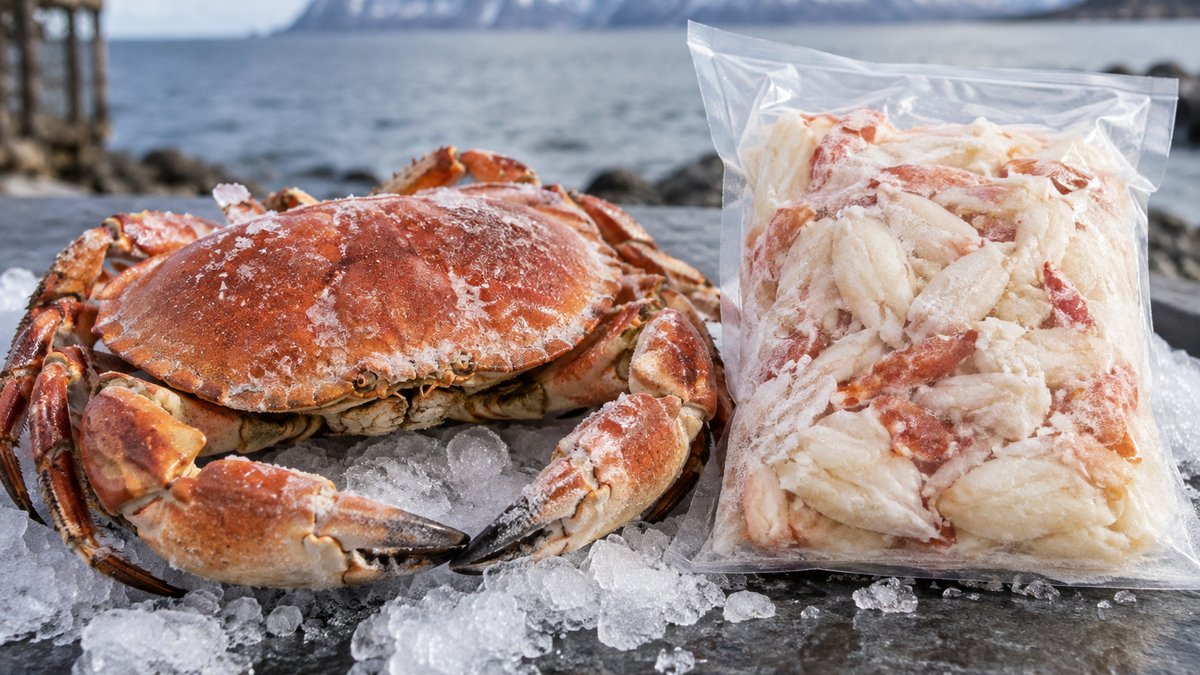
Frozen whole crab is supplied with the shell and body intact, while frozen crab meat has been removed from the shell and packed as meat. The first is sold by whole-crab weight; the second is sold by meat weight. Buyers comparing quotations need to account for the different usable yields and specify the crab species, cooking state, freezing method and pack format.
The terms describe product forms, not complete specifications. “Whole crab” alone does not say whether the crab is raw or cooked, whether it is intact or sectioned, or what species it is. “Crab meat” does not by itself identify the species, meat grade, cooking or pasteurization status, or whether the pack contains loose pieces, blocks or another format. Codex places crab among frozen fishery products, but that broad category does not provide the purchasing details for a particular shipment (FAO/WHO, General Standard for Food Additives, food category 09.2.1, updated through 2025).
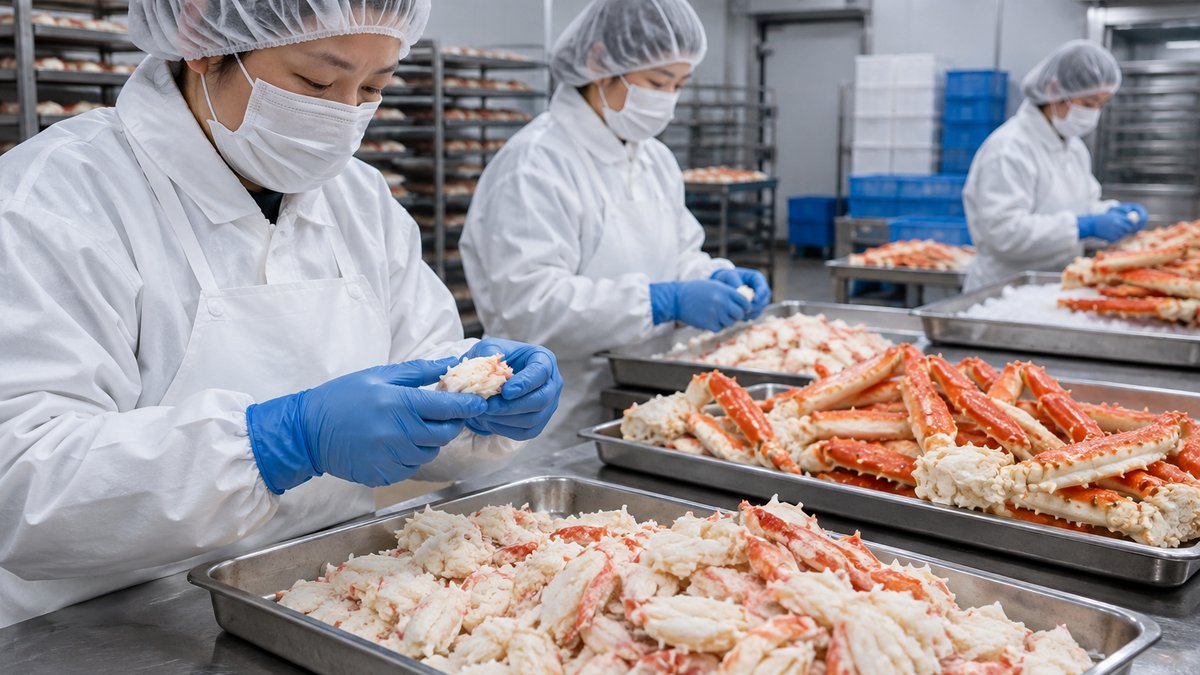
The processing route can differ too. The FAO/WHO Code of Practice for Fish and Fishery Products describes cooked-crab processing steps that include cooling, sectioning and meat extraction, as well as separate routes for frozen cooked crab and crab meat. Each extra handling step gives buyers more processing detail to check, especially when the product is ready to eat or will be repacked.
Frozen whole crab can suit a buyer whose customers want to see or handle the crab in its shell, or whose operation has staff and equipment to cook, pick or further process it. Frozen crab meat fits buyers who need shell-free meat for food preparation or manufacturing. The right choice depends on the intended use and the total usable product required, not on the product name alone.
There is no direct price comparison based on gross weight alone. A kilogram of whole crab includes shell and other parts that are not sold as picked meat. A kilogram of crab meat is a kilogram of extracted meat, subject to the product’s stated specification and any declared glaze. Compare cost per usable portion or per finished product only when species, grade, cooking state, packaging, delivery basis and other relevant specifications match.
2. Compare the product specifications before comparing quotations
The practical difference is how much preparation the buyer receives from the supplier. Whole crab retains the shell and requires the buyer to decide what processing happens after delivery. Crab meat has already gone through extraction, so the buyer should establish what was removed, how the meat was handled and how the pack is presented.
A table entry is a starting point for the inquiry, not a substitute for the supplier’s specification. Product names and commercial descriptions can leave important details unstated. Request the full product description and confirm that it matches the label, product specification and contract.
For whole crab, ask whether the shipment contains whole intact crabs or sections, and whether the product is raw or cooked. FAO’s code of practice describes prompt processing and immediate cooking, chilling or freezing for crab sections when live holding is not possible. The same code advises against freezing and storing uncooked whole crabs or crab parts because freezing and storage can impair flavour, texture and meat removal. Treat this as technical guidance for processing and product quality; confirm the actual product form and applicable destination rules with the supplier and relevant authority.
For crab meat, specify the species and the meat category or grade used by the supplier. Ask whether the product is cooked, pasteurized or otherwise treated, and whether it is packed loose, in a block or in another format. The FAO code separates cooked-crab processing from meat extraction and describes handling controls for crab meat. Buyers should request the supplier’s process description and food-safety documents appropriate to the product and destination, rather than assuming that all frozen crab meat is ready to eat.
Packaging and weight deserve attention for both forms. Ice glaze can protect frozen seafood from surface dehydration, but it is not product weight. For the United States, FDA guidance says glaze must not be included in the declared net weight. In the European Union, the Commission states that declared net weight for glazed food must exclude the glaze under Regulation (EU) No 1169/2011. State whether your comparison uses net product weight exclusive of glaze, and confirm the labeling rules for the destination market.
FDA’s 2025 surveillance assignment also examined declared net weight without glaze in imported frozen seafood packages. The assignment included one crab sample among 26 samples across several seafood types, so it is not a crab-market estimate. It does show why a buyer should define the weight basis and verify the shipment against its contract and destination requirements (FDA, Collection and Analysis of Imported Frozen Seafood for Economically Motivated Adulteration, 2026).
3. Two sourcing scenarios show why the product form changes the buying calculation
A restaurant buying crab for a shell-on presentation may request frozen cooked whole crab. The kitchen receives the crab in its shell and can serve it as supplied after thawing and any required preparation. Before requesting prices, the buyer should specify the crab species, size range or count, cooked state, whole or sectioned form, glazing, pack weight and required storage conditions. The buyer should also check how much edible meat each serving is expected to provide.
That restaurant should not compare a whole-crab quotation directly with a crab-meat quotation by price per kilogram. The whole-crab weight includes shell and other parts; the meat quotation covers extracted meat. If the menu is priced by edible portion, the buyer needs a species- and process-specific yield estimate from the supplier or its own trial. A general yield figure from another species or processing route may not represent the shipment being considered.
A food manufacturer preparing a crab filling may prefer frozen crab meat because shell removal has already taken place. The manufacturer can specify the meat category, piece size or texture if relevant, species, cooked or pasteurized state, pack format and net weight exclusive of glaze. It should also state whether the meat will be cooked again in the finished food, since that affects the specification and handling plan.
The manufacturer still needs to check more than the label. A buyer can ask for the ingredient declaration, processing and freezing details, lot identification, shelf-life information, storage instructions and relevant food-safety records. When purchasing cooked meat in reduced-oxygen packaging, the FDA’s seafood hazards guidance discusses specific controls because freezing may be the safety barrier during storage and distribution. Confirm that any such guidance applies to the exact packaging and process in the offer.
A distributor deciding between both forms should calculate the landed cost on a common basis. For whole crab, that may mean estimating the cost of the amount of whole product required to obtain the desired meat yield, plus labor and processing costs. For crab meat, it may mean comparing the delivered cost of the specified meat quantity, including losses from handling or preparation. Include freight, storage, packaging and any required inspection in the comparison.
These scenarios are illustrative. They do not establish a universal yield, cooking instruction or product preference. Actual performance depends on species, size, processing method and the buyer’s application.
Looking to Source Frozen Crab?
Connect with verified suppliers, discover matching products, and explore sourcing opportunities from global markets.
4. Choose whole crab for shell-on use and crab meat for shell-free applications
Choose frozen whole crab when the buyer needs the shell-on product for presentation, further processing or a customer specification that calls for whole crab. Choose frozen crab meat when the operation needs extracted meat and wants to avoid shell removal on site. Neither form is automatically cheaper or better; compare the cost and usable output for the planned application.
4.1 When frozen whole crab fits the order
Whole crab fits an order when shell-on appearance is part of the product, or when the buyer has a processing line designed for whole crab. The buyer can control how the crab is prepared after receipt, but that control comes with work: cooking if raw, sectioning or picking where needed, and managing the resulting yield. Confirm that the offered product’s raw or cooked state matches the buyer’s equipment, labor and food-safety plan.
Specify whether “whole” means intact crab or a particular form of sections. Include species, size or count basis, raw or cooked state, freezing method, packaging, glaze, declared net weight and storage temperature. Ask for photographs or a product specification showing the form, but verify contractual details in writing. If the crab is intended for direct sale, confirm that the label and product name comply with the destination market’s requirements.
4.2 When frozen crab meat fits the order
Crab meat fits an order when the buyer needs a shell-free ingredient for prepared foods, foodservice or retail packs. The supplier has carried out extraction, which can reduce the buyer’s processing work. The buyer must still define the meat’s composition and presentation, and decide whether a particular grade or piece size suits the recipe or customer expectation.
Specify species, grade or meat category, cooked or raw state, pasteurization status if applicable, pack format, package size and net weight exclusive of glaze. Ask how the supplier controls shell fragments and what inspection or testing documents accompany the lot. Confirm the storage and thawing instructions, particularly for cooked products and reduced-oxygen packs. Do not treat the words “crab meat” as proof of a particular species, grade or ready-to-eat status.
4.3 Compare both offers on the same commercial basis
For either form, request quotations using the same destination, delivery term, shipment timing and payment basis. Compare product net weight, not gross carton weight, and confirm whether a stated weight includes glaze. Ask for the species’ scientific or accepted market name, country of origin, lot traceability, processing state and packaging. Requirements differ by importing market, so verify applicable food-safety, labeling and establishment-approval rules before agreeing to shipment.
A buyer evaluating both forms can request a representative sample or production specification, then test the product in its intended recipe or service setting. Record the usable yield from whole crab and the usable quantity from meat after thawing and preparation. Use those results alongside the delivered price and labor cost. This makes the comparison relevant to the actual order instead of relying on a broad price-per-kilogram comparison.
5. Use official guidance and complete specifications to prepare the next inquiry
Buyers can use the FAO/WHO Code of Practice for Fish and Fishery Products to review crab-processing flow and handling considerations. The code is technical guidance, not a substitute for destination-country law or a buyer’s own hazard analysis. FDA guidance is relevant to shipments entering the United States, while European Commission guidance explains the EU rule for the net weight of glazed food. Check current requirements for the destination and exact product.
Before sending an inquiry, assemble the details that let suppliers quote the same item: frozen whole crab or crab meat, species, product state, size or grade, packaging, net weight basis, order quantity, destination port, delivery term and timing. Add required certificates or market approvals only after checking that they apply to the destination and product. If a requirement is undecided, identify it as open rather than leaving suppliers to guess.
Buyers and exporters can review Frozen Crab buying requests on Freshdi and Frozen Crab suppliers on Freshdi for relevant sourcing activity. Listings are a starting point for evaluation; confirm each product specification, business detail and commercial term directly through the appropriate process before committing to a transaction.
For whole crab, the central commercial check is how the shell-on product will be used and what yield the buyer can obtain. For crab meat, confirm the species, grade, treatment and net weight basis. Those details make quotations more comparable and reduce the risk of contracting for a product form that does not fit the operation.
References
1. FAO/WHO – Code of Practice for Fish and Fishery Products, Second Edition, 2012.
2. FAO/WHO Codex Alimentarius – General Standard for Food Additives, Food Category 09.2.1, 2025.
3. U.S. Food and Drug Administration – Collection and Analysis of Imported Frozen Seafood for Economically Motivated Adulteration, 2026.
4. U.S. Food and Drug Administration – Fish and Fishery Products Hazards and Controls Guidance, June 2022 Edition, 2022.
5. European Commission – FAQs on Certification: Net Weight on Health Certificates and CHEDs for Glazed Seafood, 2025.
Disclaimer: This article is compiled from platform data, public sources and information provided by third parties, for general informational purposes only. We do not guarantee its accuracy or completeness. Please conduct your own due diligence before making business decisions.