
1. How Green Coffee Beans Differ from Roasted Coffee Beans
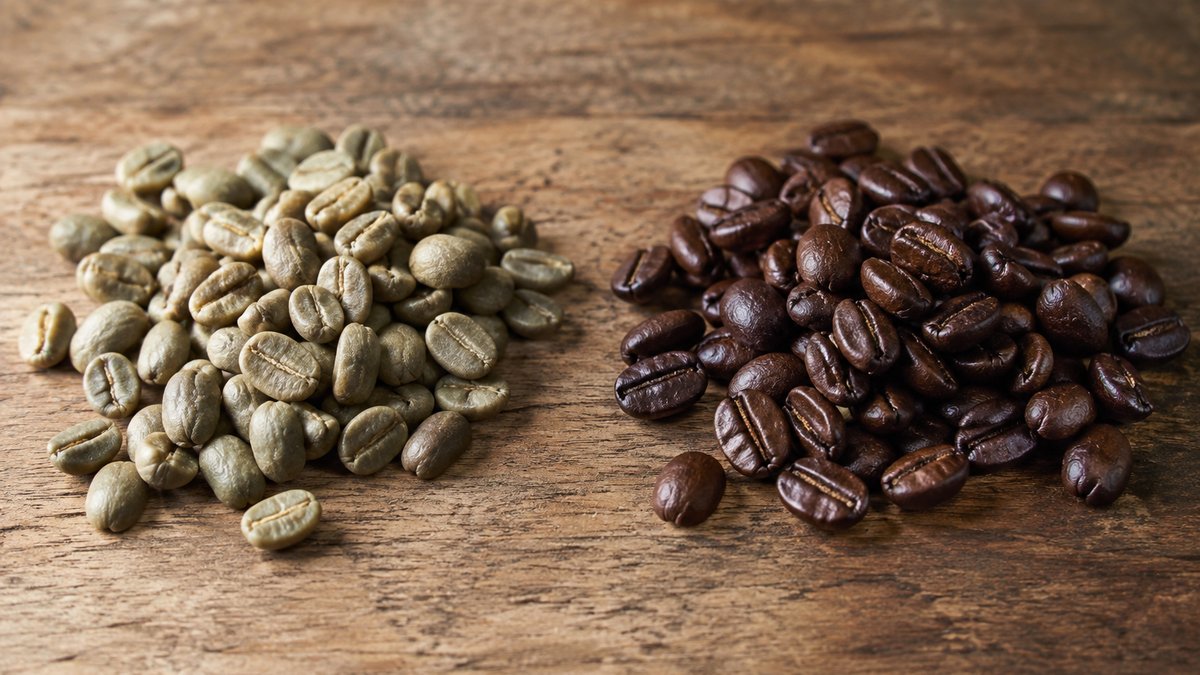
Green coffee beans are dried, processed coffee seeds that have not been roasted. Roasted coffee beans have been heat-processed to develop the flavor and aroma used for brewing. The International Coffee Organization (ICO) uses these terms to distinguish coffee forms by processing stage. For a B2B buyer, that stage affects the product’s remaining processing, storage needs, quality checks, packaging and commercial quotation.
Green coffee is generally bought by importers, roasters and manufacturers that plan to roast it themselves or have it roasted to their specification. Roasted beans are ready for grinding and brewing, so their buyer is more likely to be a distributor, retailer, foodservice business or brand that needs a finished coffee product. The two forms serve different points in the supply chain, even when they come from the same crop or lot.
The main procurement distinction is where the buyer wants production to happen. A green-coffee purchase leaves roasting, roast profiling and often retail packing to a later stage. A roasted-coffee purchase includes those steps before delivery, and the buyer must evaluate the roast and protect the finished product’s freshness. The form also changes what a fair comparison looks like: green coffee and roasted coffee are not equivalent goods priced on the same processing basis.
Neither form has one universal shelf-life period. Green coffee can lose quality during storage, especially when it takes on moisture, heat or unwanted odors. Roasted coffee begins losing volatile aroma compounds after roasting, and its condition depends on the roast, packaging and storage environment. Treat any stated shelf life as a supplier’s product-specific claim to check against the packaging, roast date, storage conditions and intended use.
For both forms, the contract should identify the coffee species and origin, the product form, the agreed quality specification and how the shipment will be assessed. Add processing method and crop or lot identification when relevant. A clear specification prevents a buyer from comparing a green-coffee grade with a roasted product description as though they refer to the same quality measure.
2. Green Coffee Beans vs Roasted Coffee Beans: Comparison Table
The purchase differences start with the work remaining after delivery. Green coffee requires roasting before brewing; roasted coffee needs suitable packaging and handling to preserve its post-roast condition.
The ICO range is part of a voluntary programme, not a universal legal limit for every coffee shipment. A contract may set a different specification, and specialty coffees with traditionally higher moisture can be identified separately. For incoming green lots, buyers should agree how sampling and moisture measurement will work before shipment or at receipt.
Green-coffee grading also needs context. ITC’s Coffee Guide describes country grading systems that use combinations of bean size, density, defects and cup characteristics. A grade name or screen size alone does not establish the full cup profile. Buyers should ask which national or contractual grading method applies and request the relevant sample or inspection details.
Roasted coffee needs a different quality description. State the roast level or agreed roast profile, whole bean or ground form, and sensory acceptance criteria. If shelf life is commercially important, record the roast date or production window, package format, and storage conditions. Roasted beans release carbon dioxide after roasting, while oxygen exposure can speed aroma loss; packaging design may therefore include a one-way valve and an oxygen barrier.
The packaging decision should match the product’s expected journey. For green coffee, the buyer should clarify bag material, liner or barrier requirements, palletization and protection against moisture during loading and transit. For roasted coffee, agree the bag structure, seal, valve where applicable, pack size and protection from light and oxygen. Request packaging specifications in the quotation so that offers can be compared on the same basis.
3. Example B2B Sourcing Situation
Consider an importer supplying a roasting business that wants control over its own roast profile. Green coffee is the relevant purchase form because roasting will take place after import. The buyer needs to agree the origin and lot identity, the applicable grade description, sample approval, moisture method, packaging and delivery basis before comparing quotations.
The importer should also consider the journey and storage conditions. ITC advises storing green coffee at cool temperatures and around 11% moisture on a wet basis, with relative humidity around 60% to 65%; those are storage recommendations in the guide, not a substitute for the buyer’s contract or applicable requirements. Coffee absorbs or releases moisture as surrounding humidity changes. A wet container, condensation or storage near strong odors can compromise the lot.
Before purchase, the importer can ask the supplier to identify the lot represented by the pre-shipment sample and explain how shipment samples will be drawn. The contract can state who measures moisture, when the measurement takes place and what procedure applies if the result differs from the agreed specification. These details help both parties assess the same lot against the same criteria.
A different buyer may supply cafés or retailers with finished beans under its own label. That buyer can source roasted coffee if the supplier can meet the specified roast, flavor profile, pack format and delivery schedule. Because aroma changes after roasting, the buyer should confirm the roast date, packing date, shelf-life basis and how the bags protect the product during transport and storage.
The quotation basis must match the product being purchased. ICE describes its Coffee C contract as a benchmark for exchange-grade green Arabica delivered under exchange rules. It is a reference for a particular exchange contract, not a direct quote for every green lot and not a benchmark for a finished roasted product. For either form, ask the seller to state the currency, unit, product specification, shipment basis and any applicable delivery or packaging charges.
When a green coffee offer refers to an exchange benchmark, ask how the seller’s differential is applied and what quality, origin and delivery specifications the offer covers. A benchmark reference alone does not establish the delivered price for an individual lot. For roasted coffee, request a quotation that separates or clearly includes the roasting, packaging and delivery elements, so the buyer can compare products with matching specifications.
MOQ is also a supplier and production question, not a fixed difference between green and roasted coffee. A green supplier may set a minimum based on an available lot or shipment arrangement. A roaster may set one based on batch size, packaging run or private-label requirements. Ask whether the MOQ is for one origin, one grade, one roast profile or one packaging format, and whether mixed lots or staged deliveries are possible.
For an illustrative inquiry, an importer seeking green beans could specify the species, origin, crop or lot reference, grade method, sample approval process, moisture test method, packaging, quantity, destination and requested delivery term. A buyer seeking roasted beans could specify origin or blend, roast profile, whole bean or grind, package size and material, valve requirement, production or roast date, shelf-life expectation, quantity and delivery details. These are starting points; the final specification should match the buyer’s own product and market.
Looking to Source Raw Green Coffee Beans?
Connect with verified suppliers, discover matching products, and explore sourcing opportunities from global markets.
4. When Should Buyers Choose Green or Roasted Coffee?
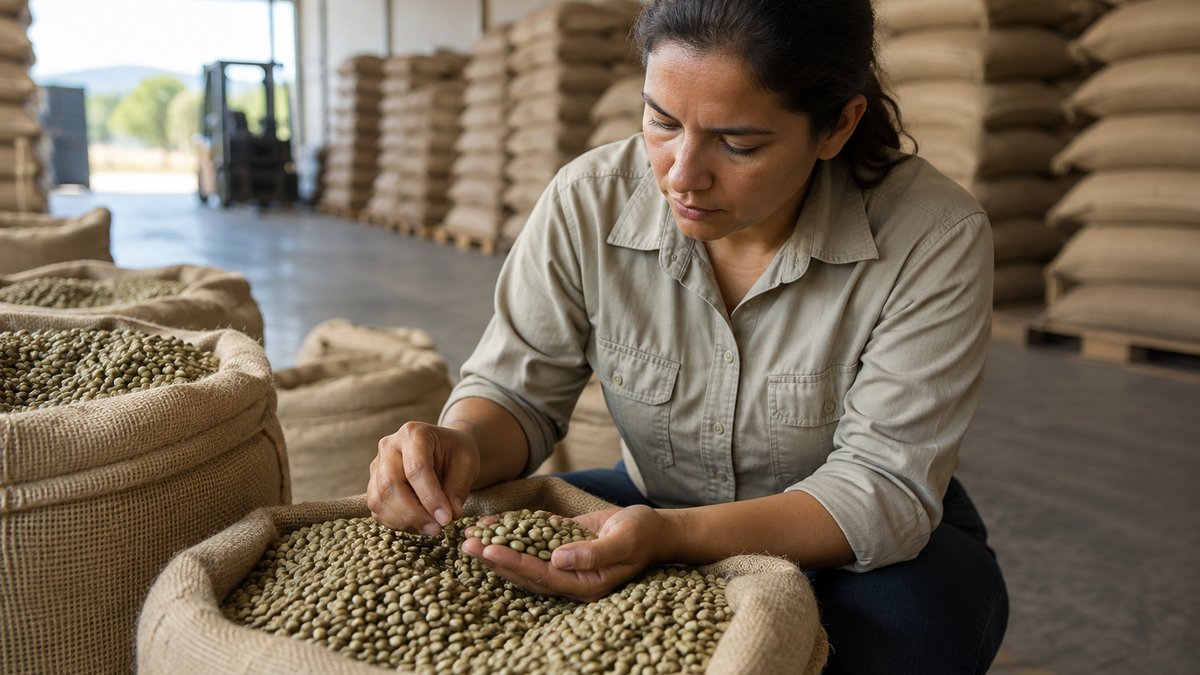
Choose green coffee when the buyer has roasting capacity or a contracted roaster and wants to control roast development after sourcing. That choice gives the buyer access to green lots for its own production decisions, but it also means the buyer must manage roasting, quality checks and finished-product packing. The buyer should assess green coffee by the agreed grade and sample, not by a finished roast description.
Green coffee also suits businesses that purchase for later roasting or blending. In that case, the contract should preserve lot identity and set out any permitted blending, defect tolerance or substitution. Buyers should check whether samples represent the shipment and agree how differences between the sample and delivered lot will be handled. Where moisture is a concern, the parties should name the test method and sampling point rather than relying on a general statement that the coffee is “dry.”
Choose roasted coffee when the buyer needs a ready-to-brew ingredient or finished product and does not want to roast after delivery. This can fit foodservice, retail or a private-label program, provided the supplier can meet the roast and packing requirements. Buyers should approve the roast profile and cup result, specify whether beans are whole or ground, and agree how production dates and shelf life will be shown.
Roasted coffee requires closer coordination between production and delivery timing. A shipment may travel and wait in storage after roasting, so the buyer should establish the acceptable interval from roasting to dispatch or receipt. Packaging should suit that schedule and the shipment route. The scientific literature describes aroma loss and carbon dioxide release after roasting, which is why packaging and storage conditions matter to the delivered product.
Compare prices only after putting the offers on the same basis. For green coffee, record the origin, species, grade or specification, lot, sample status, packing and trade term. For roasted coffee, add roast profile, whole or ground form, pack size, roast or production date and packaging. Compare price per equivalent net weight and account for delivery charges and the processing included. A higher roasted-coffee quote does not by itself show that the green input or roasting service is overpriced; the products include different work and specifications.
Check MOQ against your expected sales and production needs. A small order may be feasible for one supplier and unavailable from another, depending on the lot, roast batch or packaging run. Ask whether the minimum applies to the total order or each product variant. For roasted coffee, clarify whether changing the roast, blend or label creates a separate minimum. For green coffee, confirm whether a split lot retains its identity and whether the seller can provide the agreed sample and documentation for each portion.
Before signing, make the acceptance criteria measurable. For green coffee, name the grading basis, moisture method, sample procedure and defect or screen-size requirements that matter to the buyer. For roasted coffee, name the roast and sensory criteria, packaging specification, date coding and shelf-life conditions. For either form, define the inspection point and how the parties will resolve a result outside specification.
The buyer should also check whether the chosen format fits the destination market and the intended route to sale. Confirm any applicable import, food-safety, labeling and packaging rules with the relevant authorities for that destination and product. Those rules can depend on the product form and market, so a requirement for green coffee should not be assumed to apply unchanged to roasted coffee, or vice versa.
5. Related Resources for Coffee Buyers
The International Trade Centre’s Coffee Guide explains green-coffee storage, assessment and the differences among country grading systems. The ICO’s Coffee Quality-Improvement Programme sets out voluntary target standards for defects and moisture, while its glossary defines green and roasted coffee as separate product forms. ICE’s Coffee C specifications explain the narrower basis of the exchange-grade green Arabica benchmark. Use each source for its stated purpose; none replaces the buyer’s product specification or contract.
For a green-coffee inquiry, prepare the lot and grade details before requesting offers. For roasted coffee, prepare the roast, pack and freshness requirements. Buyers and sellers can also review coffee-related buying requests and supplier listings on Freshdi, then compare each listing with the actual specification they need: Coffee & Coffee Bean buying requests.
References
1. International Trade Centre – The Coffee Guide, Fourth Edition, 2021.
2. International Coffee Organization – Rules on Statistics: Certificates of Origin, ICC-102-9 Rev. 3, 2004.
3. International Coffee Organization – Glossary of Terms Used, n.d..
4. Intercontinental Exchange – Coffee C Futures: Contract Specifications, 2026, checked November 16.
5. Specialty Coffee Association – What Is the Shelf Life of Roasted Coffee? A Literature Review on Coffee Staling, 2012.
6. Food and Agriculture Organization of the United Nations – Coffee, n.d..
Disclaimer: This article is compiled from platform data, public sources and information provided by third parties, for general informational purposes only. We do not guarantee its accuracy or completeness. Please conduct your own due diligence before making business decisions.