
1. Green Tea and Black Tea Differ Mainly in Processing
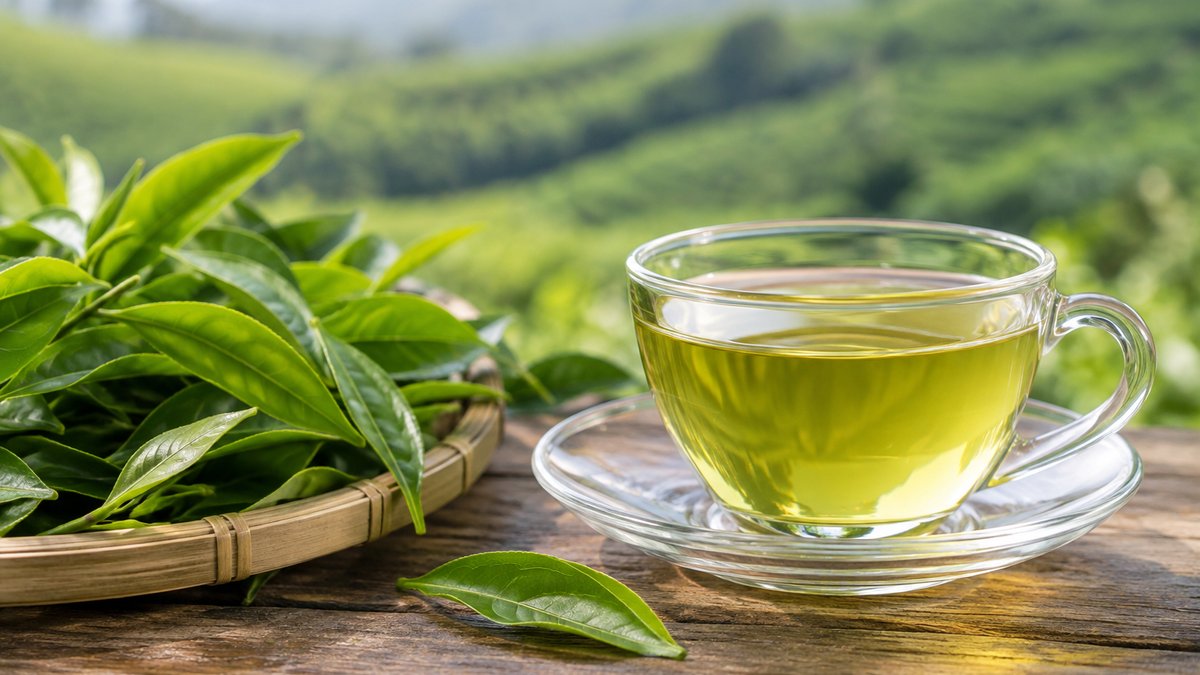
Green tea and black tea generally come from the same species, Camellia sinensis. Their main distinction is how fresh leaves are processed after plucking: green tea is heated early to inactivate enzymes, while black tea leaves are withered, macerated or rolled, exposed to air for oxidation, and then dried. ISO 20715:2023 defines the two types by these characteristic manufacturing steps.
The tea trade often calls black tea “fermented.” In this context, the term commonly refers to enzymatic oxidation of compounds in the leaf, not microbial fermentation. Green tea production limits that oxidation by applying heat early, often through steaming or pan firing. Shaping and drying follow; the specific method varies by style and origin.
Processing shapes the dry leaf and brewed liquor. Green teas often retain a greener, fresher profile, while black teas commonly produce a darker liquor and fuller flavor. Those are broad descriptions, not grade specifications: cultivar, growing conditions, leaf standard, factory method and storage also affect the finished tea. A buyer should approve a representative sample rather than purchase on the color name alone.
The distinction also affects what a supplier needs to identify in an offer. “Green tea” or “black tea” names the tea type, but does not by itself specify leaf size, harvest, origin, processing style, moisture, packaging or intended use. ISO 20715 describes tea types; buyers still need a product specification that fits the lot and the destination.
2. Green Tea vs Black Tea: Buyer Comparison
For sourcing, the practical difference is the processing route and the product characteristics the buyer needs to verify. The comparison below gives a starting point; a supplier’s specification and an approved sample should settle the details for a particular lot.
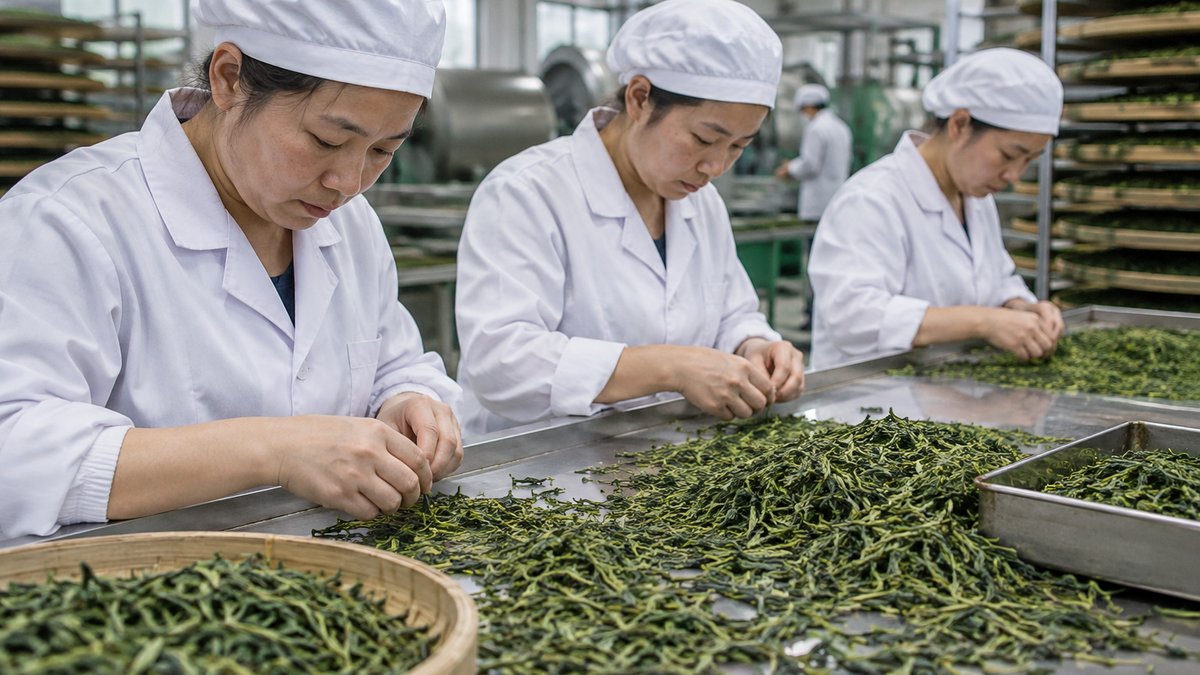
Leaf appearance and liquor color can help with an initial review, but neither proves origin, grade or quality on its own. Tea grades and naming conventions can vary between origins and suppliers. Ask the seller to state what its grade means for the offered lot, and compare samples prepared under the same brewing method.
Composition also changes with the source leaf and processing method. A 2024 peer-reviewed study of seven green tea types found differences in their nonvolatile chemical profiles across manufacturing methods. Buyers selecting tea for a branded blend, beverage base or other formulated product should therefore validate sensory and technical fit on the actual lot.
Buying consideration: Before comparing quotations, ask each supplier for the same product details: tea type, origin, grade definition, leaf form, harvest or lot identification, packing format, available quality data and sample terms. This makes the offers easier to compare without treating a category name as a complete specification.
3. How the Difference Appears in a Sourcing Scenario
Consider a tea blender assessing green and black teas for two different product briefs. One brief calls for a fresh-tasting tea as the principal ingredient; the other needs a darker, fuller tea base. The buyer should evaluate each tea against its own intended profile instead of assuming the two are interchangeable because both come from Camellia sinensis.
For the green tea brief, the buyer can ask the supplier to identify the origin and style, explain how the leaves were heated and shaped, and state the offered grade in that supplier’s terms. A sample review should check dry-leaf appearance, aroma and brewed taste. The buyer can then decide whether that lot suits the blend or finished product.
For the black tea brief, the buyer should request the same core information and add any processing or leaf-size detail that matters to the intended cup. A blend developer may need a brisk liquor; another buyer may prefer a smoother profile. The product name alone cannot tell the buyer whether the sample matches either requirement.
Both offers should be assessed on comparable commercial terms. Confirm the quoted unit and packing weight, minimum order quantity, available lot volume, delivery basis, lead time and destination requirements. When a claim such as origin, grade or certification affects the purchase, request the relevant supporting documents and check that they refer to the lot being offered.
Illustrative sourcing request:
Product: Green tea or black tea, with the required style stated
Origin and grade: State the requested origin and the supplier’s grade definition
Sample: Request a representative sample for sensory evaluation
Commercial details: State required packing, order quantity, destination and delivery basis
Supporting details: Request lot identification and any applicable quality documents
This is an illustrative request format. The final requirements depend on the buyer’s product, market and contract.
A controlled sample comparison helps separate tea-type differences from lot differences. Use the same water, leaf-to-water ratio, steeping time and serving conditions for both samples, and record the method. If the tea will be used in a blend or beverage formulation, also test it in that application; a favorable cup sample does not by itself confirm performance in a finished product.
Looking to Source Green Tea?
Connect with verified suppliers, discover matching products, and explore sourcing opportunities from global markets.
4. When Should Buyers Choose Green Tea or Black Tea?
Choose green tea when the product brief calls for a tea made with early enzyme inactivation and the sample’s profile fits the intended use. Choose black tea when the required profile and application suit tea produced through withering and oxidation. The decision should follow the buyer’s product brief and sample evaluation, not a general claim that one type is superior.
4.1 Choose green tea when the brief calls for its profile
Green tea can suit buyers seeking a product with the sensory characteristics of a less-oxidized tea. Confirm the processing style and sample carefully, because green teas are not a single uniform profile. A supplier’s description, sample and lot information should establish whether the tea fits the required blend or finished product.
If caffeine content is a purchase specification, do not infer it from the green-tea label. Oregon State University’s Linus Pauling Institute notes that tea caffeine levels vary with factors including the source tea and brewing conditions. Ask for an appropriate analytical result when a precise content claim is needed.
4.2 Choose black tea when the brief calls for its profile
Black tea can suit applications that call for its characteristic oxidized-tea profile. Buyers should still distinguish the desired cup strength, leaf form and style in the inquiry. One supplier’s black tea may not match another’s sensory profile or grade description, so compare samples before setting a purchase specification.
4.3 Compare alternatives when the application is still open
If the buyer has not settled on a tea type, evaluate green and black samples against the same product brief. Record aroma, liquor appearance, taste and performance in the intended recipe or beverage. Ask suppliers for the same commercial information, then compare the full landed offer rather than leaf appearance or price alone.
Storage and packing belong in that decision. Confirm the packaging material, net weight, protection from moisture and odors, lot identification and stated shelf-life conditions. Agree how the delivered lot will be checked against the approved sample and specification. These terms help buyer and supplier assess whether the tea offered matches what the buyer evaluated.
5. Related Tea Trade Resources
ISO 20715:2023 provides definitions for green and black tea based on their manufacturing processes. Washington State University Extension’s tea-processing guide describes practical processing steps, while the 2024 study on green tea manufacturing reports differences in chemical profiles across processing methods. These sources can help buyers frame technical questions, but a purchase specification still needs to describe the actual product and lot.
For a sourcing inquiry, keep the product name consistent and add origin, style, grade definition, leaf form, intended use, packing, quantity, destination and delivery basis. Where the buyer needs a specific cup profile or composition, state how it will be evaluated and request a representative sample or test report as appropriate.
Buyers can review Green Tea buying requests on Freshdi to see sourcing requirements listed for the product. Treat each listing as its own request and confirm the specification and commercial terms relevant to a proposed transaction.
References
1. International Organization for Standardization – ISO 20715:2023, Tea: Classification of tea types, 2023.
2. Washington State University Extension – Tea Types and Home Processing, 2023.
3. Food Chemistry: X – The manufacturing process provides green teas with differentiated nonvolatile profiles and influences the deterioration of flavor during storage at room temperature, 2024.
4. Oregon State University, Linus Pauling Institute – Tea, 2013.
Disclaimer: This article is compiled from platform data, public sources and information provided by third parties, for general informational purposes only. We do not guarantee its accuracy or completeness. Please conduct your own due diligence before making business decisions.