
Introduction
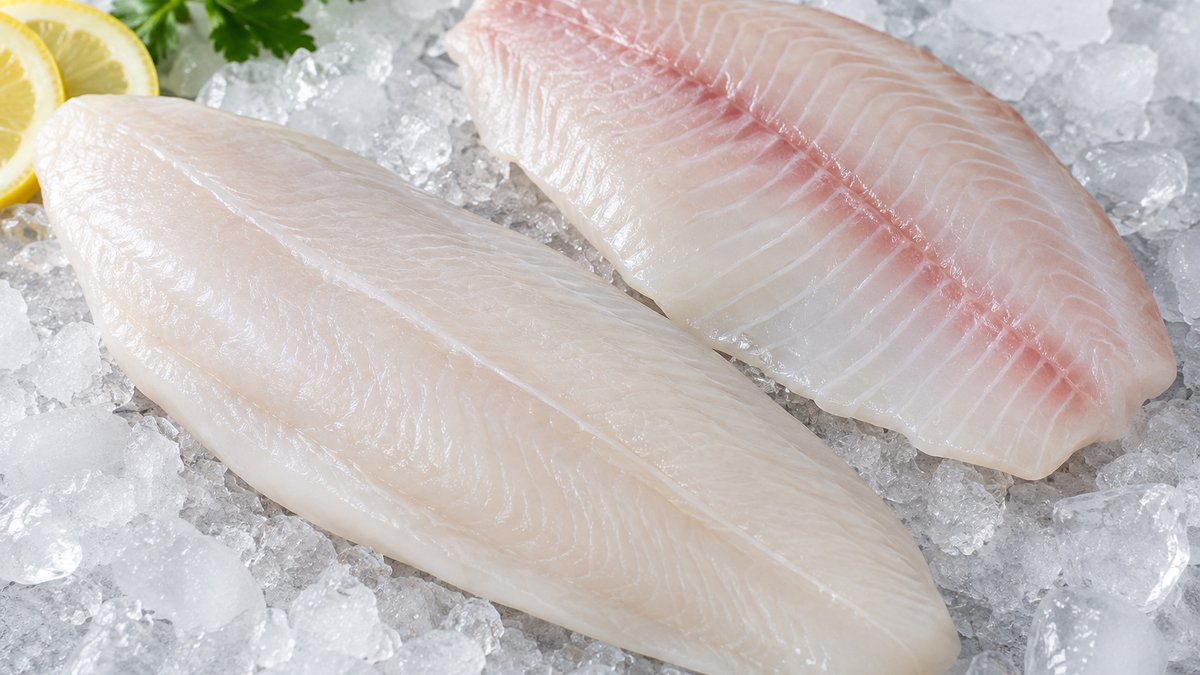
Pangasius fillet and tilapia fillet come from different fish groups, and their supply chains can differ by species and origin. Pangasius is often sold as a frozen fillet from Vietnamese production, while tilapia comes from several farmed species and producing countries.
For a buyer, the product name alone does not settle the comparison. Species, cut, size, processing, glazing, packaging, delivery terms and destination-market labeling determine whether two offers meet the same need.
1. How Pangasius Fillet and Tilapia Fillet Differ
Pangasius fillet and tilapia fillet are not interchangeable species names. Pangasius is a group of fish; striped pangasius, Pangasianodon hypophthalmus, is one commercially traded species. Tilapia also covers multiple species, with Nile tilapia, Oreochromis niloticus, widely cultured.
Trade data can give buyers context on supply without predicting which product suits a particular order. FAO GLOBEFISH reported that around 100 countries imported approximately 906,000 tonnes of frozen pangasius from Viet Nam in 2025. Frozen fillets made up 82.7% of that trade category. Those figures describe pangasius trade and do not establish tilapia availability or demand for a specific fillet specification.
Both products can be supplied as frozen fillets, but buyers should confirm the fish species behind the commercial name. In the United States, the FDA Seafood List gives market-name options for Pangasianodon hypophthalmus, including swai, sutchi, striped pangasius and tra. Names used for seafood labeling depend on the destination market; a name used in one country should not be assumed acceptable in another.
2. Compare Pangasius and Tilapia Offers by Specification
Compare the product each supplier will ship, not just the words “pangasius” or “tilapia.” Species identity and the sale specification establish whether offers are comparable.
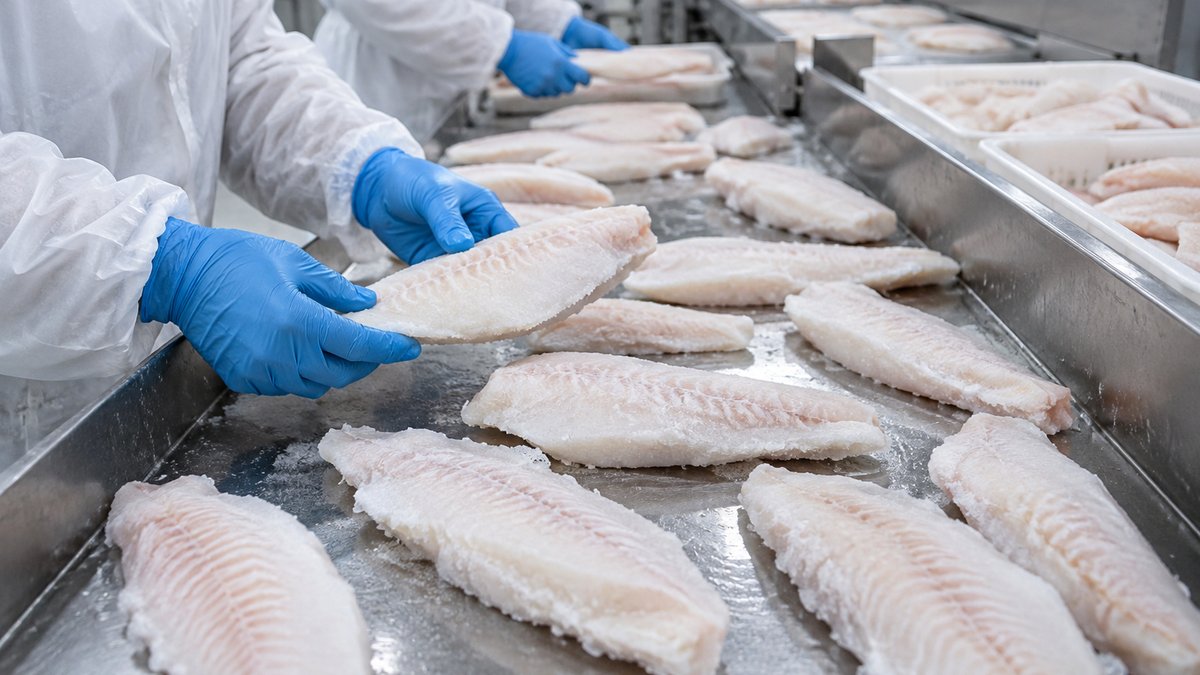
The Codex General Standard for Quick Frozen Fish Fillets describes inspection points for quick-frozen fillets, including net weight, dehydration, foreign matter, parasites, bones where applicable, odour and flesh abnormalities. It provides a useful reference for product discussions; buyers still need to check the importing country’s rules and the contract specification.
Neither species name specifies flesh color, flavor, texture, yield or cooking performance for every lot. Farming conditions, handling, freezing, thawing and processing can affect the delivered product. Buyers who depend on a particular result should put measurable requirements in the specification and assess a representative sample using their own preparation method.
Looking to Source Pangasius Fillet?
Connect with verified suppliers, discover matching products, and explore sourcing opportunities from global markets.
3. Example: Comparing Fillets for a Prepared-Food Order
A food manufacturer choosing between the two fillets should request matched offers for the same intended use. If one quote is for skinless fillets with a stated pin-bone limit and the other is for skin-on fillets with no bone specification, the quoted prices do not describe equivalent goods.
The buyer can first decide which species and origin meet its procurement plan, then ask both suppliers for the same cut, size basis, frozen condition and pack format. For a product that will be portioned or coated, the buyer can also specify the required fillet dimensions, trimming tolerance and any inspection or sample-approval procedure. Those requirements belong in the order specification because the species name does not set them.
Illustrative fillet inquiry:
Species: State the scientific name and accepted commercial name
Product: Frozen fillet; state skin and trimming requirements
Size: State the size range and how it is measured
Quality: State pin-bone, defect and inspection requirements
Packing: State glazing, net weight, inner pack and carton details
Delivery: State quantity, destination, delivery term and shipment timing
This is an illustrative inquiry format. The buyer’s actual product, quality and market requirements determine the final specification.
After reviewing written specifications, the buyer can test samples under the same thawing and cooking conditions. Record usable yield, portion size, appearance and performance in the finished recipe. This gives the procurement team a product-based comparison without assuming that one species always performs better.
4. When Should Buyers Choose Pangasius or Tilapia?
Choose the fillet that meets the required species, origin, processing, market and cost conditions for the finished product. A familiar name or a lower unit price alone does not show whether a shipment will meet the buyer’s requirements.
4.1 Choose pangasius when the supply specification fits
Pangasius may fit a purchase plan that calls for a named pangasius species and a supplier with the required origin, processing format and export documentation. Buyers sourcing Vietnamese frozen pangasius can use the trade figures as background on the category, then assess suppliers against the actual order: origin, species, plant documentation where required, product size, glaze, packaging and shipment schedule.
Write the species into the contract or product specification. “Pangasius fillet” may leave room for ambiguity when the buyer’s regulatory, labeling or customer requirements depend on species. Confirm the market name accepted at destination, especially when a product will be sold in consumer packaging.
4.2 Choose tilapia when the species and sourcing plan fit
Tilapia may suit a buyer whose sourcing plan calls for a specific tilapia species and an origin that its customers or procurement program accept. Since tilapia covers multiple cultured species, ask suppliers to identify the fish scientifically and state its country of production. If the product label or customer specification names Nile tilapia, the supplier should confirm that identity in the supporting product documents.
For either fish, compare the landed product on equivalent terms. Check whether the quoted weight includes glaze, whether the pack states net fish weight, and whether both quotations use the same delivery basis and destination. Confirm the agreed inspection method and acceptance criteria before shipment.
Buying consideration: Before placing an order, match the scientific species, origin, fillet cut, size, frozen condition, glaze and net-weight basis, packaging, destination labeling and delivery terms across the offers.
5. Related Pangasius Fillet Sourcing Resources
For a pangasius purchase, start with a product specification that names the species, processing details and destination requirements. Buyers can review Pangasius Fillet buying requests and Pangasius Fillet supplier listings on Freshdi as resources for the category. Confirm each listing’s current details and conduct your own checks before agreeing to a transaction.
For U.S.-bound product, consult the FDA Seafood List for species naming, and check the relevant national authority for other destinations. The Codex standard for quick-frozen fish fillets can help buyers frame quality discussions, while the contract and applicable destination rules determine the requirements for a shipment.
References
1. FAO GLOBEFISH – Brazil and CPTPP markets drive pangasius trade growth, 2026.
2. U.S. Food and Drug Administration – The Seafood List: Pangasianodon hypophthalmus, 2026.
3. Food and Agriculture Organization of the United Nations – Oreochromis niloticus: Cultured Aquatic Species Information Programme, 2009.
4. Codex Alimentarius – General Standard for Quick Frozen Fish Fillets, CXS 190-1995, 1995.
Disclaimer: This article is compiled from platform data, public sources and information provided by third parties, for general informational purposes only. We do not guarantee its accuracy or completeness. Please conduct your own due diligence before making business decisions.