
1. Virgin Coconut Oil and RBD Coconut Oil Differ by Processing
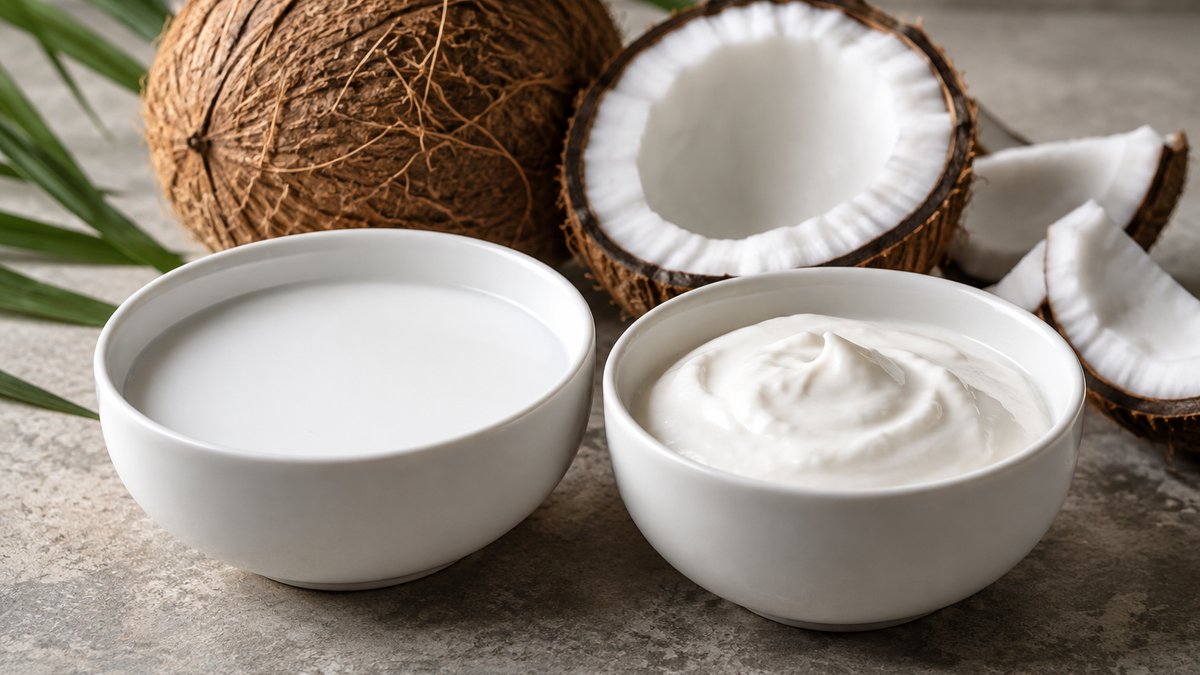
Virgin coconut oil (VCO) is made from fresh coconut kernel using mechanical or physical extraction, with or without heat, without chemical refining, bleaching or deodorizing. RBD means refined, bleached and deodorized. RBD coconut oil undergoes processing to reduce color, odor and flavor. The main distinction is the production route, which affects the oil’s sensory properties and the specification a buyer should request.
Codex defines virgin oils generally as edible vegetable oils obtained by mechanical procedures, with heat only, and permits purification by washing, settling, filtering or centrifuging. Codex’s standard for named vegetable oils defines coconut oil by its source, the coconut kernel. Buyers should treat these as international reference standards and check the importing market’s rules and labeling requirements for a specific shipment.
VCO is associated with a characteristic coconut aroma and taste because it is not deodorized. RBD processing removes much of the volatile material responsible for coconut odor and flavor, so RBD oil is usually neutral in sensory character. Color can also differ, though appearance alone cannot establish the oil’s identity or grade.
The name RBD describes refining steps; it does not, by itself, state the extraction method, the raw material’s condition, or every final quality parameter. The feedstock and refining route should therefore be confirmed in the product specification. Likewise, “virgin” does not tell a buyer the extraction method, moisture level, free fatty acid limit, packaging, or shelf life.
Neither term settles whether an oil meets a particular buyer’s quality or regulatory requirements. A purchase contract should connect the product name to measurable parameters, a test method, packaging, and delivery conditions. For a food shipment, the buyer and supplier should also confirm the applicable food-safety and labeling rules in the destination market.
2. How Do Virgin and RBD Coconut Oil Compare?
The practical difference lies in processing and the resulting sensory profile. Buyers can use the comparison to choose a starting product description, then add the technical limits needed for a purchase contract.

These are general descriptions, not a substitute for a supplier’s specification or laboratory results. Process conditions and product limits vary. Buyers should compare offers only when the named parameters, test methods, units and sampling basis match.
A product’s color or aroma can help with routine sensory checks, but these observations do not verify composition, authenticity, safety or compliance. For those questions, agree on relevant analytical methods and acceptance limits before shipment.
3. Example: Matching Coconut Oil to a Product Specification
Consider a food manufacturer developing two products. One recipe depends on a noticeable coconut aroma; another needs a neutral-tasting coconut oil. VCO may fit the first brief, while RBD may fit the second. The processing description gives the buyer a useful starting point, but the product’s intended performance still needs to be defined in the purchase specification.
Illustrative inquiry format:
Product: Virgin coconut oil or RBD coconut oil
Use: State the intended food application and required sensory profile
Quality limits: Specify agreed limits for moisture, free fatty acids, color, odor and taste
Verification: State the required test methods, certificate of analysis and sampling basis
Commercial details: Add quantity, packaging, destination, delivery term and requested shipment schedule
This is an illustrative inquiry format, not a universal specification. Buyers should set limits that match their product, destination rules and agreed test methods.
The buyer should avoid comparing a quotation for VCO with one for RBD solely by price per kilogram. The offers may describe oils with different processing, sensory characteristics and agreed limits. Compare them after confirming the specification, packaging, quantity, delivery basis and any included inspection or testing.
Before approving a shipment, the buyer can request a current specification sheet and a certificate of analysis linked to the relevant lot. The documents should identify the product and test results clearly. If sensory properties are important to the finished product, the contract can define an agreed sample or acceptance procedure.
Looking to Source Virgin Coconut Oil?
Connect with verified suppliers, discover matching products, and explore sourcing opportunities from global markets.
4. When Should Buyers Choose VCO or RBD Coconut Oil?
Choose VCO when the buyer’s product brief calls for coconut aroma or taste and the supplier can meet the agreed quality limits. Choose RBD when the brief calls for a more neutral sensory profile. The intended application, destination requirements and verified specification should decide the purchase, rather than the product name alone.
A manufacturer making a product where coconut character is part of the desired flavor may ask suppliers for VCO and assess an approved sample against its recipe. The buyer should specify whether the oil may be extracted with heat, which extraction methods are acceptable, and the limits for moisture and free fatty acids. These details help distinguish a production preference from a measurable acceptance criterion.
For a recipe that calls for a more neutral-tasting oil, RBD may be a better starting description. The buyer should still state the acceptable color, odor and taste, since “RBD” alone does not set a single universal grade. If the oil is intended for further manufacturing, the buyer can tell suppliers how the oil will be used and request confirmation that the proposed specification fits that process.
A buyer should also consider the supplier’s production route. Ask whether the oil comes from fresh kernel or dried copra, how it was extracted, and which refining steps were used. These questions are especially relevant when the contract needs to distinguish feedstock or processing requirements. Avoid assuming that every RBD oil shares one feedstock or that every VCO is produced by the same method.
For either product, write a complete specification before requesting comparable quotations. Include the product name, intended use, required sensory characteristics, analytical limits, test methods, quantity, packaging and destination. Identify the applicable regulatory and labeling requirements for the import market. If a certificate of analysis is required, state which parameters it must cover and whether results must relate to the shipment lot.
Storage and transport conditions also belong in the commercial discussion. Agree on suitable food-grade packaging, protection from contamination, labeling and handling instructions. Set the required shelf-life or remaining shelf-life at delivery where relevant, and confirm the basis used to calculate it. Suppliers should provide supporting product documentation rather than leaving these points to assumptions.
An exporter preparing an offer can reduce specification gaps by stating the oil type, production method where known, sensory profile, quality limits, available test documents, packaging and minimum order quantity. If a buyer’s requested parameter is outside the exporter’s routine specification, the exporter should identify the difference clearly before quoting. Both sides can then compare offers on the same product basis.
There is no universal rule that VCO is better than RBD, or that one is the right choice for every food business. VCO carries coconut sensory character; RBD is processed to reduce it. The contract must translate that difference into a clear application, measurable limits and agreed verification.
5. Related Resources for Coconut Oil Buyers and Sellers
For terminology, Codex CXS 19-1981 provides the general definition of virgin oils, while CXS 210-1999 covers named vegetable oils, including coconut oil. These standards are useful reference points; check the current rules and product scope that apply in the destination market. The Food and Agriculture Organization’s coconut processing material describes refining stages, and Oklahoma State University Extension summarizes the sensory distinction between VCO and RBD coconut oil.
When preparing an inquiry, buyers can use the product and quality fields above to describe what they need. Freshdi’s Virgin Coconut Oil supplier listings provide a place to find relevant suppliers; review each listing and confirm specifications and commercial terms for the transaction.

References
1. Codex Alimentarius Commission – Standard for Edible Fats and Oils Not Covered by Individual Standards (CXS 19-1981), 1999.
2. Codex Alimentarius Commission – Standard for Named Vegetable Oils (CXS 210-1999), 2024.
3. Food and Agriculture Organization of the United Nations – Coconut: Post-harvest Operations, 2013.
4. Oklahoma State University Extension – Is Coconut Oil Good for You?, 2022.
Disclaimer: This article is compiled from platform data, public sources and information provided by third parties, for general informational purposes only. We do not guarantee its accuracy or completeness. Please conduct your own due diligence before making business decisions.