
1. Hard wheat and soft wheat differ in kernel texture and processing performance
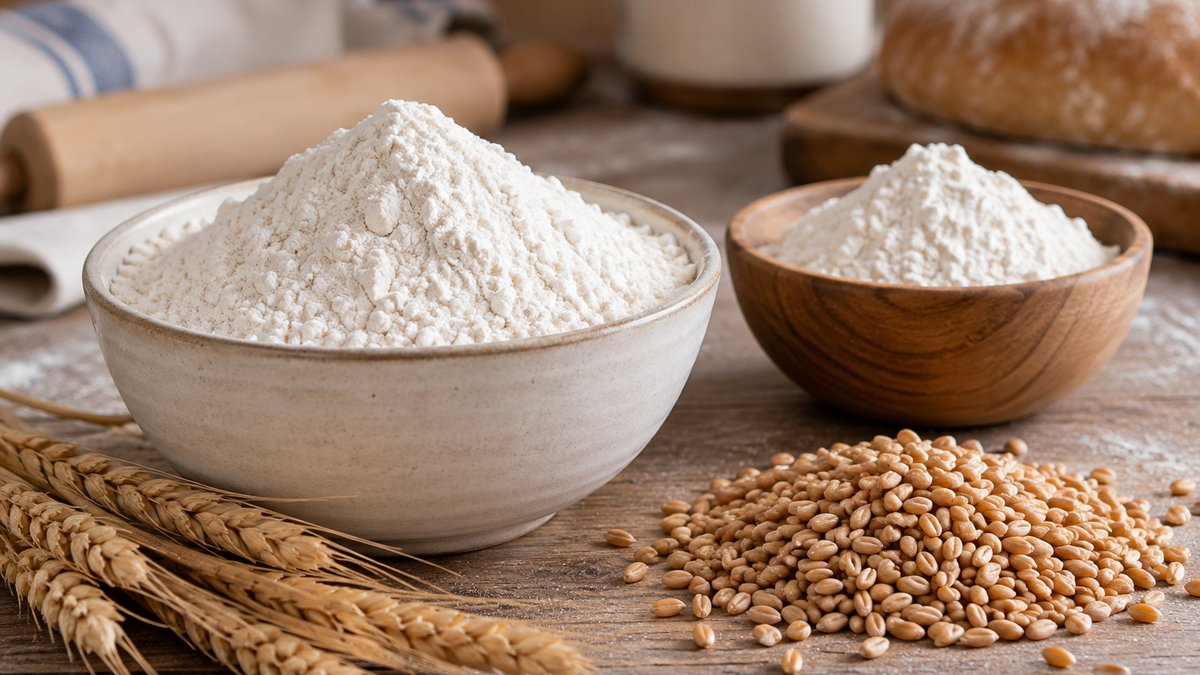
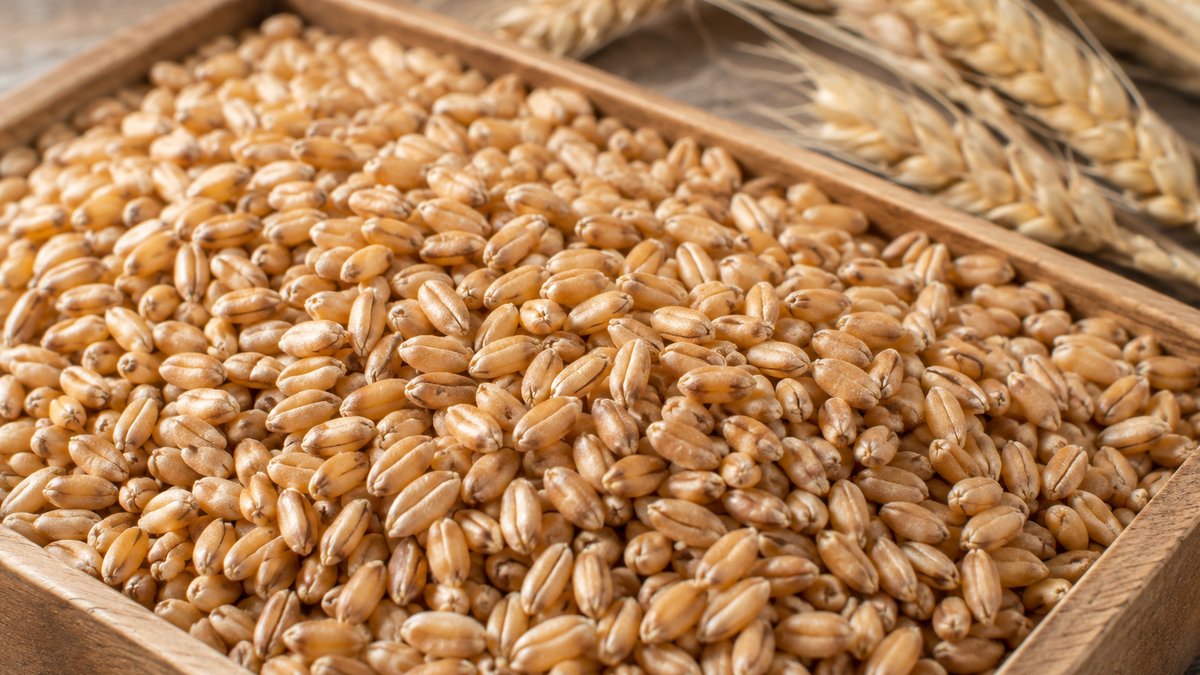
Hard wheat has a firmer kernel endosperm, while soft wheat has a more easily milled, softer endosperm. That difference affects flour particle size, starch damage and water absorption. Bakers often choose hard wheat for doughs that need strength and soft wheat for products that benefit from a tender, lower-protein flour.
The words “hard” and “soft” describe kernel texture; they do not, by themselves, state a wheat’s protein content, grade, color, growing season or exact end use. Protein and dough performance often differ between commercial classes, but buyers should check the offered lot’s specification and test results rather than treating kernel hardness as a protein guarantee.
For Canadian sourcing, class names give buyers more useful information than the broad labels alone. Canada Western Red Spring (CWRS) is a hard red spring class used for bread and other products. Canada Western Soft White Spring (CWSWS) is a soft white spring class used for cookies, cakes, pastry and some flatbreads, noodles and steamed breads. The Canadian Grain Commission groups varieties by functional characteristics, and its class descriptions identify differing end uses.
Hardness is also separate from the distinction between common wheat and durum. Durum is an especially hard wheat class used mainly to produce semolina for pasta. A request for “hard wheat” should therefore name the intended class and use, especially if a buyer is sourcing Canadian grain.
2. Compare hard and soft wheat by the specification the mill needs
The comparison below describes common milling and baking patterns, not a guarantee for every lot. Canadian wheat classes have their own characteristics and grade rules, and performance depends on the variety, crop conditions, storage and processing. Use the target product and the agreed test method to evaluate a shipment.

A useful technical distinction is that kernel hardness and protein are related to different aspects of flour performance. Hardness describes the texture of the endosperm. Protein quantity and quality affect dough development and strength. The University of Minnesota Extension notes that hard red spring wheat is commonly traded on a stated protein basis for high-protein bread flour, while low-protein soft wheat is commonly selected for cakes, cookies, crackers and pastries. Buyers should still confirm the offered lot’s actual test basis and result.
The Canadian Grain Commission’s class and grading materials also show why a class name is only one part of the purchase specification. Canada has several milling classes, including hard and soft types, and each class has its own grade determination. Grade describes assessed grain quality under the applicable grading system; it does not replace a buyer’s requirements for protein, flour functionality or processing performance.
3. A mill choosing wheat for bread and cake flour needs two different targets
Consider a Canadian mill planning a production run of pan bread and a separate run of cakes. For the bread line, the buyer may assess CWRS or another suitable hard class because its flour is associated with strong, extensible dough and high water absorption. For the cake line, the buyer may assess a soft class such as CWSWS because its lower-protein profile and milling behavior can suit cakes and pastry.
The buyer should not issue one request that simply says “Canadian hard wheat” and “Canadian soft wheat.” Those terms leave open the class, grade, protein target, moisture basis, crop year, shipment quantity and tests that will determine whether the grain fits the mill’s process. A clear request also lets suppliers identify whether they can provide the requested class and supporting quality information.
Illustrative inquiry format:
Product: Canadian wheat, named class required for the intended flour
Use: Pan bread flour or cake flour
Quality details: Grade, protein target and reporting basis, moisture limit, and agreed test results
Commercial details: Quantity, shipment period, packaging or bulk shipment, destination, and delivery term
This format is illustrative. Set the class, limits and tests from the mill’s actual recipe and operating requirements.
For the bread order, the mill can compare flour absorption and dough strength against its line requirements, not just the grain’s protein figure. For the cake order, it can check whether the soft wheat’s flour produces the required texture and volume. If the mill buys grain for its own milling operation, it should agree on grain tests and milling or baking tests with the supplier; if it buys flour, it should specify flour functionality and intended use directly.
If the mill plans to blend wheat, it should validate the blend with representative samples before contracting for a large shipment. A high-protein or strong-wheat component can be used to adjust a blend, but the right proportion depends on the actual lots, milling setup and finished product. A class label alone cannot predict the performance of a blend.
Looking to Source Wheat?
Connect with verified suppliers, discover matching products, and explore sourcing opportunities from global markets.
4. Choose the wheat class that fits the finished product and mill process
Choose hard wheat when the mill needs flour for yeast-raised products that depend on dough strength, or when a blend requires stronger wheat characteristics. For Canadian buyers, CWRS is a relevant class to evaluate for pan bread and other bread applications. Canada Western Extra Strong (CWES) is another class intended for blending and specialty products that need extra gluten strength, according to Canadian Grain Commission class information.
Choose soft wheat when the finished product calls for softer flour behavior, such as cakes, cookies, crackers or pastry. CWSWS is a Canadian soft white spring class with these stated uses. Canadian Eastern Soft Red Winter (CESRW) is another soft class; the Commission describes it as low in protein and suitable for cakes, pastry, cereal, crackers, biscuits and filling. Which class is suitable depends on the buyer’s exact product and process.
Some applications do not fit a simple hard-versus-soft rule. Canadian class descriptions include soft wheat uses for flatbreads, noodles and steamed breads, alongside traditional cake and pastry applications. A buyer making noodles or flatbreads should therefore compare the classes identified for that use, rather than assuming all such products require hard wheat. The mill’s recipe, flour characteristics and production equipment determine the best match.
Before requesting quotations, buyers should decide which specification controls acceptance. Depending on whether the purchase is grain or flour, that may include class and grade, protein content and its moisture basis, moisture, test weight, falling number, flour yield, absorption or a product-specific baking test. Not every test is a statutory grading factor. Agree on the test method, sampling procedure, acceptable limits and the consequences of a result outside specification in the contract.
Compare offers only after confirming they refer to comparable classes, grades, protein bases, shipment forms and delivery terms. If one supplier quotes a named Canadian hard class and another quotes unspecified “wheat,” the offers do not describe equivalent products. Ask the second supplier to identify the class and provide the same quality information before comparing commercial terms.
5. Use Canadian class information and supplier listings to prepare a request
The Canadian Grain Commission’s wheat-class pages and Official Grain Grading Guide are useful starting points for checking class names, described end uses and grade determination. The guide is updated for the applicable crop year; its current web edition is effective August 1, 2026. Buyers should check the version that applies to the shipment and confirm contract-specific testing with their supplier.
For independent quality checks, the Commission describes wheat testing methods including protein, moisture, test weight and functional tests. The method should match the decision being made: a grade result answers a different question from a baking test, and a protein result alone does not establish flour performance.
Freshdi has Wheat buying requests and Wheat supplier listings for buyers and exporters exploring wheat trade. Treat listings as a starting point for sourcing conversations. Confirm the wheat class, crop and grade, quality documents, availability and agreed commercial terms directly through the transaction process.
References
1. Canadian Grain Commission – Canadian wheat classes, 2026.
2. Canadian Grain Commission – Official Grain Grading Guide, Chapter 4: Wheat, 2026-08-01.
3. Canadian Grain Commission – Methods and tests used by the Canadian Grain Commission to measure the quality of wheat, 2026.
4. USDA Economic Research Service – Market and Farm Policy Outlook 2026: Wheat Backgrounder, 2026.
5. USDA Agricultural Research Service – Flours produced from soft textured kernels possess lower levels of starch damage; have lower water absorption, and smaller particle size distributions than hard wheat flours, 2019.
6. University of Minnesota Extension – Understanding grain quality, n.d..
Disclaimer: This article is compiled from platform data, public sources and information provided by third parties, for general informational purposes only. We do not guarantee its accuracy or completeness. Please conduct your own due diligence before making business decisions.