
1. Hass and Fuerte differ most in skin, maturity and appearance
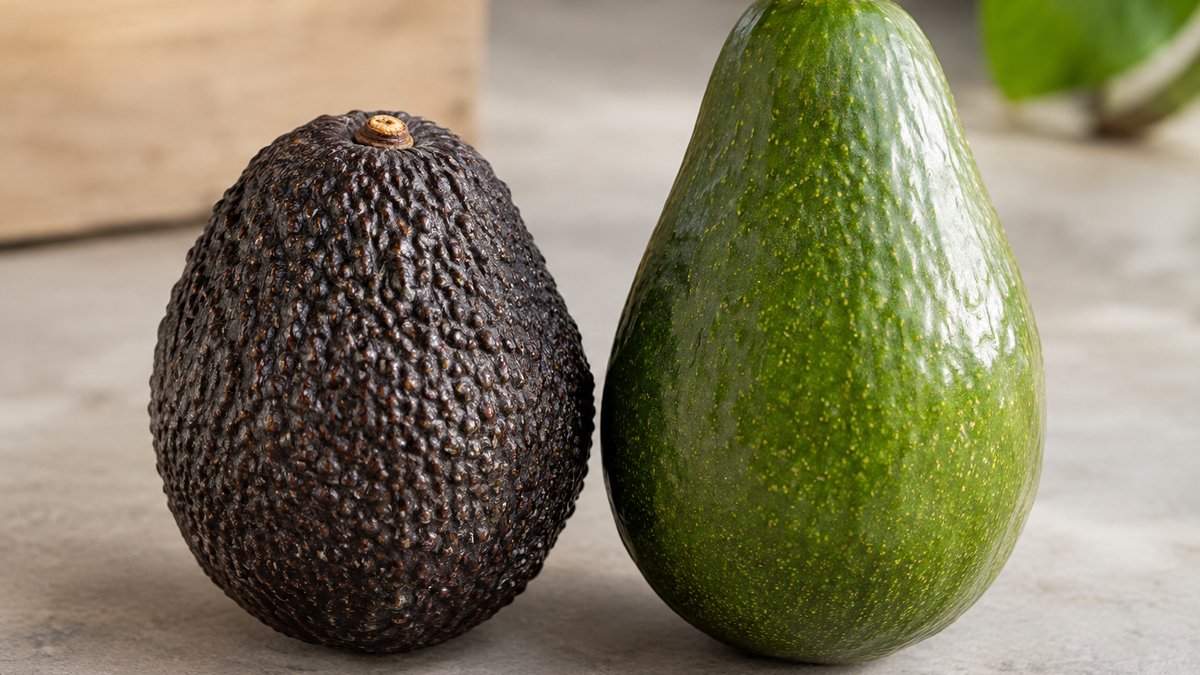
Hass has pebbled skin that darkens as the fruit ripens; Fuerte has smoother, thinner green skin that generally stays green. For importers, that makes appearance a useful first clue, but it does not replace a written cultivar specification. Both varieties are sold at overlapping sizes, and each lot’s maturity, condition and handling affect how it performs after arrival.
Fruit weight ranges overlap. The University of California, Riverside Avocado Variety Collection lists Hass at an average 6 to 14 ounces, while the California Avocado Commission’s foodservice guide describes Fuerte as medium to large, around 5 to 14 ounces. These are variety descriptions, not a guaranteed range for every growing region or export lot. A buyer ordering a particular size should state the sizing basis and accepted weight range instead of relying on the cultivar name.
Oil content needs similar care. Dry matter is commonly used as a maturity index because it correlates with oil content, but dry matter is not itself a direct oil-content measurement. In California, the listed minimum dry-matter standards are 20.8% for Hass and 19.0% for Fuerte. Those are jurisdiction-specific harvest-maturity thresholds, not universal export rules or a promise about the oil content of a shipment. Growing conditions, harvest timing and the test method all matter when interpreting a result.
Neither variety ripens on the tree. After harvest, both soften as they ripen. Hass commonly changes from green to dark or black, while Fuerte typically remains green, so a color check alone can mislead buyers receiving Fuerte. Use firmness and an agreed maturity or ripeness protocol when inspecting the lot. This comparison was checked on November 16, 2026; maturity rules and destination-market requirements should be confirmed for the actual origin and market.
2. Compare the varieties against the shipment specification
A cultivar name describes a variety, not a complete commercial specification. Buyers should compare the fruit’s physical traits alongside maturity, sizing, packing and handling terms. The distinctions below are general descriptions; characteristics can vary with growing conditions, harvest stage and postharvest treatment.
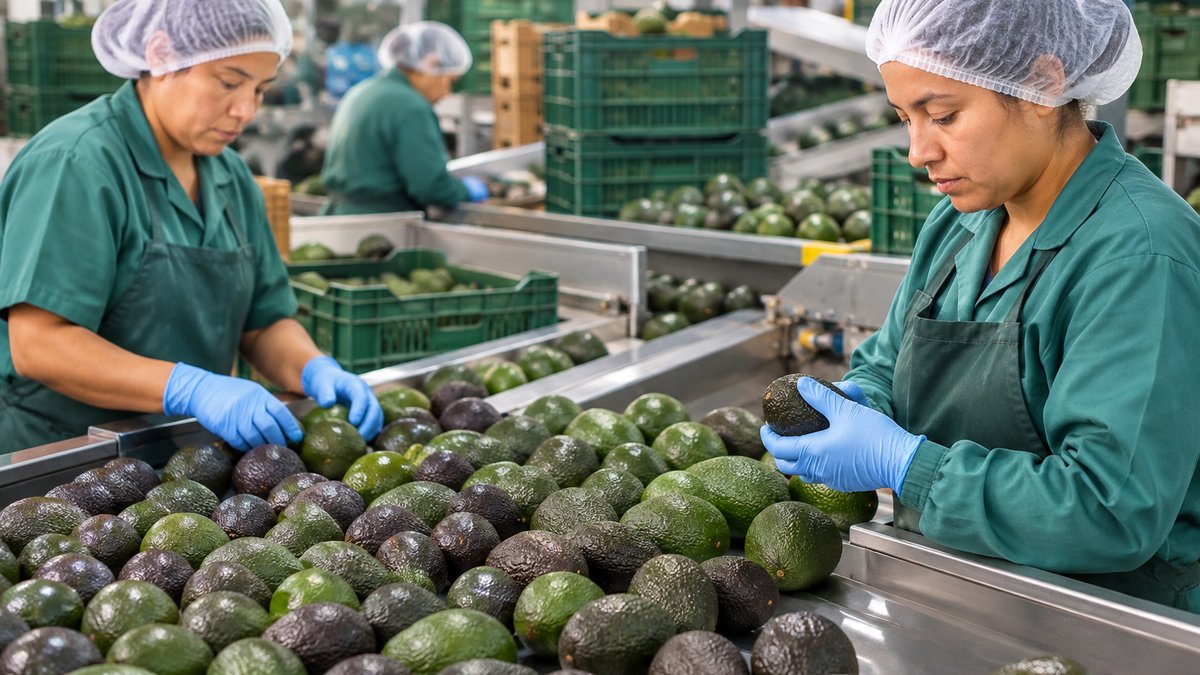
The UNECE Standard for Avocados, FFV-42, allows size to be determined by fruit weight or count. The applicable sizing reference and any market-specific rules should be agreed in the contract. A count per carton is meaningful only when the carton’s net fruit weight and the buyer’s size basis are also clear.
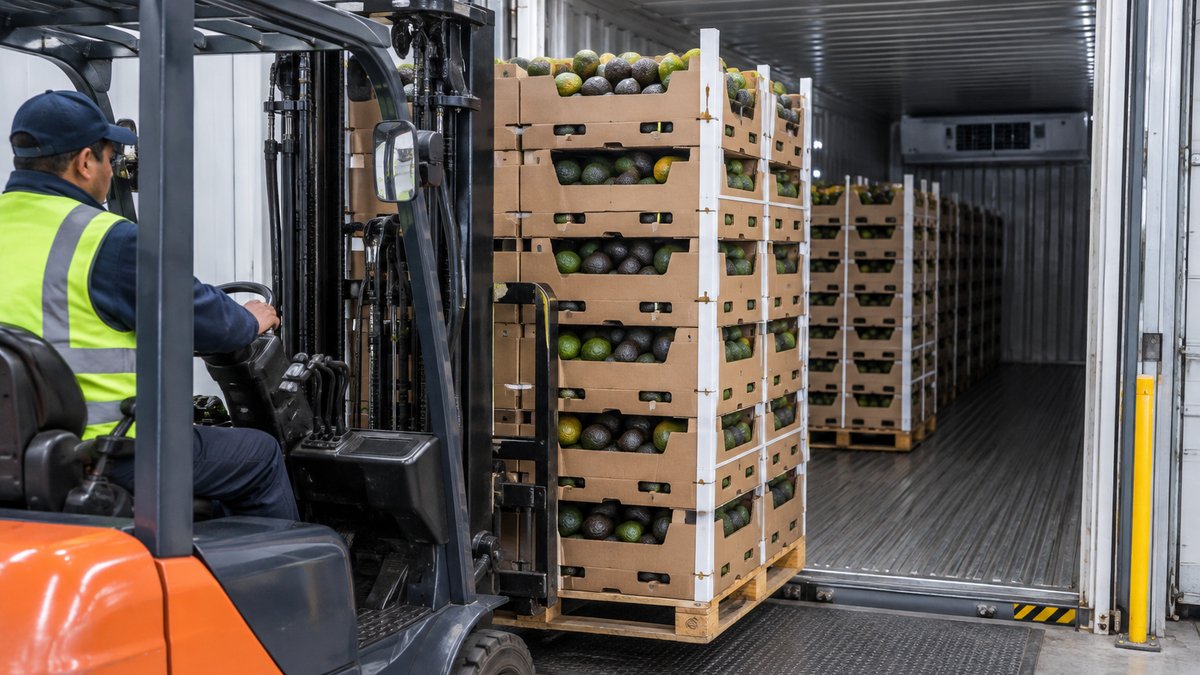
For example, a 4 kg carton is used in European avocado trade, according to the Centre for the Promotion of Imports from Developing Countries. That does not make 4 kg a universal carton size. Specify net fruit weight separately from gross carton weight, then state the count or size code and the tolerance. Avoid assuming a size code means the same thing in every market or packing system.
Shelf life cannot be assigned from the variety name alone. UC Davis Postharvest Research and Extension Center gives a mature-green storage range of 5 to 13°C depending on cultivar and storage duration, and 2 to 4°C for ripe fruit. These are broad handling guidance ranges, not a shipment-specific shelf-life guarantee or a single set point for every route. Temperature history, maturity, relative humidity, atmosphere, ethylene exposure and handling damage affect the result.
The same UC Davis guidance warns that prolonged exposure to very low temperatures can cause chilling injury, with symptoms such as pitting, scalding or internal browning. Importers should agree a temperature range and maximum transit duration with the packer or technical team, then monitor the shipment with temperature records. Controlled-atmosphere storage can delay softening under appropriate conditions, but the atmosphere and temperature must be validated for the fruit and route.
For a comparable quotation, request the cultivar, country and region of origin, harvest or packing date, maturity measurement and test method, size basis, count per carton, net weight, grade, packaging, storage set point and expected transit duration. Ask the supplier to identify any agreed tolerance for size and defects. This gives both sides a measurable basis for inspection if the fruit arrives outside the contract specification.
3. A shipment scenario shows why cultivar is only one part of the order
Consider an importer buying mature-green fruit for a distribution program that will ripen avocados after arrival. A Hass lot may offer the familiar darkening cue during ripening, while a Fuerte lot can remain green when ready to eat. If the receiving team uses color as its sole ripeness check, it may misjudge Fuerte and delay dispatch or handling decisions.
The importer should ask the packer to identify the cultivar on the documents and cartons, confirm the agreed maturity test, and provide a target firmness or ripeness protocol for receiving. The buyer should also arrange a sample assessment before the first commercial shipment when the destination team has limited experience with the variety. A test shipment can establish how the fruit behaves on that route; it cannot establish a universal shelf life for later lots.
Suppose the buyer requests a 4 kg net carton. The order still needs a size basis, such as a count per carton or a weight band for individual fruit, plus an agreed tolerance. The packing list should make clear whether the stated weight is net fruit or gross carton weight. If the seller quotes a count without stating the net carton weight or sizing reference, the buyer cannot reliably compare that offer with a differently packed lot.
The cold-chain instruction should match the fruit’s maturity at loading and the planned time in transit and storage. UC Davis guidance places mature-green avocados within a broad 5 to 13°C range depending on cultivar and duration, while ripe fruit has a different recommended range. The importer and supplier should agree a practical set point for the shipment, use temperature monitoring, and avoid treating either range as permission to expose fruit to a temperature without limit.
If the buyer plans to ripen fruit after arrival, the receiving and ripening teams need the expected arrival condition, handling plan and ripening target before dispatch. If fruit will be sold mature-green, the contract should instead establish the expected firmness and the handling conditions that preserve it. These are different supply programs even when both orders name Hass or Fuerte.
This scenario is illustrative, not a universal packing or ripening instruction. Actual requirements depend on origin, destination rules, the supplier’s validated handling program and the importer’s distribution schedule. Use a written product specification and route-specific handling plan rather than relying on a cultivar label to settle these details.
Looking to Source Fresh Avocado?
Connect with verified suppliers, discover matching products, and explore sourcing opportunities from global markets.
4. Choose Hass or Fuerte by the buyer’s market and handling plan
Choose Hass when the buyer’s market specifies Hass, values its characteristic pebbled skin and darkening during ripening, or uses established Hass sizing and packing programs. Confirm that the particular lot meets the buyer’s required size, maturity and quality limits. Familiarity with the variety does not guarantee uniform performance across origins or seasons.
Choose Fuerte when the buyer specifically wants a green-skinned avocado or a pear-shaped fruit with the Fuerte characteristics described in the order. The California Avocado Commission describes Fuerte as easy to peel and says its skin remains green as the fruit ripens. Buyers should ensure receiving staff know that color change is not the expected maturity signal for this variety.
Do not decide based on a general claim that one variety is larger or has more oil. Published size ranges overlap, and reported oil or dry-matter values depend on the measurement, origin and maturity stage. If oil yield or eating quality determines the purchase, specify the required test and basis, and request results for the offered lot. If fruit size determines the pack, agree count or weight limits and tolerance instead of using the cultivar as a proxy.
Shelf life is also a shipment question, not a simple cultivar ranking. The sources reviewed do not establish one universal number of storage days that applies to both varieties across origins and routes. Ask for the supplier’s validated storage conditions and supporting records for the relevant maturity stage. Consider transit duration, temperature variation, relative humidity, atmosphere and the time the importer needs for ripening and distribution.
Before signing, align the product name and cultivar, country of origin, class or grade, maturity requirement, size basis, carton net weight, count or size code, packaging, acceptable defects, storage temperature, transit duration and inspection method. State which party measures maturity and how a disagreement will be resolved. For requirements that depend on the destination, confirm the current market rule with the relevant authority or qualified trade specialist.
- Name Hass or Fuerte explicitly and state the country and region of origin.
- Define maturity using the buyer’s chosen test, method and acceptance threshold.
- Set the sizing system, count or weight range, carton net weight and tolerance.
- Specify grade, packaging, labeling and permitted defects.
- Agree the storage temperature range, transit duration and temperature-monitoring procedure.
- Define receiving inspection and the evidence needed to resolve a quality claim.
When comparing offers, put the specifications side by side and check that the maturity, size, carton basis and delivery conditions match. A lower price per carton may reflect a different count, net weight, maturity stage or delivery arrangement. Compare only offers that use the same basis, or identify the differences before evaluating the commercial terms.
5. Use related resources to verify specifications and sourcing options
The UNECE avocado standard provides an international reference for quality and sizing, while the California maturity thresholds apply within their stated jurisdiction. UC Davis postharvest guidance helps frame storage questions, but buyers still need a handling plan validated for their cultivar, origin and route. The references below were checked on November 16, 2026.
Importers comparing commercial availability can review Fresh Avocado buying requests and supplier listings on Freshdi. Check each listing against the required cultivar, maturity, sizing and delivery specification before treating it as a match.
Once the required cultivar, size and handling conditions are defined, buyers can compare suppliers listing Fresh Avocado.
View Related Suppliers for This Product →
References
1. University of California, Davis, Postharvest Research and Extension Center – Avocado, n.d.; checked November 16, 2026.
2. University of California, Riverside, Avocado Variety Collection – Minimum Maturity Standard, n.d.; checked November 16, 2026.
3. University of California, Riverside, Avocado Variety Collection – Variety List, n.d.; checked November 16, 2026.
4. California Avocado Commission – Cultivation of an Avocado, Foodservice Culinary Education Module, Lesson 2, 2020.
5. United Nations Economic Commission for Europe – UNECE Standard FFV-42 concerning the marketing and commercial quality control of avocados, 2023.
6. Centre for the Promotion of Imports from Developing Countries – Entering the European market for avocados, 2026; checked November 16, 2026.
Disclaimer: This article is compiled from platform data, public sources and information provided by third parties, for general informational purposes only. We do not guarantee its accuracy or completeness. Please conduct your own due diligence before making business decisions.