
1. In-Shell Hazelnuts and Kernels Differ at the Point of Sale
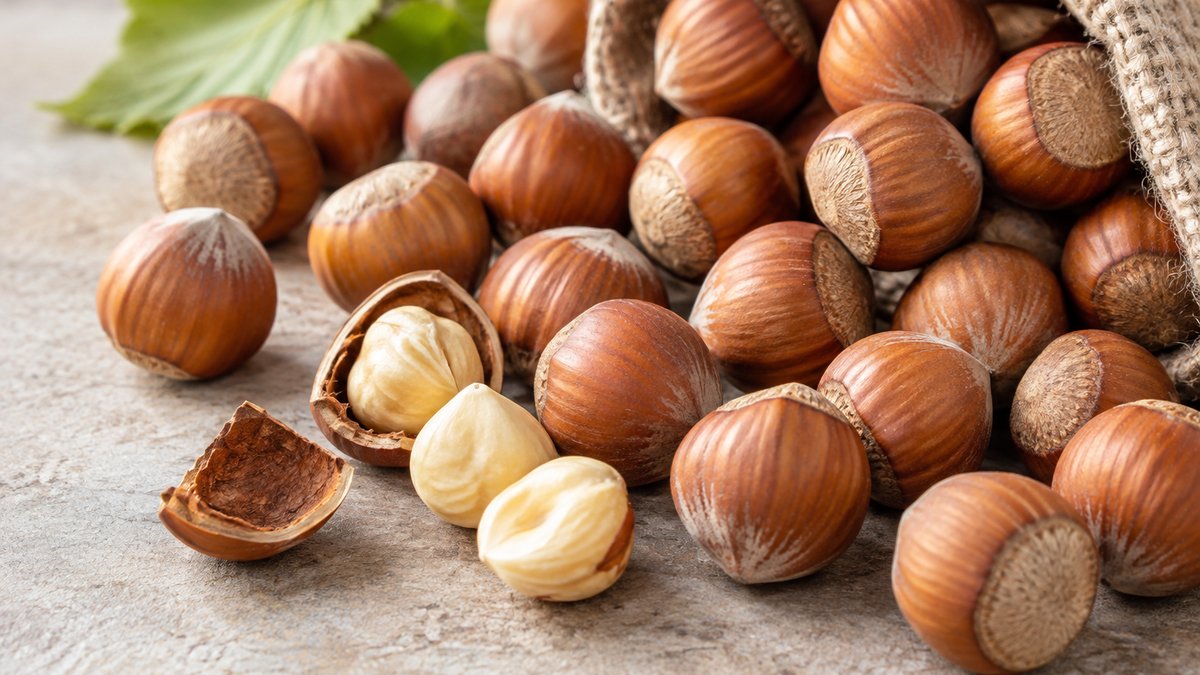
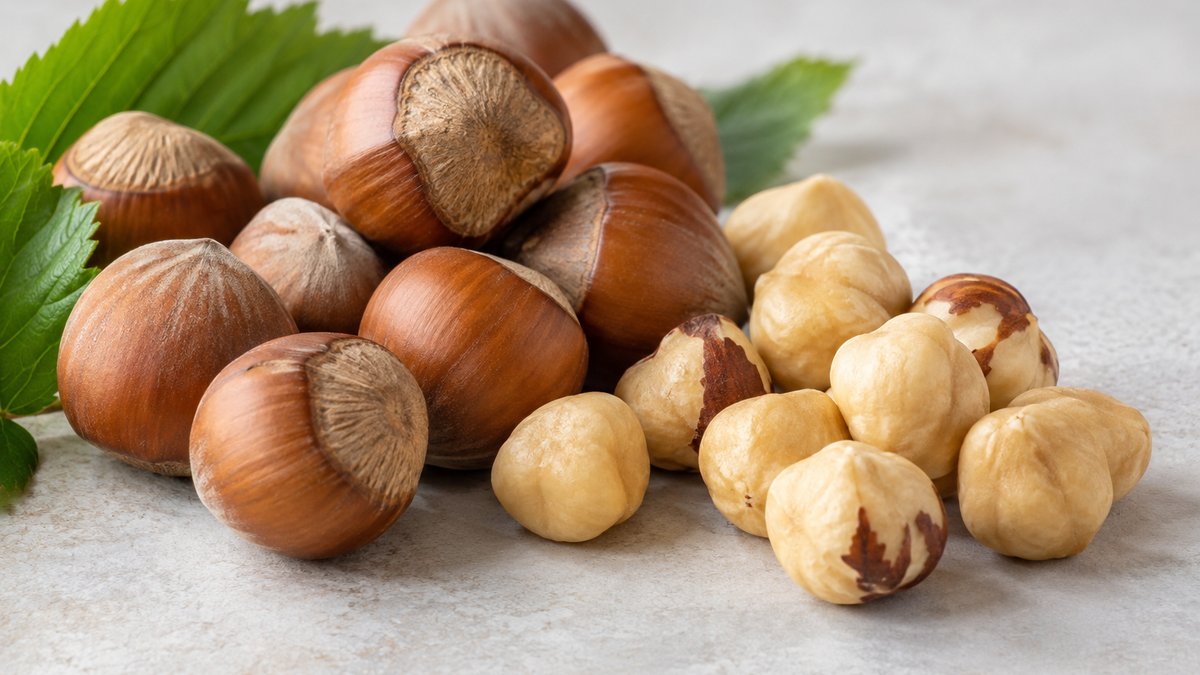
In-shell hazelnuts are sold with the shell intact; hazelnut kernels are sold after the shell has been removed. That processing difference affects what the buyer receives by weight, what quality checks apply, and how much work remains before sale or use.
Buyers commonly choose in-shell nuts for retail or snack sales where consumers expect to crack them. Kernels suit buyers who need edible nuts ready for packing, roasting, or use as an ingredient. Neither form guarantees a particular grade, size, taste, or shelf life. Those details belong in the product specification.
The UNECE publishes separate dry-produce standards for in-shell hazelnuts and hazelnut kernels. Its DDP-03 standard addresses the shell as well as the kernel inside; DDP-04 addresses the kernel itself. These are commercial quality standards, not a substitute for the importing country's food-safety rules or the requirements agreed in a sales contract.
2. How In-Shell Hazelnuts Compare with Hazelnut Kernels
The main commercial difference is whether the shell is part of the sale unit. For in-shell product, buyers assess shell condition and the kernel inside; for kernels, they assess the edible portion directly. The UNECE standards list separate quality criteria for each form.
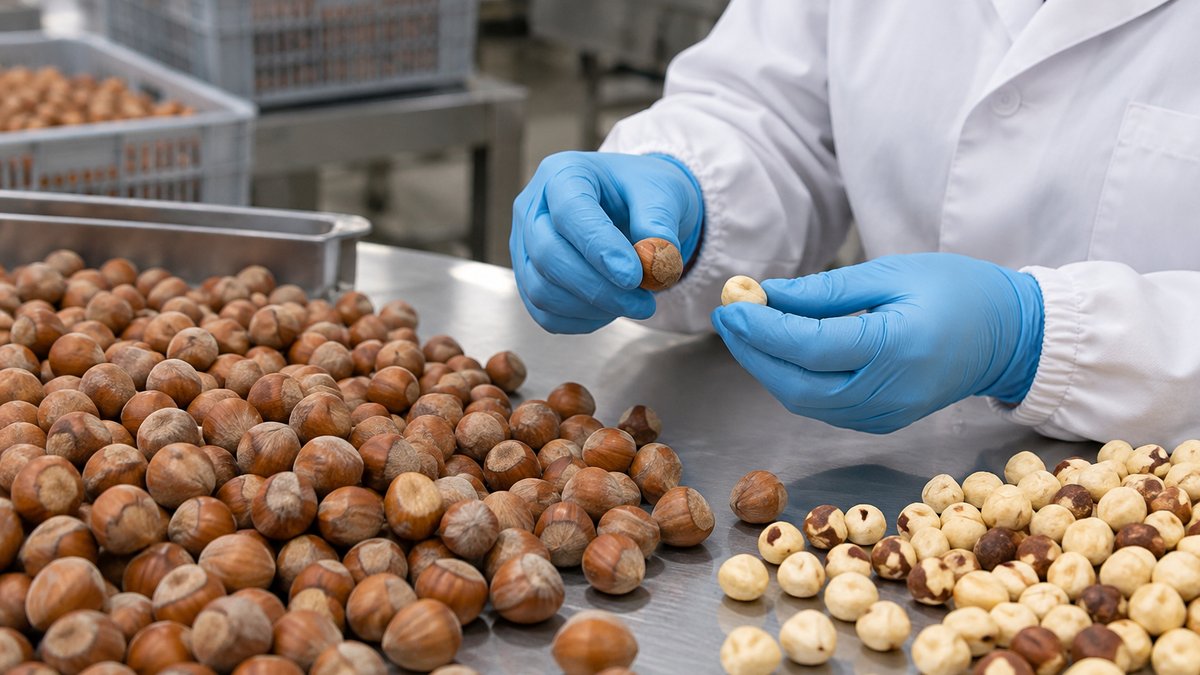
A price per kilogram does not compare the two forms on an equal basis. The in-shell weight includes material the buyer will remove, so buyers evaluating processing supply should consider kernel recovery and the cost of cracking and sorting. The buyer should obtain the supplier's yield information for the offered lot rather than assume a conversion rate.
UNECE DDP-03 includes requirements for shell condition, kernel development and the condition of the whole product. DDP-04 focuses on the kernel, including its condition and freedom from visible foreign matter. The standards also set tolerances and classification requirements. Buyers should identify the edition and class they intend to use in the contract, then agree how inspection and acceptance will be handled.
The two forms also need careful handling after harvest and during storage. University of California, Davis, Postharvest Research and Extension Center guidance says in-shell nuts generally keep longer than shelled nuts under the same storage conditions. That is a general comparison, not a guaranteed shelf life for a particular hazelnut lot. Packaging, temperature, humidity, initial condition and storage duration all affect the result.
3. A Buyer Compares Two Offers for One Production Line
A confectionery manufacturer deciding between an in-shell offer and a kernel offer should compare the products against its actual receiving and processing setup. The in-shell offer requires cracking and sorting before the factory can use the kernels; the kernel offer arrives without that step, but the buyer must still check the kernel specification and packaging.
Illustrative comparison for a confectionery buyer:
In-shell offer: Confirm size, shell condition, kernel development, defects, moisture basis and how kernel recovery will be assessed.
Kernel offer: Confirm whole or broken form, size, defects, moisture basis, skin condition and any roasting or blanching requirement.
Both offers: Compare crop year, origin, grade, net weight basis, packaging, inspection method and delivery terms.
This is an illustrative checklist, not a specification for every factory or hazelnut shipment.
For this buyer, the meaningful comparison is the cost and usable output after the required preparation, not simply the supplier's quoted price per kilogram. Ask whether the kernel offer is whole, broken, blanched, roasted, salted or otherwise processed. Those attributes change the product being compared and may place it outside the scope of a standard for unprocessed kernels.
The buyer should also define how the parties will check the lot. Agree the sampling procedure, defect tolerances, moisture test method and the point at which inspection takes place. If kernels will be used in a finished food, the buyer should separately confirm applicable destination-market food-safety and contaminant requirements with the responsible authority or qualified compliance team.
Looking to Source Hazelnut?
Connect with verified suppliers, discover matching products, and explore sourcing opportunities from global markets.
4. Choose the Form That Matches the Receiving Process
Choose in-shell hazelnuts when the sales format or handling plan calls for whole nuts, and choose kernels when the next buyer or production step needs the edible portion. The right form depends on the intended channel, available equipment and specification, not on a universal price or quality ranking.
4.1 Choose in-shell hazelnuts when
- The product will be sold whole, and the buyer or end customer will crack it.
- The buyer has equipment and labor for cracking, sorting and assessing kernel recovery.
- The contract can define shell condition, kernel development, defects and the inspection method.
- The buyer's storage and packaging plan accounts for the actual shipment and intended holding period.
4.2 Choose hazelnut kernels when
- The buyer needs nuts for packing, roasting, or further food production without shelling them first.
- The buyer can specify whether the lot must contain whole kernels, pieces, or another size range.
- The buyer has defined whether skins may remain and whether roasting, blanching, salting or other treatment is required.
- The buyer can protect the exposed kernels with packaging and storage conditions suited to the product.
Before requesting quotations, state the product form first, then add variety or cultivar if relevant, size, grade, defect tolerances, moisture basis, crop year, origin, packaging, quantity and delivery terms. For kernels, add whole or broken, skin condition and any processing treatment. For in-shell lots, agree whether a kernel-recovery figure is required and how it will be measured.
Buying consideration: Send the same specification to each supplier and ask them to identify any point they cannot meet. That makes quotations easier to compare and reduces disputes about whether the contract covered shell condition, edible yield or processing status.
5. Standards and Sourcing Resources for Hazelnut Buyers
The UNECE standards provide separate quality references for in-shell hazelnuts and kernels. The UNECE standards listing shows DDP-03 as revised in 2007 and DDP-04 as revised in 2010. Check the current listing and the standard text when preparing a contract, since a quality standard does not replace national import rules or a buyer's product-specific requirements.
For storage planning, the University of California, Davis, Postharvest Research and Extension Center explains how storage conditions affect nuts and notes the general difference between in-shell and shelled forms. Its guidance is a reference for handling decisions, not a shelf-life promise for a particular shipment.
Buyers sourcing hazelnuts can also review hazelnut buying requests on Freshdi. Confirm the product form and specification in each request before deciding whether it matches your sourcing needs.
References
1. United Nations Economic Commission for Europe – Dry and Dried Produce Standards: DDP-03 Inshell Hazelnuts and DDP-04 Hazelnut Kernels, Standards listing checked November 19, 2026; DDP-03 revised 2007 and DDP-04 revised 2010.
2. United Nations Economic Commission for Europe – UNECE Standard DDP-03 Concerning the Marketing and Commercial Quality Control of Inshell Hazelnuts, 2007.
3. United Nations Economic Commission for Europe – UNECE Standard DDP-04 Concerning the Marketing and Commercial Quality Control of Hazelnut Kernels, 2010; aligned standard draft presented for review in 2025.
4. University of California, Davis, Postharvest Research and Extension Center – Commercial Storage of Whole and Diced Almonds, Pecans and Hazelnuts, Accessed November 19, 2026.
5. Agricultural Marketing Resource Center – Hazelnuts, December 2023.
Disclaimer: This article is compiled from platform data, public sources and information provided by third parties, for general informational purposes only. We do not guarantee its accuracy or completeness. Please conduct your own due diligence before making business decisions.