
1. Navel and Valencia Oranges Serve Different Buying Needs
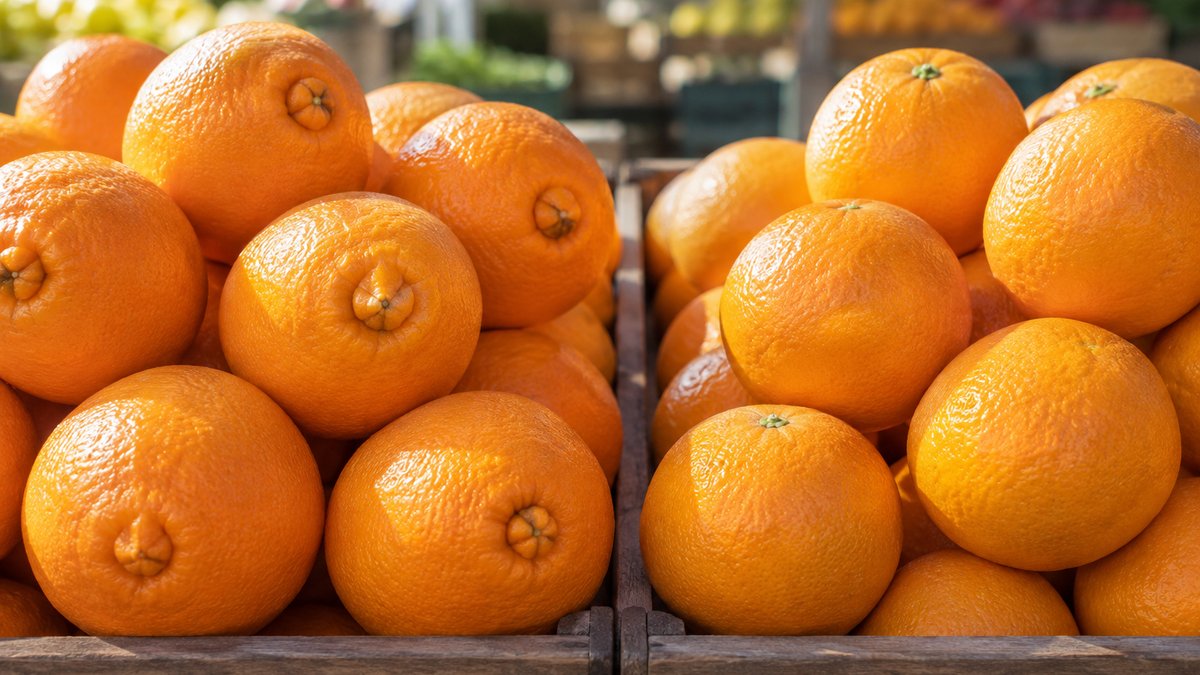
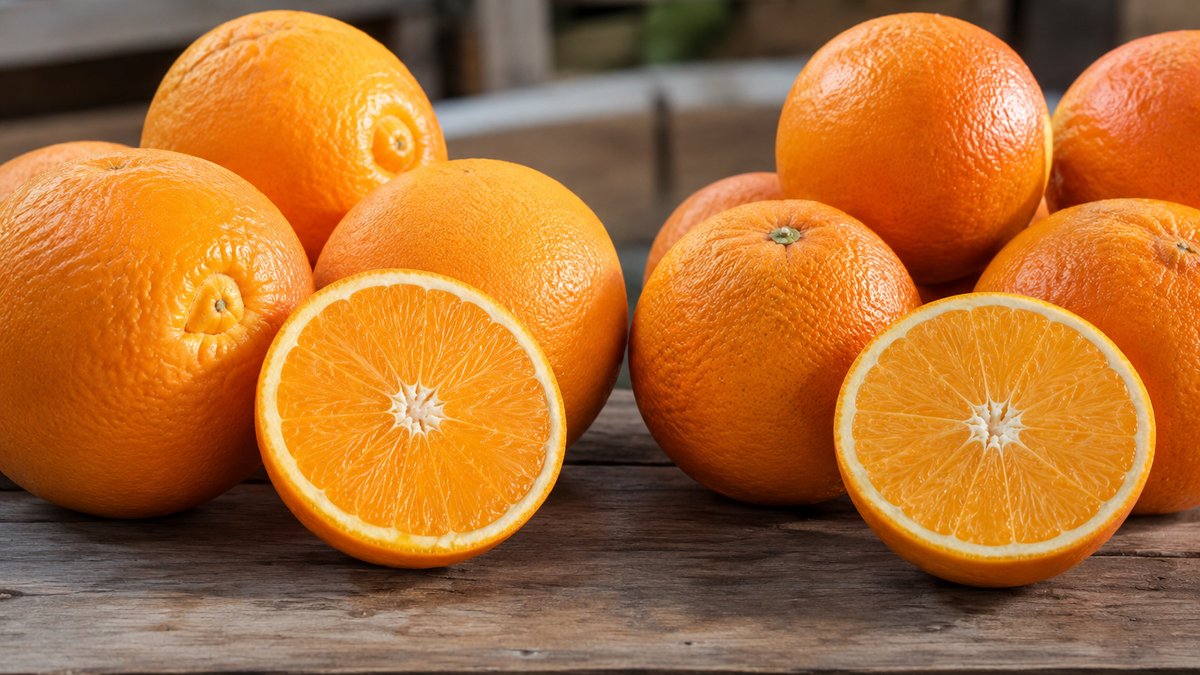
Navel and Valencia oranges are both sweet oranges, but buyers commonly choose them for different uses. Navels are widely suited to fresh eating: they are generally seedless and easy to peel. Valencia oranges are known for their juice and later harvest window, and can also be sold as fresh fruit.
For an importer, the first distinction is the intended outlet. Retailers selling whole fruit may value Navel appearance, ease of peeling and seedlessness. Juice processors may favor Valencia fruit for its juicing qualities and later-season availability. Neither variety automatically guarantees a particular size, sweetness, color, shelf life or price.
The harvest calendar depends on growing region, cultivar and season. In California, UC sources describe Navels as generally maturing in winter to early spring and Valencia oranges as later-maturing, often in late spring or summer. Those timings are not a global calendar: suppliers in another hemisphere or production region may offer the varieties in different months.
The names also do not replace a full product specification. A buyer still needs to agree on size, grade or quality requirements, maturity, packing, labeling, quantity and delivery terms. A variety name identifies the type of orange being offered; it does not settle the conditions of the sale.
2. Compare Navel and Valencia Oranges by Use and Specification
The differences below are general tendencies, not guarantees for every cultivar or shipment. Growing conditions, maturity at harvest, handling and the buyer’s specification affect the fruit received.
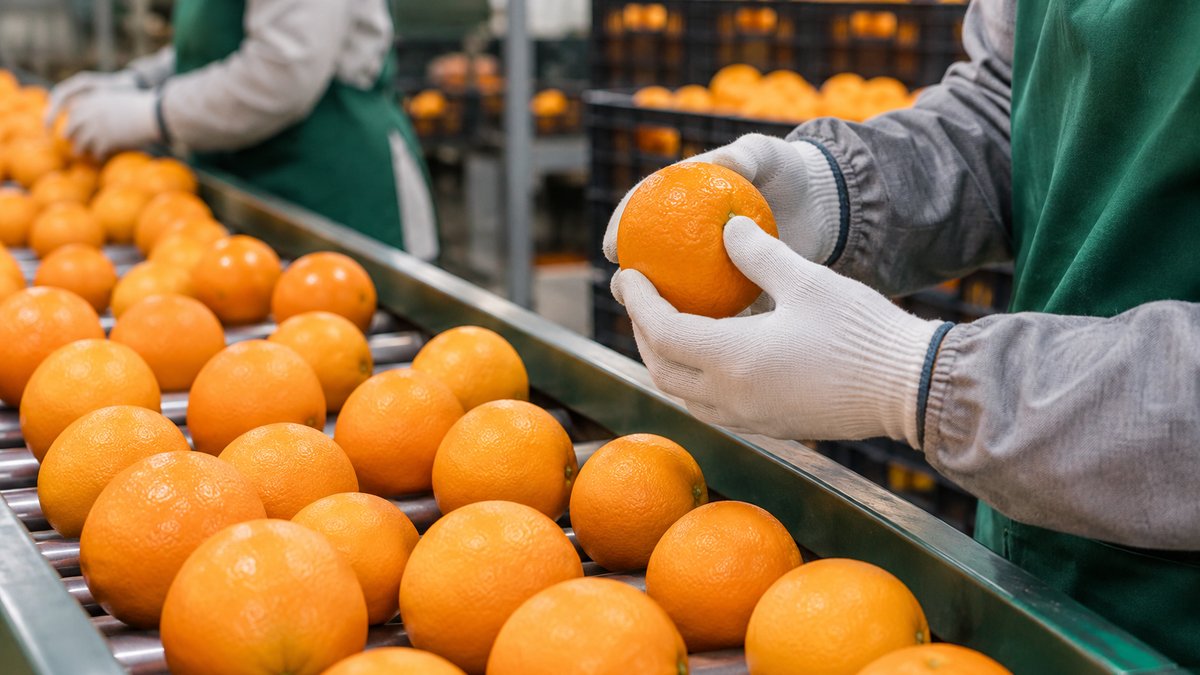
A variety name is not a grading standard. The Codex Alimentarius Commission’s Standard for Oranges covers commercial sweet oranges sold fresh after preparation and packaging, and addresses quality, sizing, tolerances, presentation and marking. It excludes oranges for industrial processing. Codex is an international reference; importers must check whether destination-country rules or the contract apply a specific standard.
In the United States, USDA Agricultural Marketing Service rules provide a destination-specific example. As checked on November 18, 2026, USDA states that covered orange imports over 400 pounds are subject to inspection and certification under Section 8e. Its page lists a minimum U.S. No. 2 grade and a minimum diameter of 2 3/16 inches for the applicable period from September 1 through June 30. These requirements are U.S.-specific and should not be treated as the rule for other markets.
Color alone is also an unreliable maturity test across varieties and climates. UC IPM notes that Valencia oranges can be mature while still greenish, and USDA’s California and Arizona grade standards distinguish the color requirement for Valencia from the one for other oranges. Importers should agree with the supplier on maturity evidence and the inspection method, rather than rejecting or accepting a lot based only on rind color.
3. A Sourcing Scenario: Choosing Fruit for Retail and Juice
Suppose an importer supplies two customers: a grocery retailer that sells whole fruit and a processor that presses oranges into juice. The retailer asks for easy-to-peel fruit with few seeds for fresh consumption. A Navel specification may fit that request. The processor values juice performance and a supply window later in the season, so a Valencia offer may be more suitable.
That choice narrows the variety, but it does not make two supplier offers comparable by itself. The importer should confirm that the quotations cover the same unit, pack format, maturity criteria, grade or defect tolerances, delivery basis and shipment period. The buyer should also clarify whether the product is intended for the fresh market or processing, since the relevant specifications and standards may differ.
For example, a buyer could send a request like this to suppliers:
Illustrative inquiry format:
Product: Fresh Navel oranges
Use: Retail sale as whole fruit
Cultivar and origin: State the offered cultivar and growing origin
Size and quality: State the buyer’s required size range and grade or defect limits
Packing: State pack weight, carton type and labeling requirements
Quantity and delivery: State volume, destination, requested delivery term and shipment window
This is an illustrative inquiry format. Set the actual cultivar, origin, quality limits, packaging and commercial terms for the buyer’s market and contract.
For a Valencia inquiry, the buyer can use the same structure and state whether the fruit is intended for juicing or fresh sale. If the processor has a target for juice characteristics, it should define the test method and acceptance limits with the supplier before contracting; the variety name alone does not certify a particular result.
Looking to Source Fresh Orange?
Connect with verified suppliers, discover matching products, and explore sourcing opportunities from global markets.
4. Choose the Variety That Fits the Buyer’s Outlet
Choose Navel when the order is mainly for whole-fruit retail or foodservice and the customer values a generally seedless, easy-to-peel orange. Confirm the specific cultivar and inspect a representative sample: size, peel condition, appearance, maturity and packing can vary among origins and lots.
Choose Valencia when a juice buyer wants a variety commonly used for juice, or when its later harvest period fits the buyer’s supply plan. Valencia is also sold fresh, so it should not be treated as a processing-only orange. Confirm whether the offer is intended for fresh sale or processing and agree on the appropriate quality criteria.
Use the following steps before requesting or comparing quotations:
- State the end use. Identify whether the fruit is for retail, foodservice, juice processing or another specified use.
- Name the variety and cultivar where known. Ask the supplier to identify the offered selection and production origin.
- Set measurable quality requirements. Specify size or count, maturity, external defects and any applicable grade standard. Where color is not a reliable maturity indicator, agree on the maturity test or inspection procedure.
- Define the pack. State net weight, carton or consumer pack, labeling language and any pallet requirements relevant to the buyer.
- Set commercial conditions. Give quantity, destination, requested delivery term, shipment period and any inspection or documentation requirements.
- Compare like with like. Check that offers use the same units, pack weights, quality limits, delivery basis and shipment window before comparing prices.
For U.S. imports, check the current USDA AMS Section 8e requirements for the shipment date and intended use. For other destinations, confirm the importing country’s fresh-produce rules and any buyer-required standard. A general Codex standard or a supplier’s usual practice does not replace destination-specific verification.
Buying consideration: Before placing an order, ask for the cultivar, origin, harvest or shipment window, written quality specification and pack details. If the buyer’s decision depends on eating quality or juicing performance, agree how the sample or commercial lot will be assessed.
5. Related Resources for Fresh Orange Buyers
Use Codex’s Standard for Oranges as an international reference for fresh-fruit quality and presentation, then check whether the destination market has adopted additional or different requirements. Importers shipping to the United States can review USDA AMS guidance for orange imports and the grade standards applicable to the production region. For seasonal planning, consult agricultural extension information for the supplier’s growing area; California harvest timing does not describe every origin.
Freshdi lists Fresh Orange buying requests and Fresh Orange suppliers, which buyers can review when exploring sourcing options. Confirm variety, specifications and current commercial terms with the prospective supplier before making a decision.
References
1. Codex Alimentarius Commission – Standard for Oranges, CXS 245-2004, 2004.
2. University of California Agriculture and Natural Resources – Growing Great Citrus, Undated, accessed 2026.
3. University of California Statewide Integrated Pest Management Program – Harvesting and Storing Citrus, Undated, accessed 2026.
4. U.S. Department of Agriculture, Agricultural Marketing Service – Importing Oranges, Accessed November 18, 2026.
5. U.S. Department of Agriculture, Agricultural Marketing Service – California and Arizona Orange Grades and Standards, Accessed November 18, 2026.
Disclaimer: This article is compiled from platform data, public sources and information provided by third parties, for general informational purposes only. We do not guarantee its accuracy or completeness. Please conduct your own due diligence before making business decisions.