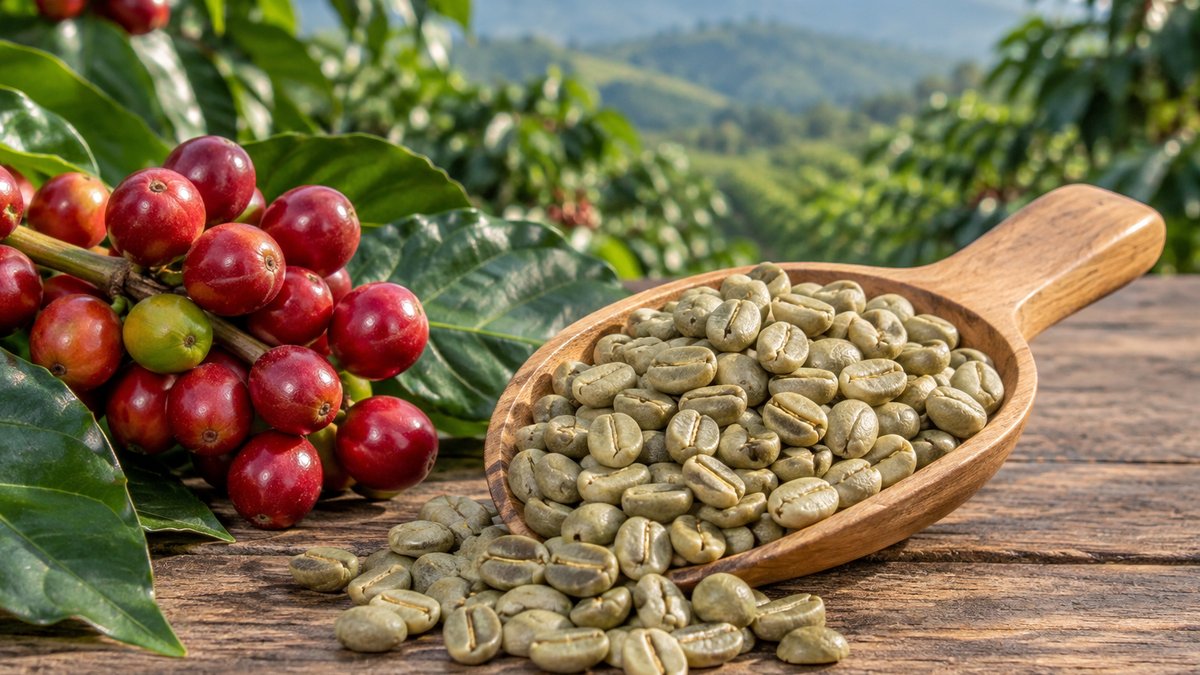

1. Robusta and Arabica Are Different Coffee Species
Robusta coffee is generally the trade name for Coffea canephora; Arabica is Coffea arabica. They are the two principal coffee species in international trade. The name identifies the species, but it does not specify a lot’s grade, processing method, cup quality, moisture, screen size or commercial suitability.
The International Coffee Organization (ICO) describes Robusta as generally easier and less costly to produce, with higher yields per tree than Arabica. Those are broad production tendencies, not guarantees for an individual farm or shipment. Variety, growing conditions, harvest practices and post-harvest handling affect each lot.
The species also tends to differ in cup profile. The ICO’s Coffee Development Report describes Arabica as tending toward sweeter, softer flavors and higher acidity, while Robusta is often stronger and more bitter. These descriptions are starting points for evaluation, not fixed results. Robusta lots vary, and the ICO notes that high-quality Robusta is used in espresso and blends.
Caffeine content is another broad distinction. The ICO report describes Robusta as containing about twice as much caffeine as Arabica. Buyers comparing a finished beverage should still check the product and preparation method: the bean species alone does not state the caffeine content of a serving.
Commercially, the species can signal a likely use. The Food and Agriculture Organization (FAO) describes Robusta as used mainly in instant coffee and blends, while Arabica is used primarily in roast and ground coffee. These are common applications, not restrictions. Buyers can assess a particular lot by its sample, specification and intended process rather than relying on a species label alone.
A contract should therefore identify the species and describe the lot’s measurable and sensory requirements separately. “Robusta coffee” identifies a broad product category; it does not tell the seller which grade, preparation, defect limits or cup characteristics the buyer will accept.
2. Robusta and Arabica Compared for Commercial Buying
The practical differences appear in production tendencies, typical cup profiles and common applications. The comparison below describes general tendencies reported by the ICO and FAO; it is not a specification for every origin or shipment.
Use the table to frame a product discussion, then compare individual offers using matching specifications. A Robusta quote and an Arabica quote are not directly comparable if their preparation, grade, defect limits, packing or delivery terms differ.
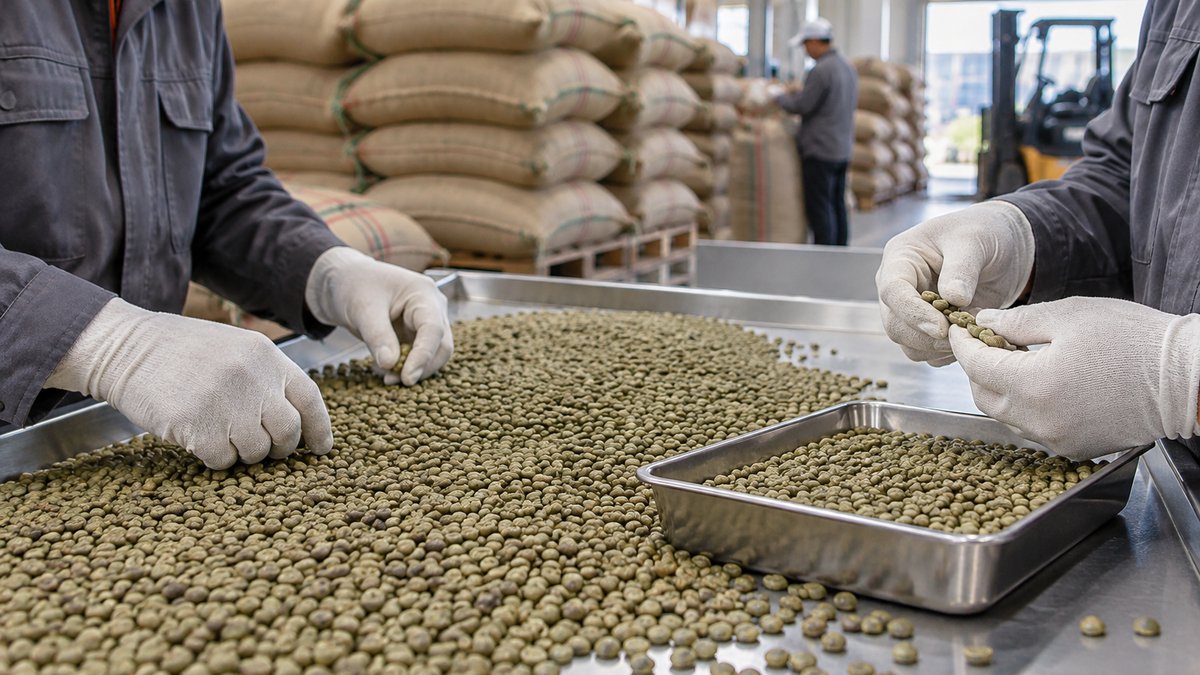
In green coffee trading, grade names and classification systems can vary by country. The ICO’s national standards review describes grading criteria that may include bean size, defects, preparation, density and cup quality. It also notes that countries use their own screen-size classifications. A label such as “grade 1” or a screen number should therefore be read with its country or contract definition.
Screen size describes bean dimensions, not a complete quality result. The ICO’s quality guidance explains that grading methods differ by country and can include several criteria. A larger bean or a particular grade name should not replace a contract’s stated defect limits, preparation requirements and cup assessment.
The ISO 10470:2004 defect reference chart applies to green coffee regardless of species, variety or wet or dry processing. It gives trading parties a way to describe defect categories and their effects. It does not make Robusta and Arabica grades interchangeable, and it does not supply all the commercial requirements for a shipment.
Buying consideration: When comparing offers, ask suppliers to state the country’s grading basis, screen-size method, preparation, defect limits and sample or cup-evaluation method. Put agreed tolerances in the contract instead of relying on an unqualified grade name.
3. An Example of Comparing Robusta and Arabica Offers
Consider a roaster sourcing green coffee for a product that needs a pronounced coffee body and a controlled blend cost. The buyer receives one Robusta offer and one Arabica offer. The species labels help explain why the lots may differ in cup profile and common use, but they do not establish which lot meets the roaster’s recipe.
Illustrative green coffee inquiry:
Species: Robusta or Arabica, stated separately for each offer
Form and preparation: Green coffee; state washed, natural or another preparation
Grade basis: Name the origin-country grading system and the applicable grade
Quality limits: State screen-size range, defect tolerance, moisture requirement and any cup criteria
Assessment: Request a representative sample and agree how it will be evaluated
Shipment: State quantity, packing, delivery location, shipment schedule and agreed trade terms
This is an illustrative inquiry format, not a universal Robusta or Arabica specification. The buyer and supplier should set requirements for the actual product, destination and processing use.
The buyer can then test each sample in the intended blend or production process. For a blend, the relevant question is how the lot performs at the planned proportion, roast and brewing method. A species description alone cannot predict the final result because the lots may differ in grade, preparation and cup characteristics.
If the offer concerns roasted or soluble coffee rather than green beans, the inquiry needs product-specific details for that form. Green-bean screen size does not describe a roasted product, while the species label still does not define roast level, grind, soluble format or finished-product composition.
The contract should also distinguish a supplier’s stated specification from an agreed acceptance test. The parties can identify the sample used for approval, the inspection method and how they will handle a shipment that falls outside the agreed limits. Those terms make the offers easier to assess than a comparison based only on “Robusta” and “Arabica.”
Looking to Source Robusta Coffee?
Connect with verified suppliers, discover matching products, and explore sourcing opportunities from global markets.
4. Choose the Species by Use, Then Set the Lot Specification
Choose Robusta or Arabica according to the intended product and the buyer’s tested requirements. FAO describes Robusta as common in instant coffee and blends, and Arabica as primarily used for roast and ground coffee. The ICO also notes that selected high-quality Robusta is used in espresso and blends, so a buyer should not rule out a species without evaluating the lot.
4.1 When Robusta may fit
Robusta may suit a buyer seeking the species’ commonly described stronger, more bitter profile or sourcing for instant coffee and blending. For espresso, the ICO notes that high-quality Robusta is used for deep flavor and crema. The buyer should define those sensory goals through a sample and agreed evaluation rather than treating “Robusta” as proof of a specific cup result.
Production cost and yield can inform a sourcing discussion, but they do not establish a fixed price relationship between two offers. A valid comparison needs the same delivery basis, quantity, preparation and relevant quality requirements. The buyer should also compare the actual lot and seller’s terms.
4.2 When Arabica may fit
Arabica may suit a buyer seeking the softer, sweeter and more acidic profile described in the ICO report, or a product positioned for roast and ground use. Those are typical descriptions, not a quality guarantee. A representative sample and the buyer’s own sensory criteria are needed to assess whether a lot fits the product.
A buyer with a specific recipe, roast or end-market requirement should state that requirement instead of requesting “Arabica” as a stand-in for quality. Suppliers need the accepted grade basis, preparation, cup criteria and tolerances to determine whether the offer matches.
4.3 Confirm requirements for either species
For either species, specify the green, roasted or soluble form; origin and preparation; grading system; size or screen criteria where relevant; defect limits; moisture requirement; packing; quantity; shipment schedule; and delivery and payment terms. Include any required documents or destination-market requirements that apply to the specific shipment.
Ask what the supplier’s grade means in the stated origin and how the lot was assessed. The ICO’s national quality standards review documents differences among national grading systems, while its grading guidance describes criteria beyond bean size. A grade label without its definition can leave both sides working from different expectations.
Finally, compare samples using the intended roast, blend or product process. The species points to broad tendencies; the lot’s measured condition and tested performance support the actual purchase decision.
5. Related Coffee Trade Resources
The FAO’s coffee overview summarizes the two principal traded species and their common applications. The ICO’s Coffee Development Report discusses production tendencies, cup profiles and caffeine comparisons. For green-bean purchases, the ICO’s national quality standards review and grading guidance explain why grade names and screen-size systems need their country-specific definitions.
ISO 10470:2004 provides a reference chart for green-coffee defect categories across species and processing methods. Its public abstract describes how the chart can support bilateral purchasing specifications; buyers should confirm the full standard and any contract or destination requirements that apply to their transaction.
For a practical sourcing step, buyers can review Robusta coffee buying requests and Robusta coffee suppliers on Freshdi. Compare each listing with the agreed species, form, grading basis and shipment requirements before pursuing an offer.
References
1. Food and Agriculture Organization of the United Nations – Coffee: Facts, Data and Global Perspective, 2026.
2. International Coffee Organization – Coffee Development Report 2020, 2020.
3. International Coffee Organization – National Quality Standards for Coffee, 2018.
4. International Coffee Organization – Other Grading Systems and Terminologies, n.d..
5. International Organization for Standardization – ISO 10470:2004, Green Coffee: Defect Reference Chart, 2004; confirmed 2017.
Disclaimer: This article is compiled from platform data, public sources and information provided by third parties, for general informational purposes only. We do not guarantee its accuracy or completeness. It is not legal, customs, tax or compliance advice. Regulations, tariffs and requirements differ by country and change frequently, so please consult a qualified professional (such as a customs broker, freight forwarder or lawyer) and confirm product specifications with the supplier before acting.