
1. SVR 10 Has Tighter Limits for Dirt, Ash and PRI Than SVR 20
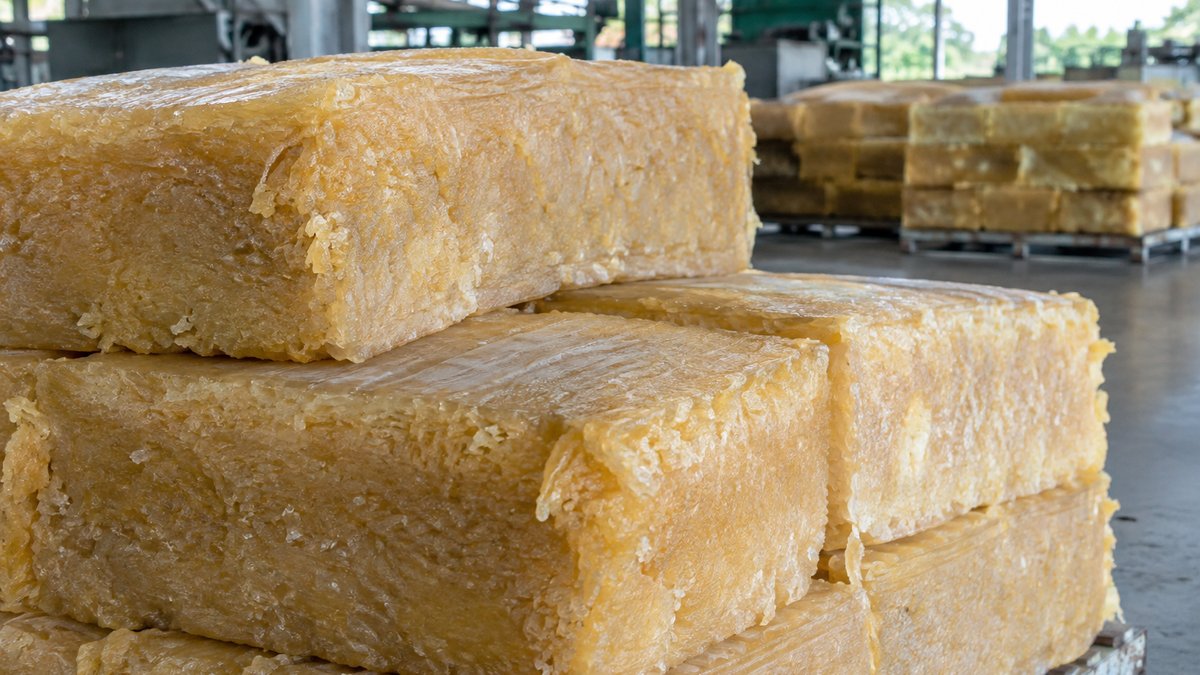
SVR 10 and SVR 20 are grades of Standard Vietnamese Rubber, or SVR, a technically specified form of natural rubber. Under Vietnam's active national standard TCVN 3769:2016, SVR 10 has lower maximum limits for dirt and ash and a higher minimum plasticity retention index (PRI) than SVR 20. The standard sets the two grades apart through measurable acceptance limits, not through a guarantee of how a particular batch will perform in every buyer's process.
The numbers in the grade names do not tell a buyer the exact test result for a shipment. They identify different grade specifications. A batch sold as SVR 20 can test better than its maximum permitted limits, while the grade name alone does not establish that a particular SVR 10 lot will meet a buyer's additional requirements. The lot's test results and the contract specification still need review.
The Vietnam National Standards and Quality Institute lists TCVN 3769:2016, titled Rubber, raw natural SVR: Specifications, as active. The standard covers technical requirements and a classification system based on natural-rubber content origin and rubber characteristics. The figures below refer to the SVR 10 and SVR 20 grade limits in that standard, checked on November 15, 2026.
2. How the SVR 10 and SVR 20 Limits Compare
The clearest specification differences are the maximum permitted dirt and ash contents and the minimum PRI. Both grades share the same stated limits for nitrogen, volatile matter and initial Wallace plasticity under TCVN 3769:2016.
The values are grade limits, not typical batch results or a supplier's certificate of analysis. The dirt test uses material retained on a 45-micrometre sieve. Dirt and ash are expressed as maximum percentages by mass; P₀ and PRI are minimum values. The standard identifies test methods for these properties, so a comparison is meaningful only when both results were obtained using the agreed method.
Dirt content measures foreign material retained during the specified sieve test. Ash content measures the residue left after a test sample is incinerated. Those are separate indicators: a low result for one does not establish a low result for the other. The TCVN limits allow SVR 10 less dirt and ash than SVR 20, but buyers should inspect the individual test results to see how far a lot is from the applicable limit.
PRI compares a rubber sample's plasticity after accelerated ageing with its initial plasticity. A higher minimum threshold means SVR 10 has a tighter requirement for retaining plasticity in this test than SVR 20. PRI is one measured property; it does not by itself describe every processing or finished-product characteristic a manufacturer may need.
Three properties have the same stated limits for both grades in this standard: nitrogen at no more than 0.60% by mass, volatile matter at no more than 0.80%, and initial Wallace plasticity of at least 30. The grade names therefore do not mean every measured property differs. Buyers who need a particular value for one of these shared properties should put that value in the purchase specification and ask the supplier to confirm it.
A grade specification is a threshold system. It does not say that every SVR 10 batch will have less dirt, less ash or a higher PRI result than every SVR 20 batch. For example, the standard permits an SVR 20 dirt result up to its stated ceiling; a tested lot may come in below that ceiling. Comparing actual lots requires their test reports, not just the grade labels.
The figures in commercial offers should also be checked against the named standard and its edition. Vietnam Rubber Association's standards list identifies TCVN 3769:2016 as the national standard for SVR. A supplier may refer to a different edition, a customer specification or another declared standard. Ask which document governs the offer and the shipment, and do not assume that grade names alone make specifications interchangeable.
3. Three Buying Situations That Clarify the Difference
A buyer can use the grade comparison most effectively when the purchase requirement is clear. The following situations are illustrative; they describe specification checks, not claims that one grade guarantees a particular finished-product result.
Suppose a contract or production specification calls for SVR 10 under TCVN 3769:2016. The buyer should confirm that the supplier is offering that grade, identify the standard edition in the contract and request the batch's test report. If the buyer also needs a lower dirt ceiling or a higher PRI minimum than the standard sets, those requirements should be stated separately. The SVR 10 name by itself does not establish that a stricter customer limit has been met.
In a second situation, the buyer's approved specification calls for SVR 20. An offer for SVR 10 should not automatically be treated as an acceptable substitute simply because several SVR 10 thresholds are tighter in TCVN 3769:2016. Substitution can affect the agreed grade, purchasing approval or production controls. The buyer should compare the full specification and obtain approval for any change before ordering.
A third situation arises when two suppliers quote different grades and the buyer wants to compare the offers. First check that both offers identify the same standards basis and comparable shipment details. Then compare the requested grade, the supplier's reported test values, the quantity and packing basis, delivery term, shipment schedule and any other contract requirements. A grade name is one part of the comparison, not a complete commercial offer.
If a test report shows results close to a specification limit, the buyer can clarify the sampling, testing and acceptance process before shipment. The contract can identify the test method, who arranges testing, which documents accompany the goods and how the parties handle a result outside the agreed limits. These details help prevent a disagreement over what the grade label was meant to promise.
Each example turns on the same practical distinction: the grade describes a standard's acceptance criteria, while the buyer's purchase specification defines what the shipment must meet. If the buyer relies on properties beyond the grade's stated limits, those properties need express agreement and evidence.
Looking to Source Natural Rubber?
Connect with verified suppliers, discover matching products, and explore sourcing opportunities from global markets.
4. Choose the Grade That Matches the Contract and Test Requirements
Choose SVR 10 when the purchase requirement names SVR 10 or calls for the tighter dirt, ash and PRI limits set for SVR 10 in TCVN 3769:2016. Choose SVR 20 when the agreed requirement names SVR 20 and its limits meet the buyer's needs. Neither grade should be selected solely from its number or assumed price.
The grade is only one part of a rubber specification. Before confirming an order, buyers should state the applicable standard and edition, the grade, the test methods, any additional limits, the required test documentation and the process for accepting or rejecting a lot. If the buyer has a customer-specific specification, it should be checked against the grade requirements instead of being treated as covered automatically by the grade name.
- Name the grade and standard edition in the purchase contract.
- State any tighter limits or extra properties the buyer requires beyond the standard.
- Ask for batch-specific results and confirm which test methods were used.
- Agree on sampling, testing responsibility and acceptance procedures before shipment.
- Compare quotations using the same grade basis, quantity, packing and delivery conditions.
A certificate of analysis should be checked property by property. Confirm that the report identifies the shipment or batch, gives results for the agreed tests and can be matched to the contractual limits. A report that gives only the grade name does not show the measured dirt, ash or PRI values. If a result is missing, ask the supplier whether it is available and whether it is part of the agreed inspection.
Buyers should avoid treating the table's maximum and minimum values as target results. For dirt, ash, nitrogen and volatile matter, a maximum sets an upper boundary. For P₀ and PRI, a minimum sets a lower boundary. The direction of the limit matters when reviewing a certificate: a lower-than-maximum result and a higher-than-minimum result meet those numerical thresholds, subject to the specified test method and any other contract conditions.
A buyer may also want a different Mooney viscosity, an indicator used to characterize rubber viscosity under specified test conditions. TCVN 3769:2016 lists Mooney viscosity requirements for some grades, but the standard's SVR 10 and SVR 20 entries do not set a single listed value for either grade. The standard notes that other viscosity levels may be agreed by the parties. If Mooney viscosity matters to the buyer's process, specify the test conditions and agreed range in the contract rather than inferring a value from SVR 10 or SVR 20.
When a supplier proposes an alternative grade, compare the actual requirements line by line. A tighter limit on one measure does not automatically satisfy another measure, and a nominally tighter grade does not prove that the specific batch will meet a separate buyer limit. Document any approved substitution and the test evidence required for that shipment.
Buying consideration: Before issuing a purchase order, make the grade, governing standard, batch tests and acceptance rules explicit. That gives the supplier a defined basis for confirming the offer and gives both parties a shared reference if a test result is disputed.
5. Related Standards and Sourcing Resources
For Vietnam SVR, TCVN 3769:2016 is the relevant national specification identified by the Vietnam National Standards and Quality Institute and Vietnam Rubber Association. The VSQI catalog lists it as active and describes its scope as the technical requirements and classification of natural rubber SVR. The edition was published in 2016 and replaced TCVN 3769:2004.
The standard's test-method references help buyers and suppliers discuss how to establish results for each property. They do not remove the need to agree on the standard edition, sampling and acceptance details for a sale. Buyers should consult the applicable standard text and their own technical team when a property limit is essential to a formulation or production process.
Freshdi's Natural Rubber category is a place to explore related supplier listings and buying requests. Treat a listing as a starting point for sourcing, then confirm the offered grade, current test documentation, shipment terms and contract requirements with the prospective business partner.
References
1. Vietnam National Standards and Quality Institute – TCVN 3769:2016, Rubber, raw natural SVR: Specifications, 2016.
2. Vietnam Rubber Association – List of Regulations and Standards Applied in the Viet Nam Rubber Industry, 2021.
3. Dong Nai Rubber Corporation – TCVN 3769:2016, Natural Rubber SVR: Technical Requirements, 2016.
4. Vietnam Rubber Group – Technical Standards: National Standard, Natural Rubber SVR (TCVN 3769:2016), 2018.
Disclaimer: This article is compiled from platform data, public sources and information provided by third parties, for general informational purposes only. We do not guarantee its accuracy or completeness. Please conduct your own due diligence before making business decisions.