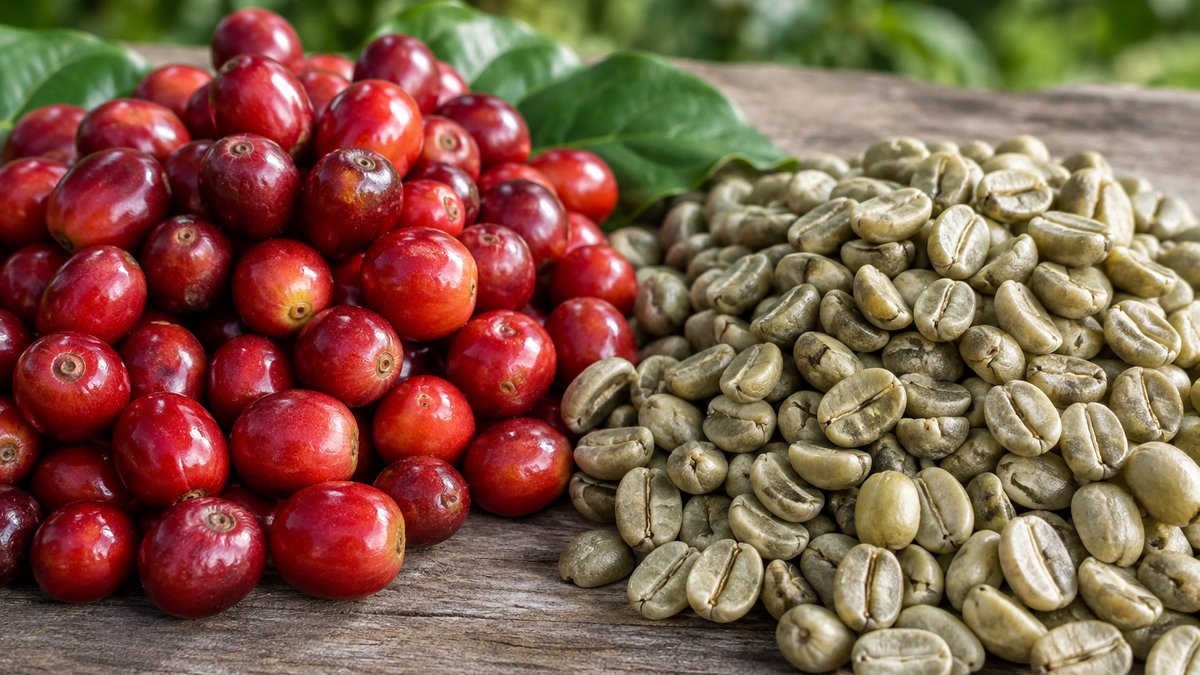

1. Washed and natural Robusta differ in when the cherry skin and fruit are removed
Washed Robusta is pulped soon after harvest, then its mucilage is removed through fermentation and washing or a mechanical step. Natural Robusta is dried as a whole coffee cherry; the dried outer fruit is removed after drying. That difference changes the work required at the mill, the water and weather conditions a processor must manage, and the sensory profile a buyer may encounter.
Both names describe post-harvest processing, not a grade, species distinction, certification or guarantee of cup quality. A washed lot can have defects if cherries are poorly selected or fermentation and drying are mismanaged. A natural lot can also be clean and consistent when ripe cherries are sorted and drying is controlled. Buyers should assess the actual lot and contract specification rather than treating the process name as a quality score.
For Robusta, washed processing can produce a more neutral cup character, according to an International Coffee Organization project report. That is a possible buying distinction, not a fixed flavor formula: origin, harvest maturity, drying, storage, roast and brewing also affect the cup. Natural processing leaves the bean drying inside the fruit, so the producer must manage the cherry throughout a longer drying stage.
The word “natural” here means the dry processing method. It does not mean organic or chemical-free production. Organic status, if relevant to a transaction, requires its own evidence and must be stated separately in the contract.
The terms can also conceal process variations. “Washed” may refer to full-wash processing, with fermentation followed by washing, or to a process where machinery removes mucilage after pulping. Natural coffee is sometimes called dry-processed or unwashed coffee. Buyers should ask the supplier to describe the actual sequence, especially when comparing lots from different mills.
2. The process, operating needs and buyer checks differ by lot
For procurement, the main distinction is the sequence after picking: natural Robusta dries in the whole cherry, while washed Robusta is pulped before the bean is dried. The practical comparison below gives buyers a starting point, but a process label cannot replace a sample assessment or written specification.
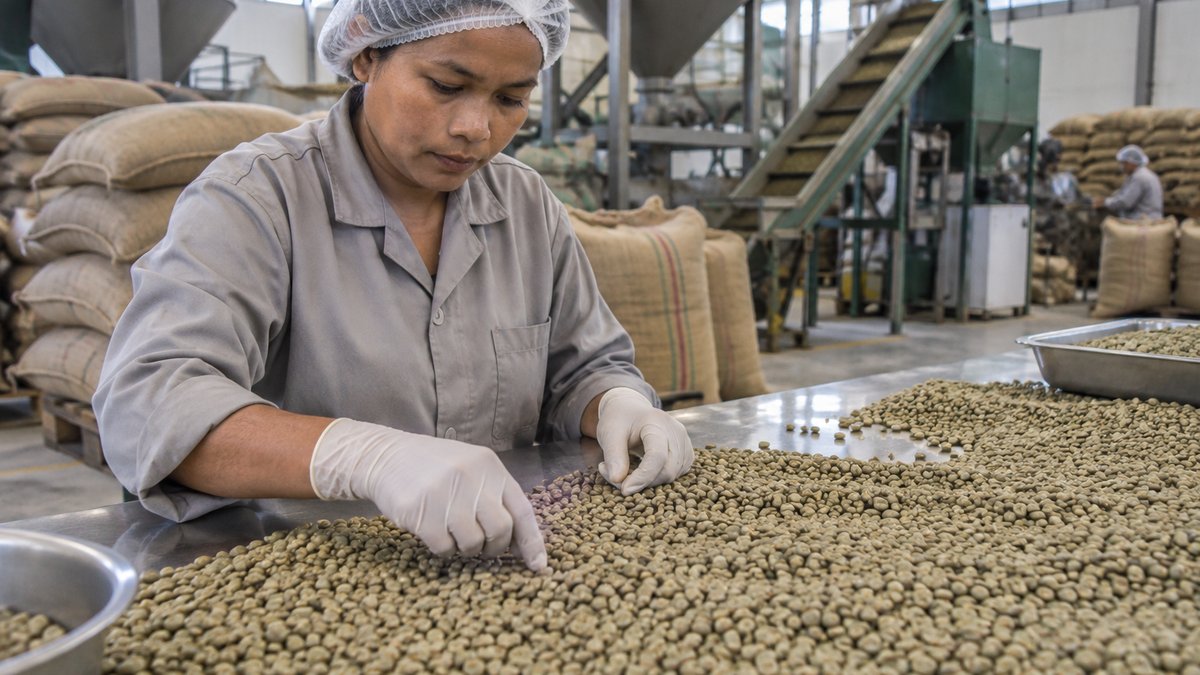
Uganda Coffee Development Authority guidance describes full-wash Robusta as pulped, fermented for one to two days, washed and dried as parchment. The same handbook describes natural processing as drying the picked cherries with the seeds inside. These are process descriptions from that guidance; mills may use different equipment and operating procedures, so the exporter should identify the method used for the offered lot.
The Uganda handbook gives a water-use range of 2 to 10 litres per kilogram of fresh cherry for the full-wash process it describes. Buyers should treat that as a handbook figure, not a universal mill benchmark: actual use depends on the equipment and process. Where water use or wastewater management matters to a buyer, request mill-specific information rather than inferring it from “washed.”
Natural processing avoids the pulping and washing stages described for full-wash coffee, but it shifts the control burden to drying the whole cherry. Weather, drying surface, turning practices and cherry sorting can affect the result. In either method, drying must be managed to the seller’s stated specification and verified with suitable measurements; the method name alone does not establish a shipment’s moisture condition.
Washed processing is not one uniform method. A producer may remove mucilage through fermentation and washing, or use a mechanical mucilage remover after pulping. The Uganda handbook describes semi-wash as a method that removes mucilage mechanically rather than fermenting it. Pulped-natural or honey processing is another distinct approach: the cherry skin is removed, while some mucilage remains during drying. Buyers comparing these with washed or natural lots should request the process sequence instead of grouping all intermediate methods under one label.
For a first comparison, request a representative green-bean sample from each lot and cup them using the same roast and evaluation conditions. Ask the supplier to state origin, crop or harvest period, process, grade or defect basis, screen size if relevant, moisture specification, packaging and available traceability. Confirm which values are contractual and which are descriptive. If the coffee is intended for a blend or soluble production, evaluate it against that specific use rather than a general preference for washed or natural processing.
3. A buyer comparing two Robusta offers should compare matched lots
Suppose an importer is reviewing two green Robusta offers for a roast-and-ground blend. One supplier describes a lot as washed; another describes a lot as natural. The buyer should first establish whether both offers match the required origin, grade basis, delivery period and intended use. If those details differ, the processing method is only one of several variables and the offers are not yet a like-for-like comparison.
The buyer can then request samples and the processing details behind each description. For the washed lot, ask whether the mill used fermentation and washing or mechanical mucilage removal, and request the supplier’s stated drying and quality specifications. For the natural lot, ask how cherries were sorted and dried, and what the supplier can document about the lot’s storage and shipment condition. A supplier may not provide every detail; record any unanswered point as not stated instead of assuming a standard practice.
After receiving samples, the buyer should roast and evaluate them under the same conditions, using the same preparation and assessment method. A different result may reflect processing, but also origin, harvest maturity, sorting, storage or other lot differences. The buyer should therefore treat the cup comparison as a comparison of the supplied lots, not proof that every washed Robusta tastes one way or every natural Robusta tastes another.
If the washed sample fits the blend because its cup character is more neutral, the buyer can specify the sensory acceptance criteria and retain an approved reference sample. If the natural sample performs better in the intended recipe, the buyer can write the same kind of measurable or assessable acceptance criteria for that lot. In either case, the contract should identify the agreed product and quality basis, not rely on a verbal description alone.
The example does not establish a price premium, guaranteed profile or universal preference. A processing label may influence what a buyer tests, but commercial value depends on the particular lot, its documentation, the buyer’s use and the negotiated terms. The contract should also address inspection, sampling, tolerances and the procedure for handling a quality dispute.
Looking to Source Robusta Coffee?
Connect with verified suppliers, discover matching products, and explore sourcing opportunities from global markets.
4. Choose by cup target, process evidence and supply fit
Choose washed Robusta when the lot’s cup result, process documentation and supply terms meet the buyer’s requirements. A buyer seeking a more neutral cup character has a reason to include washed Robusta in the sample review, since the ICO report identifies that potential effect. The buyer should still approve the actual sample and specify the accepted quality in the purchase contract.
Choose natural Robusta when the sample meets the target and the supplier can support the required lot consistency, drying and delivery specifications. The dry process uses fewer wet-mill operations than full-wash processing, but the buyer should still investigate cherry selection and drying controls. A simpler sequence does not automatically mean lower defects, a lower price or a better fit for a particular buyer.
For both methods, ask the supplier to distinguish the process name from the commercial grade. Robusta trading descriptions and grading practices can vary by origin and contract. State the applicable grading basis, allowable defects, screen-size requirements if used, sample approval process and how shipment quality will be assessed. Avoid relying on broad terms such as “premium” or “high quality” without an agreed specification.
A workable sourcing decision considers the intended use first. A roaster buying for a defined blend can compare cup performance and repeatability. A soluble coffee manufacturer may apply its own extractability and processing criteria. A trader buying for resale may need a clear grade description, consistent documentation and a sample that represents the commercial lot. These needs should guide which characteristics the buyer tests.
Before committing, align the offer and purchase contract on product description, process, origin, crop period when available, grade, quantity, packaging, moisture requirement, inspection method, delivery term, payment terms and shipment schedule. Confirm how a retained sample will be identified and stored. A term such as “washed Robusta” is useful for discovery, but it is not a complete purchase specification.
If process control or traceability is important, request supporting records that correspond to the offered lot, such as mill information or lot identification. Do not treat a general company statement as evidence that a specific shipment followed a particular process. Any certification, organic status or sustainability claim should be verified separately and included only when relevant to the transaction.
Buying consideration: Compare washed and natural offers only after confirming their lot details and evaluating representative samples. Select the lot that meets the buyer’s cup target and contract requirements, then record the accepted process and quality criteria in writing.
5. Related resources for evaluating Robusta coffee
Use technical processing guides to understand the steps, then use lot documents and samples to make the commercial decision. The International Trade Centre’s Coffee Guide describes washed, natural and pulped-natural methods; Uganda Coffee Development Authority’s Robusta handbook gives Robusta-specific process guidance. These resources explain methods, but they do not certify or grade an individual seller’s lot.
Buyers and exporters can also compare the stated product details in Robusta Coffee buying requests and Robusta Coffee supplier listings on Freshdi. A listing can help identify potential trade counterparts; review its current information and verify the product, business details and commercial terms before making a decision.
- Ask whether the lot is fully washed, mechanically washed, natural, pulped natural or another method.
- Request a representative sample and evaluate it against the intended use.
- Agree on the grade basis, quality limits, moisture specification and sample approval procedure.
- Check that the shipment documents and contract describe the same lot and process.
References
1. International Trade Centre – The Coffee Guide, Fourth Edition, 2021.
2. Uganda Coffee Development Authority – Robusta Coffee Harvest and Post-Harvest Handling Practices, 2019.
3. United Nations Conference on Trade and Development – The Coffee Exporter's Guide, Third Edition, 2012.
4. IOP Conference Series: Earth and Environmental Science – The Effect of Several Postharvest Processing on the Quality of Robusta Coffee (Coffea canephora), 2023.
Disclaimer: This article is compiled from platform data, public sources and information provided by third parties, for general informational purposes only. We do not guarantee its accuracy or completeness. Please conduct your own due diligence before making business decisions.