
1. Whole cloves and clove powder differ in processing and use
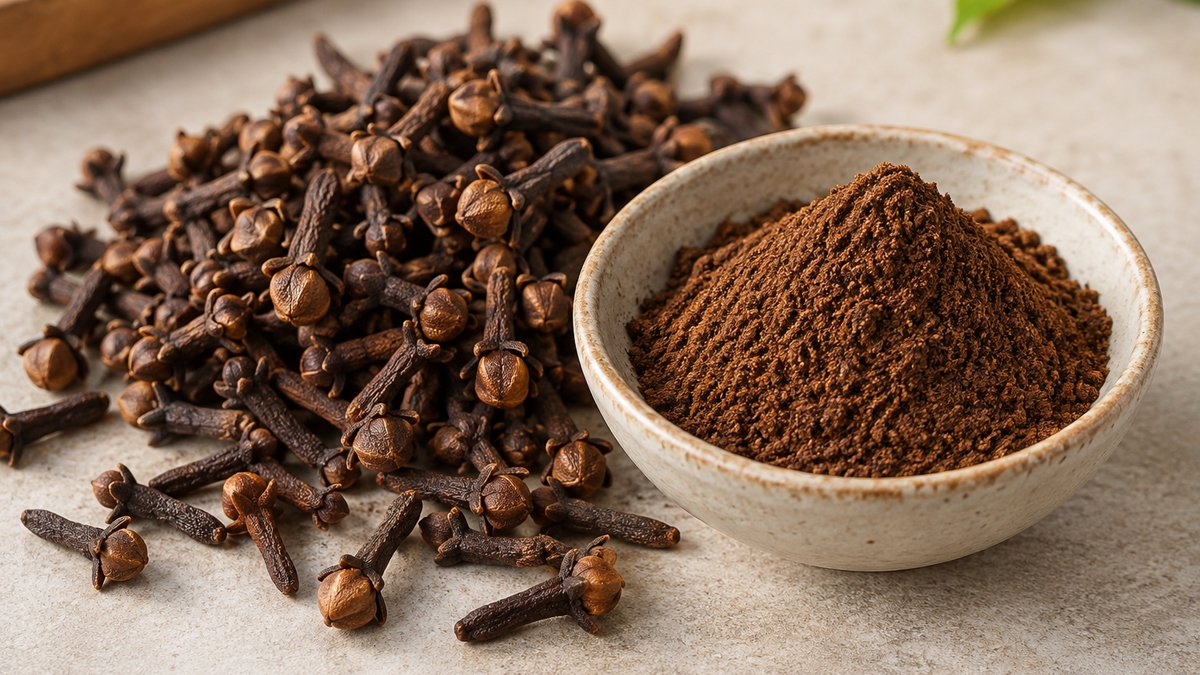
Whole cloves are dried, unopened flower buds of the clove tree. Clove powder is made by grinding those dried buds. The raw botanical material is the same; the difference is the product’s physical form and the work done before sale.
That change in form affects how a buyer can inspect, measure, blend, pack and use the spice. Whole cloves let a buyer see features such as bud shape and visible damage. Powder is ready to mix into a formulation, but its quality cannot be judged from appearance alone. Buyers sourcing from Indonesia should specify the form they need at the start of the inquiry.
The terms also affect preparation. A food manufacturer buying whole buds may need grinding equipment and a process to produce a consistent particle size. A buyer of powder gets a product that is already milled, but must define the particle size and check that the powder suits the production line. Grinding does not change the plant part used; it changes the product’s usability and the checks needed before acceptance.
Codex Alimentarius has a standard for dried cloves, and ISO 2254:2004 addresses both whole and ground (powdered) cloves. These are standards, not a single set of automatically binding rules for every shipment. The importing country’s requirements, the contract and the buyer’s intended use determine which specifications and checks apply. ISO’s status page showed ISO 2254:2004 as current when checked on 15 November 2026.
For procurement, the short answer is to buy whole cloves when visible inspection, later grinding or the whole-bud form fits the process. Choose powder when the production line needs ready-ground spice and the buyer can specify and verify the powder’s characteristics. Neither form is inherently higher quality; quality depends on the lot and its agreed specification.
2. Comparison of whole cloves and clove powder
The main differences are form, processing, inspection and handling. A quotation for one form is not directly comparable with a quotation for the other unless the buyer accounts for processing needs, usable output and the required specification.
The table describes practical differences, not a grade or legal classification. Codex CXS 344-2021 covers dried cloves, while ISO 2254:2004 specifically names whole and ground powdered cloves in its scope. Buyers should check which standard, if any, is referenced by their contract or applicable in their destination market.
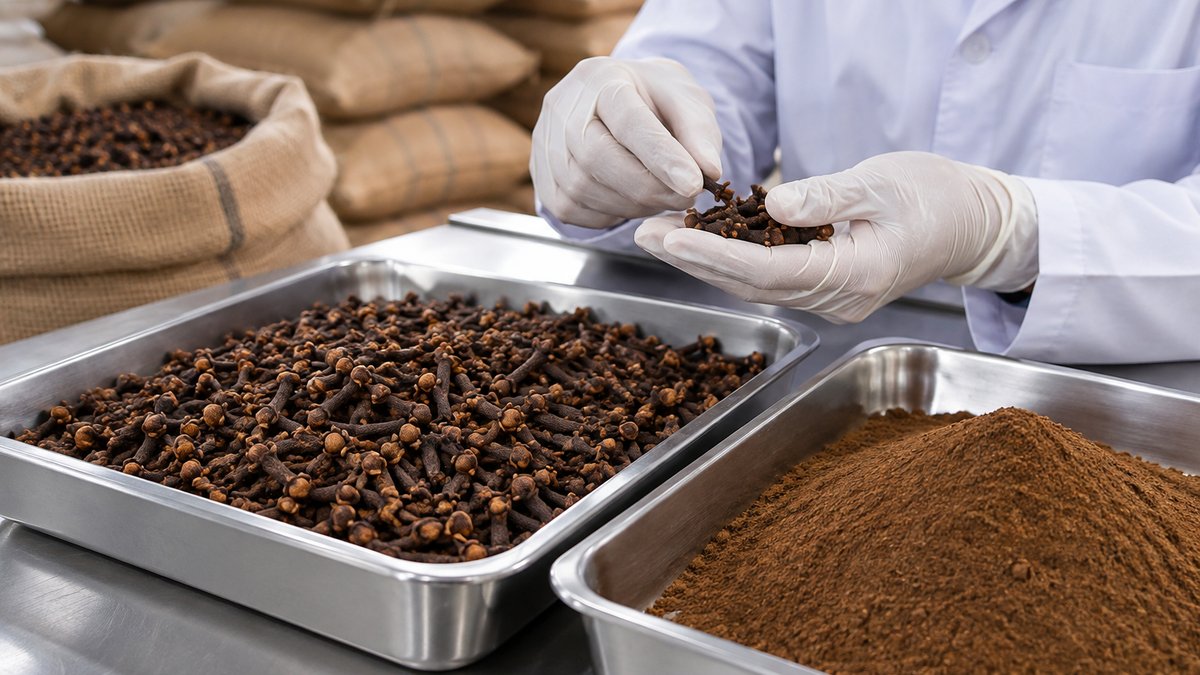
Whole buds are easier to examine visually because the buyer can inspect the physical pieces in a representative sample. That examination can help identify broken buds, visible foreign matter or inconsistent appearance. It cannot establish every quality characteristic. A visual check does not replace agreed sampling, laboratory analysis or document review when those checks are needed.
Powder requires a different inspection plan. The buyer cannot assess the original bud shape after grinding, and color by itself does not establish origin, freshness, purity or compliance. Request a representative sample, confirm the agreed particle size and identify any required test methods and acceptance limits in the purchase specification. For higher-risk or regulated uses, agree in advance which independent or supplier laboratory documents will be reviewed.
Aroma is relevant to both forms because it is part of the spice’s sensory identity. However, a strong smell alone does not prove that a lot meets the buyer’s specification. The buyer should state whether acceptance depends on a sensory review, an analytical result or both. If a result is required, the contract should name the test method, sampling procedure and acceptance criteria rather than using an undefined phrase such as “strong aroma.”
Whole spices generally retain quality longer than ground spices when stored properly, according to Penn State Extension. Grinding exposes more of the spice’s surface to the surrounding air, so powder buyers should pay close attention to pack integrity, storage conditions and the age of the lot. This general storage guidance is not a product-specific shelf-life guarantee. Set the required production date, best-before date or remaining shelf life in the contract, and confirm the applicable destination-market rules.
Grinding also adds a processing step between the raw bud and the delivered product. Buyers should clarify where grinding occurs, how the processor controls particle size and how the product is protected from moisture and contamination during processing and packing. If the powder will be used in a blended food, the buyer should also state whether the product must be single-ingredient clove powder and how that condition will be verified.
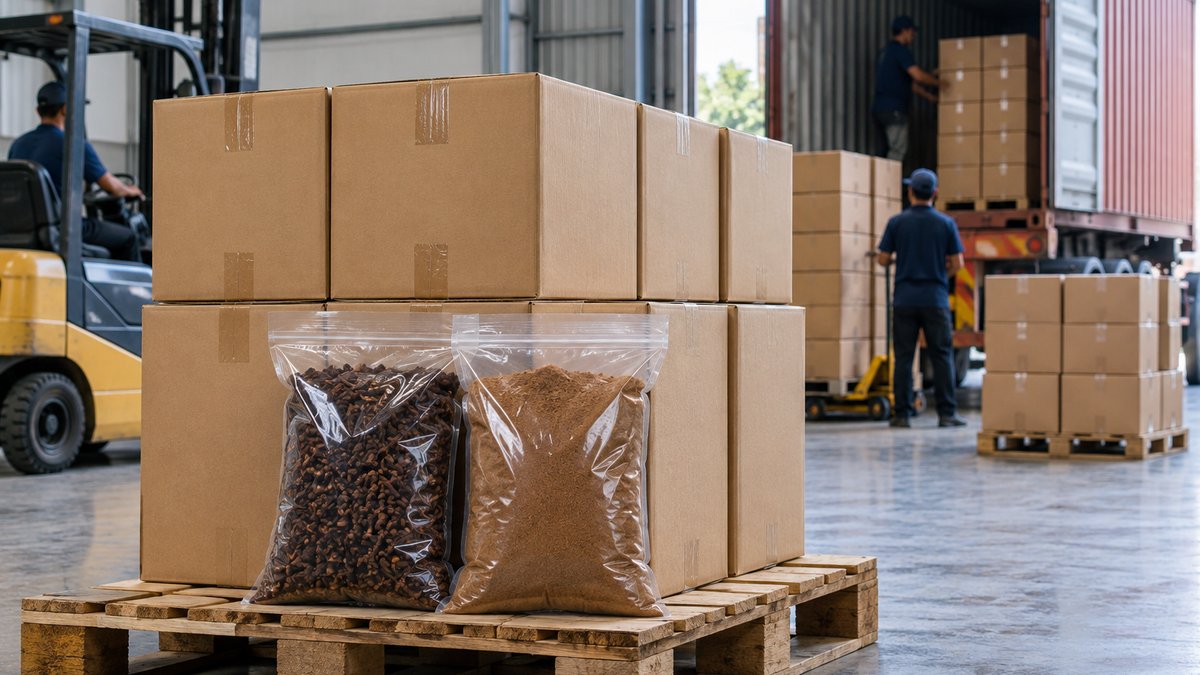
Packaging should match the form and shipment plan. Whole buds need packaging that protects the pieces from moisture and physical damage. Powder needs packaging that protects the ground product from moisture and prevents leakage or loss during handling. In both cases, specify pack material, net weight, inner and outer packaging, lot identification, storage instructions and label information required by the buyer and destination.
3. Example: matching clove form to a production line
Consider a food manufacturer buying cloves for two separate production steps. One line grinds spices at the factory as needed. Another line makes a dry blend and needs clove as a pre-ground ingredient. The first line can evaluate whole buds; the second can evaluate powder, provided the supplier can meet the buyer’s particle-size and quality requirements.
The manufacturer should compare the complete delivered options, not just the quoted price per kilogram. For whole cloves, the comparison should account for the buyer’s grinding equipment, labor, production losses and the consistency required in the finished ingredient. For powder, the buyer should account for the supplier’s processing, the specification and test evidence, and the stock-management needs of a product that has already been ground.
Illustrative inquiry format:
Product: Indonesian cloves, whole or ground, as separately quoted
Form: Whole dried buds; provide a separate offer for ground powder
Powder specification: State required particle size and how it will be verified
Quality documents: List available test results and the method used for each
Packaging: State pack material, net weight and lot identification
Commercial details: State quantity, delivery term, destination and shipment schedule
This is an illustrative inquiry format, not a universal specification. Buyers should set requirements for their product, process and destination market.
Requesting separate quotations for the two forms makes the processing difference visible. Ask suppliers to state whether the powder is made from the same type of whole cloves being offered, if that comparison matters to the purchase. Also agree whether the buyer or supplier arranges sampling, testing and inspection, and identify who pays for those steps.
For powder, particle size is a practical production requirement, not a substitute for a complete quality specification. A powder that passes through the buyer’s equipment may still differ in aroma, moisture, foreign matter or other characteristics. Define each requirement separately and agree how the supplier will demonstrate compliance.
For whole cloves, describe the appearance and condition the buyer expects, including how to treat broken or visibly damaged buds. If a grading scheme or standard is required, name it and agree its application to the shipment. General wording such as “export quality” does not tell the supplier which defects are acceptable or how they will be measured.
The shipment documents should identify the traded product consistently. Check that the invoice, packing list, product description, origin statement and any test documents use terms that match the order. If the cloves are Indonesian in origin, specify whether the contract requires the country of origin, country of harvest or both. Codex CXS 344-2021 provides for declaration of country of origin and treats country of harvest as optional within that standard; destination rules may impose their own labeling requirements.
Looking to Source Clove?
Connect with verified suppliers, discover matching products, and explore sourcing opportunities from global markets.
4. When buyers should choose each form
Choose whole cloves when the buyer needs intact buds for visual inspection, plans to grind them at the facility or wants the whole form for the intended product. Choose powder when the production line needs an ingredient ready to blend and the buyer can specify and verify the required particle size and quality.
4.1 Choose whole cloves when processing control matters
A buyer with grinding capacity can control when the cloves are ground and can match the grind to the process. This may suit production where the buyer needs to manage particle size internally or inspect incoming buds before processing. The buyer must include the equipment, labor, handling and quality-control steps in its landed-cost and production assessment.
Whole cloves can also suit applications where the intact form is part of the product or where the buyer plans to remove the buds after they release flavor during processing. In those cases, the buyer should confirm the size and condition required for its recipe or product design. The decision should follow the actual use, not a general assumption that whole cloves always produce a better result.
When buying whole cloves, make the inspection method clear. State how the sample will be drawn, what visible defects matter and whether the buyer requires laboratory results for moisture, volatile oil or other parameters. Codex and ISO provide relevant standard frameworks, but the purchase order should identify the specific version and limits that apply.
4.2 Choose clove powder when ready-to-use dosing matters
Powder can reduce a production step for manufacturers that add cloves to dry mixes, seasonings or other formulations. A buyer can order the particle size needed for its mixing and processing equipment instead of grinding the incoming product. The supplier’s ability to meet that specification should be confirmed with a sample or agreed test.
Powder may be the more practical format when the buyer’s facility cannot grind whole cloves or needs a consistent ingredient form across production runs. The buyer should confirm the powder’s sensory profile, particle size, packaging and lot traceability. If the product is required to contain only clove, state that requirement and identify the verification documents or tests expected.
A powder buyer should plan inventory around the expected usage rate and the supplier’s packing and dating information. Penn State Extension advises that whole spices generally retain quality longer than ground ones under proper storage, but a generic guideline cannot establish the remaining quality of a specific commercial lot. Review the lot’s age, storage history and agreed shelf-life requirements before purchase.
4.3 Compare equivalent offers before deciding
Ask suppliers to quote against one written specification per form. Keep product origin, quantity, packaging, delivery term, destination and shipment timing consistent when comparing offers. For powder, include particle size and any required test evidence. For whole buds, include the visual and physical requirements that affect acceptance.
Price per kilogram alone can obscure the buyer’s total cost. Whole cloves may require grinding and additional handling at the buyer’s facility; powder includes grinding before delivery. Compare the delivered product alongside processing costs, expected usable output, storage and quality-control requirements. Do not assume that the more processed form is always more expensive or that the whole form is always more economical; supplier quotations and the buyer’s own process determine the result.
Before confirming an order, settle the sampling plan, acceptance criteria, inspection timing, document requirements and remedy for a non-conforming lot. Those terms matter for both whole cloves and powder. A specific contract makes it easier for the supplier to quote the right product and for the buyer to assess delivery against the agreed requirements.
5. Related resources for clove buyers and exporters
Buyers can use ISO 2254:2004 as a reference for specifications covering whole and ground cloves, and Codex CXS 344-2021 for the international food standard covering dried cloves. Check the current standard text and the destination country’s rules before relying on any requirement in a contract. A voluntary or international standard does not automatically replace national law or buyer-specific acceptance terms.
Before requesting offers, prepare a product description that names the form, origin, quantity, packaging, delivery destination and timing. Add the buyer’s sensory, physical and analytical requirements, together with the sampling method and acceptance limits. Where the specification refers to a standard, identify the standard and version rather than relying on a broad quality label.
Exporters can make offers easier to assess by stating whether they supply whole cloves, powder or both, and by listing the specifications and documents available for each form. A powder listing should state its particle-size specification; a whole-clove listing should describe the relevant physical characteristics. Origin and harvest information should match the documents for the offered lot.
Freshdi provides a place to review clove buying requests and potential suppliers. Buyers and exporters can use those listings to identify relevant B2B opportunities, then confirm product specifications, business information and commercial terms directly through their own due diligence.
Explore clove buying requests and potential clove suppliers on Freshdi.
References
1. Codex Alimentarius Commission – Standard for Dried Floral Parts: Cloves (CXS 344-2021), 2025.
2. International Organization for Standardization – ISO 2254:2004, Cloves, whole and ground (powdered): Specification, 2004, confirmed 2026.
3. Penn State Extension – Storing Staple Ingredients in the Kitchen, 2024.
Disclaimer: This article is compiled from platform data, public sources and information provided by third parties, for general informational purposes only. We do not guarantee its accuracy or completeness. Please conduct your own due diligence before making business decisions.