
Introduction
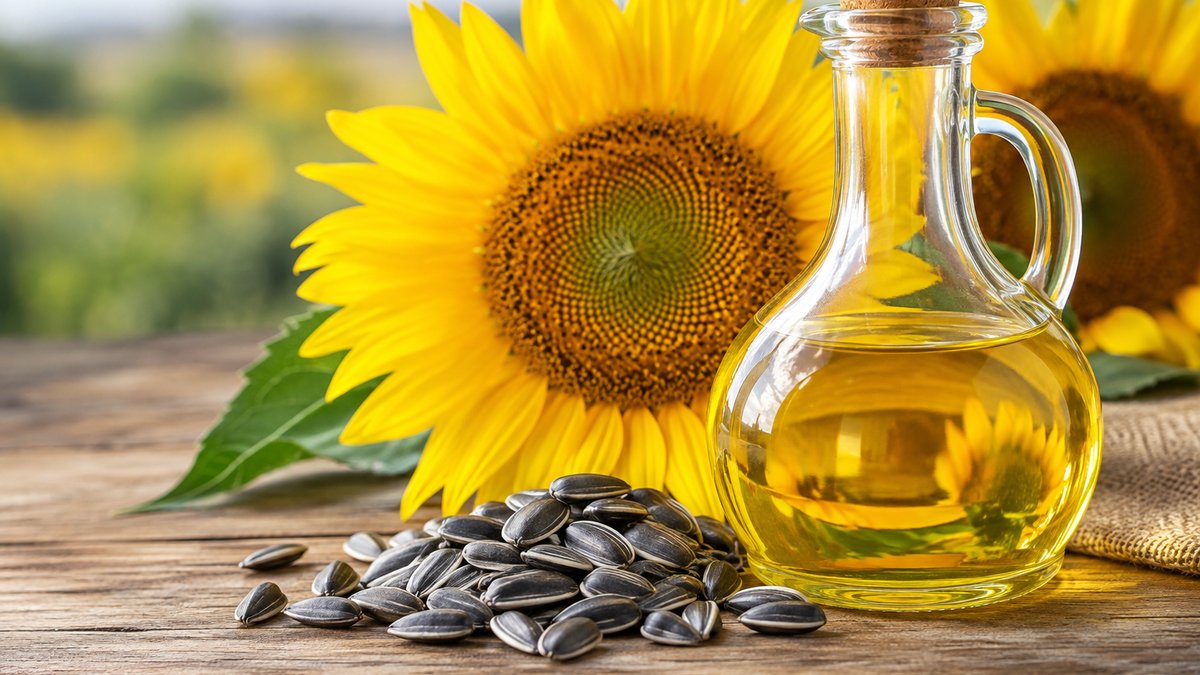
Crude sunflower oil is extracted oil that has not undergone full refining. Refined sunflower oil has received further processing to prepare it for a specified use, such as food production or retail packing. For buyers, the main difference is the oil's processing stage and whether it fits the next step in their operation.
The product name alone does not define a complete commercial specification. Extraction method, refining stage, quality limits, packaging and delivery terms can all affect whether two offers are comparable. Codex Alimentarius includes sunflower seed oil in its Standard for Named Vegetable Oils, which provides an international reference for identity and composition.
1. Crude and Refined Sunflower Oil Differ by Processing Stage
Crude sunflower oil is oil obtained from sunflower seeds before full refining. It may be pressed or solvent-extracted; the word “crude” alone does not identify the extraction route or confirm that the oil is ready for a particular food use. Refined sunflower oil has undergone additional processing. A typical refining sequence can include degumming, neutralization or physical deacidification, bleaching and deodorization. The exact sequence depends on the oil and the refinery.
Refining changes characteristics that matter to buyers, including color, odor, free fatty acids and the amount of material removed during treatment. Crude oil can retain more of its original color and odor, while refined oil is generally processed for a more neutral appearance and flavor. Those general differences do not replace batch test results or a contract specification.
Crude oil is commonly purchased as an input for further processing. Refined oil is used by businesses that need oil at a later stage of preparation, including food manufacturers, food-service operators and retail packers. A buyer should confirm that the offered oil's processing stage matches the intended use and any applicable destination-market rules.
2. Compare the Two Oils Against the Same Specifications
The comparison below describes common commercial differences. It does not set acceptance limits for a shipment. Buyers and sellers should agree the required values, test methods and product condition in the contract.

Codex CXS 210-1999 covers named vegetable oils, including sunflower seed oil, and sets provisions related to identity, composition and quality. It is an international standard; buyers still need to check the applicable rules in the destination market and state the contractual limits for the shipment. A standard name does not tell the buyer every detail of a particular lot.
Ask the supplier for a product specification and a certificate of analysis for the offered batch. For free fatty acids, confirm the unit and reporting basis. A percentage expressed as oleic acid and an acid value expressed in milligrams of potassium hydroxide per gram are different measurements. The contract should name the parameter, unit, method and acceptance limit.
The same care applies to color and appearance. A description such as “light yellow” is not a precise acceptance limit on its own. If color affects the buyer's process or finished product, specify a measurement method and acceptable range. For crude oil, agree how the parties will assess sediment or suspended matter where those characteristics matter to receiving or processing.
Crude and refined offers should not be compared by price per tonne alone. The products have different processing stages, and a price comparison can also be affected by quality limits, packaging, quantity, loading point and delivery basis. Compare offers for the same product stage and write down any differences before evaluating the quoted price.
Looking to Source Sunflower Oil?
Connect with verified suppliers, discover matching products, and explore sourcing opportunities from global markets.
3. A Refinery Buyer and a Retail Packer Need Different Products
A refinery buying oil as an input will usually assess whether crude sunflower oil meets the plant's processing requirements. The buyer's review can cover the extraction and handling history, agreed quality parameters, sampling arrangements and the refinery's ability to treat the lot. The buyer should also confirm the shipment format and whether the receiving site can unload and store it.
A retail packer sourcing finished cooking oil has a different specification to establish. The buyer may need refined oil suitable for the intended market and package, with agreed quality limits, labeling information and delivery conditions. If the oil will be bottled, the packer should also confirm how the supplier will meet the required packaging and product presentation.
These situations show why buyers should state the intended use when requesting quotations. A refinery can assess a crude input against its process. A packer can assess refined oil against its filling, labeling and distribution requirements. An offer that names only “sunflower oil” leaves the processing stage unresolved.
Illustrative inquiry format:
Product: Crude or refined sunflower oil
Intended use: Further refining, food production or retail packing
Specification: Agreed quality parameters, units, test methods and limits
Shipment: Quantity, packaging or bulk format, loading point and delivery term
Documents: Product specification and batch certificate of analysis
This is an illustrative inquiry format. Buyers should set the parameters and shipment details to match their own process and destination requirements.
4. Choose the Oil That Fits the Next Processing Step
Choose crude sunflower oil when the buyer's operation is set up to refine or further process the oil and the lot meets the plant's agreed input specification. Before purchase, confirm the extraction route if it matters to the process, required quality limits, sampling procedure, storage conditions and unloading arrangements.
Choose refined sunflower oil when the buyer needs oil at a later processing stage for a specified food or packing operation. Confirm the level of refining and whether the product has any additional treatment required for the intended use. If clarity at lower temperatures matters, ask whether the oil has been dewaxed or winterized; do not assume that the word “refined” answers that question.
Sunflower oil also comes in different fatty-acid types, including conventional and high-oleic oil. Refining stage and fatty-acid type describe different product attributes. A buyer who needs a specific fatty-acid profile should name it separately and request results for the offered lot. Codex includes compositional characteristics for sunflower seed oil, while commercial acceptance should be set out in the contract.
Before signing, match the product description, quality limits, test methods, packaging, quantity, loading point, destination and delivery term across the contract and supplier documents. Confirm which party arranges sampling and what happens if test results fall outside the agreed limits. Those details give both parties a clear basis for receiving and assessing the shipment.
Buying consideration: For each offer, record the processing stage and intended use first, then compare the agreed quality parameters, shipment format and delivery basis. This prevents a crude-oil offer and a finished-oil offer from being treated as interchangeable quotations.
5. Related Sunflower Oil Sourcing Resources
Buyers can use current Oil & Fats buying requests and supplier listings on Freshdi to review sourcing opportunities related to sunflower oil. Check each listing's stated product details and commercial terms against the specification your business needs.
Once the required processing stage and specification are clear, buyers can compare relevant requests and supplier listings on Freshdi.
View Latest Oil & Fats Buying Requests →View Potential Oil & Fats Suppliers →

References
1. Codex Alimentarius – Standard for Named Vegetable Oils, CXS 210-1999, Amended 2024; 2025 corrigenda.
2. Transport Information Service – Sunflower oil, Undated; accessed November 22, 2026.
3. Foods – Effect of refining on quality and composition of sunflower oil, 2015.
Disclaimer: This article is compiled from platform data, public sources and information provided by third parties, for general informational purposes only. We do not guarantee its accuracy or completeness. Please conduct your own due diligence before making business decisions.