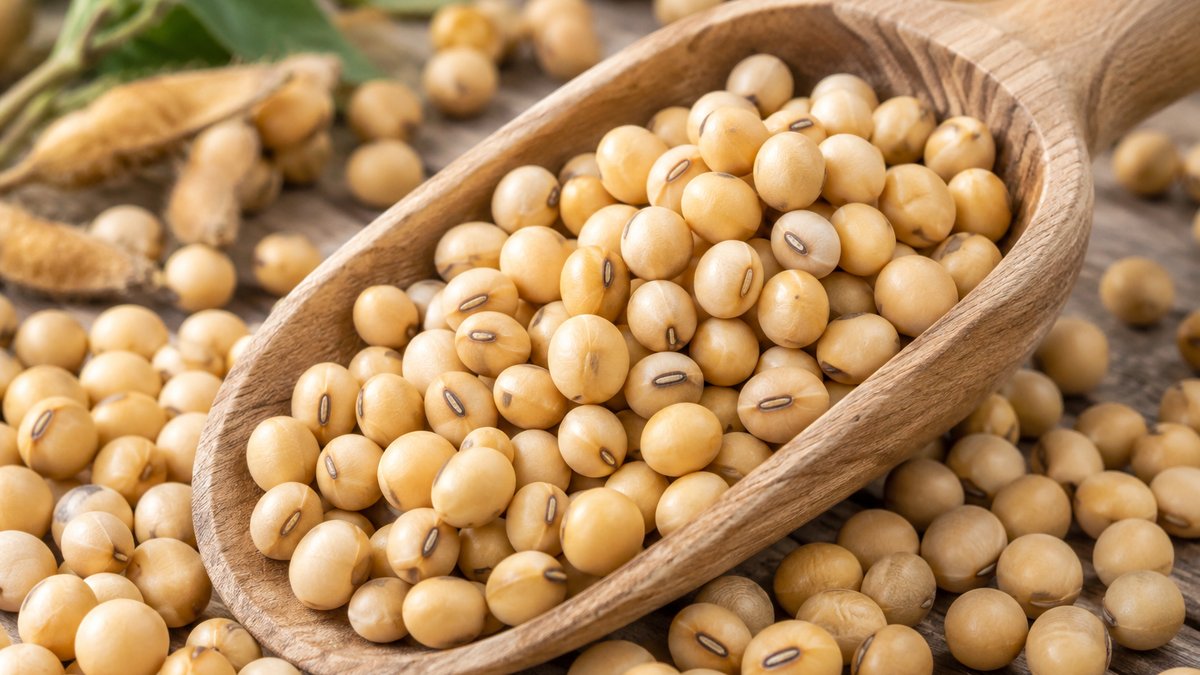

1. GMO and Non-GMO Soybeans Differ in Production and Verification
GMO soybeans come from varieties developed using genetic engineering; non-GMO soybeans are sourced and handled to meet a buyer's requirement that they are not genetically modified, under the definition and tolerance agreed for the transaction. That distinction concerns the crop's identity and supply chain. It does not by itself specify the beans' grade, protein or oil content, moisture, cleanliness, or intended use.
Terminology depends on the rule being applied. The U.S. National Bioengineered Food Disclosure Standard uses “bioengineered” for covered foods containing detectable genetic material modified through specified laboratory techniques. USDA lists soybean among the crops available in bioengineered forms. This is a food-disclosure definition, not a grading standard for bulk soybeans and not a general definition for every export contract.
In trade, a label such as “non-GMO” needs supporting evidence that matches the buyer's requirement. A buyer may ask for records showing the seed source, segregation during storage and transport, and test results for the shipment. The contract should say what definition applies, what threshold is acceptable, and which documents or verification process will establish compliance.
The commercial distinction is therefore about market access and procurement specifications. One buyer may accept GMO soybeans for a permitted use, while another may require non-GMO beans for a product, processing line, or market claim. Neither term tells the buyer whether the shipment meets physical quality requirements.
2. GMO vs Non-GMO Soybeans: Commercial Comparison
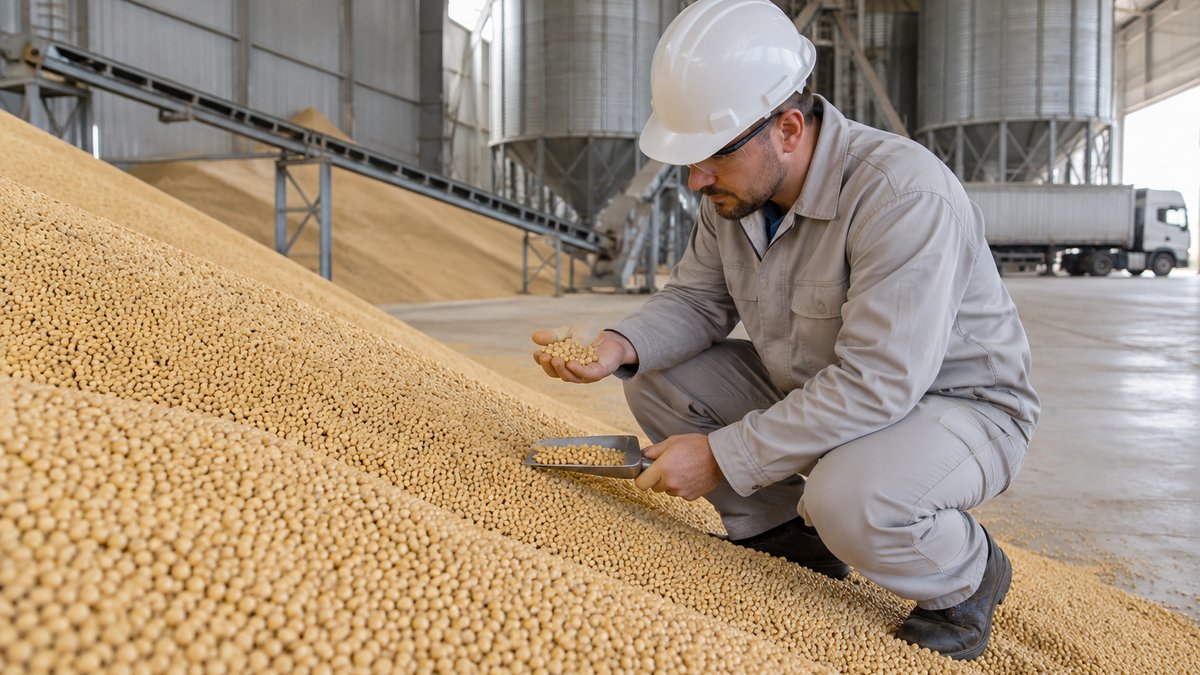
Buyers should compare the identity claim separately from the physical grade. USDA’s U.S. soybean grading standards assess factors such as damaged kernels, foreign material, splits, and other grade requirements. GMO status is not one of those grading factors.
Thresholds and exemptions require careful wording. EU rules generally require traceability and labelling for covered GMO food and feed. The European Commission says the labelling requirements do not apply to presence at or below 0.9% for each food or feed ingredient when that presence is adventitious or technically unavoidable. That is a defined regulatory exemption, not a universal commercial tolerance or an automatic guarantee that a shipment satisfies a buyer's non-GMO contract.
U.S. rules have a different scope. The National Bioengineered Food Disclosure Standard applies to specified food products and regulated entities. USDA says that highly refined foods or ingredients without detectable modified genetic material are not bioengineered foods under that standard. Importers and processors should check the rule for the specific product and sale channel instead of treating a retail food disclosure rule as a bulk-grain specification.
Buying consideration: For a comparable quotation, specify GMO status separately from grade and quality factors. Ask each supplier to quote the same variety status, physical specification, inspection basis, packaging, quantity, destination, and delivery term.
3. Example: A Buyer Requests Non-GMO Soybeans for an EU Shipment
An EU-bound purchase illustrates why the claim, evidence, and physical specification belong in the same contract but should remain separate requirements. The importer needs to confirm the applicable food or feed rules for the product and use, then state the commercial non-GMO conditions it expects the exporter to meet.
Illustrative soybean inquiry:
Product: Whole soybeans for the buyer's stated processing use
Identity requirement: Non-GMO, using the definition and acceptable threshold stated in the contract
Verification: Specify required supplier records, sampling procedure, testing method, and accepted laboratory documentation
Physical specification: State grade or agreed limits for moisture, damaged kernels, foreign material, splits, and other relevant factors
Shipment details: State quantity, packaging or bulk handling, delivery term, destination, and required documents
This is an illustrative inquiry format, not a universal specification or statement of EU legal requirements.
The buyer should request evidence that covers the lot offered, not only a general statement about the supplier's usual production. USDA's voluntary Identity Preservation Program describes verification of a product's specified characteristic through identification, segregation, and traceability across requested stages of the supply chain. It also requires a documented quality management system and includes laboratory testing. Such a program is one possible verification route; a buyer should not assume that every non-GMO claim uses it.
Before shipment, buyer and seller should agree who takes samples, how samples are sealed and retained, which test method applies, and what happens if a result falls outside the contract. They should also specify whether a test result applies to the whole shipment or to a sampled lot. Without those terms, two parties can receive different results and still have no agreed procedure for resolving the dispute.
The importer must also confirm the EU's traceability and information duties for the actual shipment. The European Commission describes written information passing through the supply chain for covered GMO products and records kept for five years after each transaction. Requirements vary with product status and the relevant rules, so the importer should confirm the documents needed for that particular lot.
Buying consideration: Before paying a premium or accepting a non-GMO claim, confirm that the contract defines the threshold, verification evidence, sampling, rejection process, and destination-specific obligations.
Looking to Source Soybean?
Connect with verified suppliers, discover matching products, and explore sourcing opportunities from global markets.
4. When Should Buyers Choose GMO or Non-GMO Soybeans?
Choose the soybean specification that matches the buyer's end use, destination rules, and downstream customer requirements. The production claim alone does not establish nutritional value, safety, or physical quality. USDA notes that a bioengineered food disclosure does not communicate health, safety, or environmental attributes compared with non-bioengineered counterparts.
4.1 Choose GMO soybeans when the buyer accepts that status
GMO soybeans may fit a purchase when the buyer's processing use and destination permit the specified varieties and the buyer does not require a non-GMO claim. The contract still needs to identify applicable regulatory duties and any customer disclosure requirements. A buyer purchasing for crushing, feed, or another industrial use should verify those details for the destination and final product rather than assume one rule covers every use.
Request the seller's variety or status declaration and the records needed for the transaction. If the product will be processed into food or feed, check whether the rules apply to the raw beans, the processed ingredient, or both. In the United States, the bioengineered-food disclosure standard is tied to the covered food and detectability criteria; in the EU, GMO food and feed rules include traceability and labelling provisions.
4.2 Choose non-GMO soybeans when the buyer requires a documented claim
Non-GMO soybeans may fit a buyer's specification when a downstream customer requires that status or the buyer needs to maintain a non-GMO product line. Buyers should test whether the supplier can document the claim from sourcing through shipment. Segregation procedures, transaction records, and testing may all be relevant, depending on the agreed standard.
Write the intended claim into the purchase specification, including the definition and any tolerance. If the buyer requires a level stricter than a destination's regulatory threshold or exemption, state that separately. “Non-GMO” alone does not tell the seller which threshold, sampling plan, or evidence the buyer will accept.
4.3 Keep identity claims separate from grade and use
A non-GMO lot can still fail a buyer's moisture, damage, cleanliness, or processing requirements. A GMO lot can meet the physical grade the buyer requested. Buyers should put identity verification and physical inspection in separate contract clauses so each result has a clear standard and remedy.
- Confirm the destination country, final use, and any applicable food or feed rules before requesting offers.
- Define whether the shipment must be GMO, non-GMO, or meet another named identity specification.
- Set the threshold, sampling procedure, test method, and acceptable supporting records in writing.
- Specify physical grade and quality factors independently, using stated limits and an agreed inspection basis.
- Agree how the parties will handle a disputed result, including retained samples, retesting, and the contract remedy.
Buying consideration: Ask suppliers to quote against one complete specification. If non-GMO status is optional, request separate offers only when the buyer can compare the same grade, delivery terms, quantity, and verification basis.
5. Related Soybean Sourcing Resources
For a soybean purchase, prepare the destination, intended use, identity requirement, physical specification, quantity, and shipment terms before comparing suppliers. Buyers can review current soybean buying requests on Freshdi, and exporters can review soybean supplier listings. Treat each listing as a starting point for checking the stated requirements and business details.
Once the soybean identity and grade requirements are clear, compare current requests with supplier listings that match the specification.
View Latest Grains, Cereal & Legumes Buying Requests →View Potential Grains, Cereal & Legumes Suppliers →
References
1. USDA Agricultural Marketing Service – Industry Fact Sheet: National Bioengineered Food Disclosure Standard, Accessed November 22, 2026.
2. USDA Agricultural Marketing Service – United States Standards for Soybeans, Effective September 1, 2023.
3. European Commission – Traceability and Labelling of Genetically Modified Organisms, Accessed November 22, 2026.
4. USDA Agricultural Marketing Service – Identity Preservation Program, Accessed November 22, 2026.
Disclaimer: This article is compiled from platform data, public sources and information provided by third parties, for general informational purposes only. We do not guarantee its accuracy or completeness. Please conduct your own due diligence before making business decisions.