
Introduction
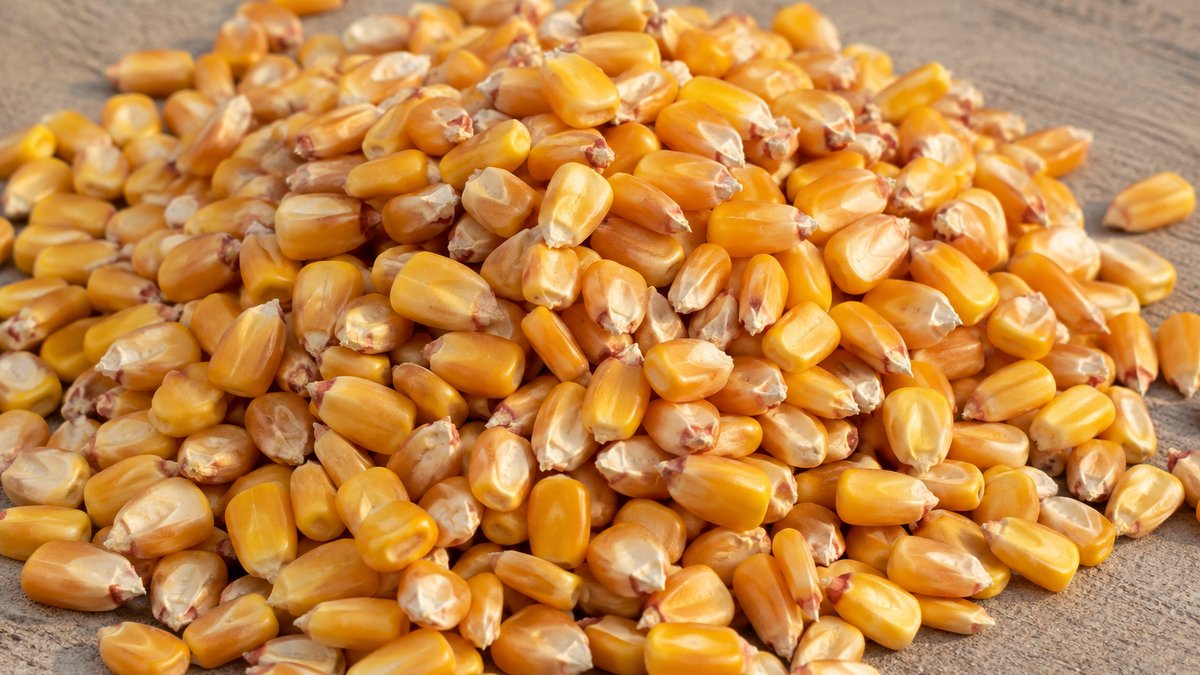
Yellow corn and white corn are color classes of maize. Their color often corresponds to different commercial uses: yellow corn is commonly traded for animal feed and industrial processing, while white corn is often grown for food markets. Those are market patterns, not guarantees about a particular lot.
For importers and exporters, color is only one part of the specification. Grade, moisture, foreign material, intended processing, food or feed requirements, and the destination market should be agreed separately.
1. Yellow Corn and White Corn Differ in Kernel Color and Common Market Use
Yellow corn has yellow kernels; white corn has white kernels. In the United States, USDA standards also define how much corn of other colors a lot can contain and still be classified as yellow or white. The classification describes color, not the lot's overall grade or fitness for a buyer's process.
Commercial use often differs. OECD and FAO describe yellow maize as predominantly used for animal feed and white maize as produced for food in several regions. Actual demand depends on local diets, processors, feed formulations, and the characteristics specified by the buyer. Both colors can have food or other uses when the product and buyer requirements match.
A color name alone does not establish moisture content, test weight, kernel damage, foreign material, starch characteristics, variety, or whether a lot meets food-safety or feed requirements. A contract should state those requirements instead of relying on color as a proxy for quality.
The color percentages above come from the United States Standards for Corn, which apply to U.S. grading. They are not a universal grading rule for every origin or destination. Under those standards, corn that meets neither the yellow nor white color requirements is classified as mixed corn; the definition also includes white-capped yellow corn.
The U.S. standards treat class and grade as separate information. Numerical grades use measures such as test weight, damaged kernels, and broken corn and foreign material. A buyer who contracts for yellow corn still needs to state the required grade or inspection limits and any separate moisture requirement.
In practice, the terms are most useful as an initial product description. A processor buying white corn for a specified food process needs details about the grain and the process, while a feed buyer purchasing yellow corn needs the feed specification and quality limits. Neither party can establish that a shipment conforms from color alone.
2. A Corn Contract Needs More Than a Color Name
A buyer comparing offers for yellow and white corn should first identify the intended use and the destination requirements. Those details determine what to request for quality, inspection, documentation, and acceptance. The color term by itself leaves important contract questions unanswered.

Consider a hypothetical importer buying grain for a mill that produces a food ingredient. The importer receives one offer for yellow corn and another for white corn. Before comparing prices, the buyer should ask whether each lot is suitable for the mill's process, what grade or measurable limits apply, and which tests will determine acceptance. The importer also needs to state the required quantity, delivery point, shipment timing, packaging or bulk-loading method, and destination-market requirements.
A feed buyer would set up the comparison differently. The buyer should provide the feed use and formulation requirements to the supplier, then agree on measurable quality limits and sampling procedures. A seller should not assume that a yellow color designation makes a shipment suitable for every ration or that a white lot is unsuitable for feed. Those decisions depend on the buyer's specification.
For either transaction, the parties can make offers easier to compare by writing down the same information for every lot:
- Color class and the grading standard or contract definition being used.
- Grade, test-weight requirement, maximum damaged kernels, and broken corn and foreign material limits, where applicable.
- Moisture limit and the method or point at which it will be measured.
- Intended use and any additional food, feed, or processing specifications.
- Sampling, inspection, and acceptance procedures, including who arranges inspection and when results are final.
- Quantity, shipment period, delivery location, packaging or bulk-loading requirements, and agreed trade and payment terms.
The United States Standards for Corn list grade factors separately from color class. For example, the U.S. numerical grades set limits for test weight, damaged kernels, and broken corn and foreign material. The standard says moisture is specified by the contract or load-order grade. Buyers and sellers should confirm which national standard or contractual method applies to their shipment rather than assuming the U.S. thresholds govern an international sale.
Illustrative inquiry format:
Product: Yellow corn, or white corn, as required for the buyer's intended use
Standard: Name the grading standard or attach the agreed contract specification
Quality: State grade, moisture, test weight, damage, and foreign-material limits
Use: Describe the feed, food, or processing application
Inspection: State sampling method, inspection point, and acceptance procedure
Shipment: State quantity, delivery location, shipment period, and packaging or bulk format
This is an illustrative inquiry format. The final terms should reflect the buyer's actual process, destination rules, and contract.
If the contract uses a color threshold from a particular standard, name that standard and its jurisdiction. Also agree how the shipment will be sampled and what happens if inspection results fall outside the agreed limits. That prevents a disagreement over whether a label such as “yellow corn” or “white corn” alone defines acceptable quality.
Looking to Source Yellow Corn?
Connect with verified suppliers, discover matching products, and explore sourcing opportunities from global markets.
3. Choose Corn by the Intended Use and the Buyer’s Specification
Choose yellow or white corn according to the product the buyer needs to make, the local market's color preference, and the supplier's ability to meet the full specification. The broad market pattern can guide a first discussion, but the production process and written contract decide whether a particular lot fits.
3.1 When yellow corn fits the requirement
Yellow corn is a common starting point for buyers sourcing maize for animal feed and some industrial uses. USDA's Economic Research Service describes corn as a major feed-grain input and also notes its use in food and industrial products. Those broad uses apply to corn generally; they do not mean that every yellow-corn lot meets a buyer's nutritional, processing, or quality limits.
For a feed purchase, provide the formulation or quality parameters the supplier must meet and state the accepted inspection method. For industrial processing, identify the process and any relevant requirements for starch, kernel condition, or other characteristics. The buyer should verify those properties from the agreed specification or test results rather than infer them from kernel color.
3.2 When white corn fits the requirement
White corn is often considered for food markets where processors or consumers specify white grain or a white finished product. OECD and FAO describe white maize as food-oriented in several producing regions, but preferences and supply conditions differ across markets. A seller should confirm that the buyer wants white grain for its actual product and process.
A food buyer should specify the required grain type and processing performance, along with the applicable quality and safety criteria. The contract should also identify the destination's applicable rules and any buyer testing requirements. A white color class does not itself certify food-grade status or prove compliance with a destination's regulations.
3.3 When color does not settle the choice
If the buyer's decision depends on nutritional composition, milling performance, cooking behavior, or feed value, request evidence for that characteristic directly. Color can reflect a visible kernel trait, but the class definition does not provide a full analysis of the grain. Buyers should use product specifications, test results, or processing trials when the decision depends on a property not covered by the class name.
The same care applies when comparing supplier quotations. Two offers with different colors may also differ in grade, moisture, delivery point, inspection terms, or shipment timing. Compare those terms on the same basis before judging the commercial difference. Where the buyer can use either color, ask suppliers to quote each option against the same stated requirements.
Buying consideration: Before requesting quotations, decide whether the end product requires a particular color, then put the relevant grade, quality limits, intended use, sampling procedure, and delivery terms into the inquiry. If color is flexible, say so and ask suppliers to identify the standard and quality data for each offered lot.
4. Related Corn Sourcing Resources
The USDA corn class and grade definitions cited here were checked on November 22, 2026. They describe U.S. standards; a buyer should confirm the standard and regulatory requirements applicable to the shipment's origin and destination.
For current commercial discussions, buyers and exporters can use Freshdi to review Yellow Corn buying requests and potential Yellow Corn suppliers. Listings are a starting point for checking stated requirements and product information; the parties should confirm specifications and commercial terms for each transaction.
References
1. U.S. Department of Agriculture, Agricultural Marketing Service – United States Standards for Corn, 7 CFR Part 810, 2026.
2. U.S. Department of Agriculture, Economic Research Service – Corn and Other Feed Grains, Accessed November 22, 2026.
3. OECD and Food and Agriculture Organization of the United Nations – OECD-FAO Agricultural Outlook 2020-2029, Cereals: Maize, 2020.
Disclaimer: This article is compiled from platform data, public sources and information provided by third parties, for general informational purposes only. We do not guarantee its accuracy or completeness. Please conduct your own due diligence before making business decisions.