
1. Parboiled Rice vs Non-Parboiled White Rice: The Core Difference
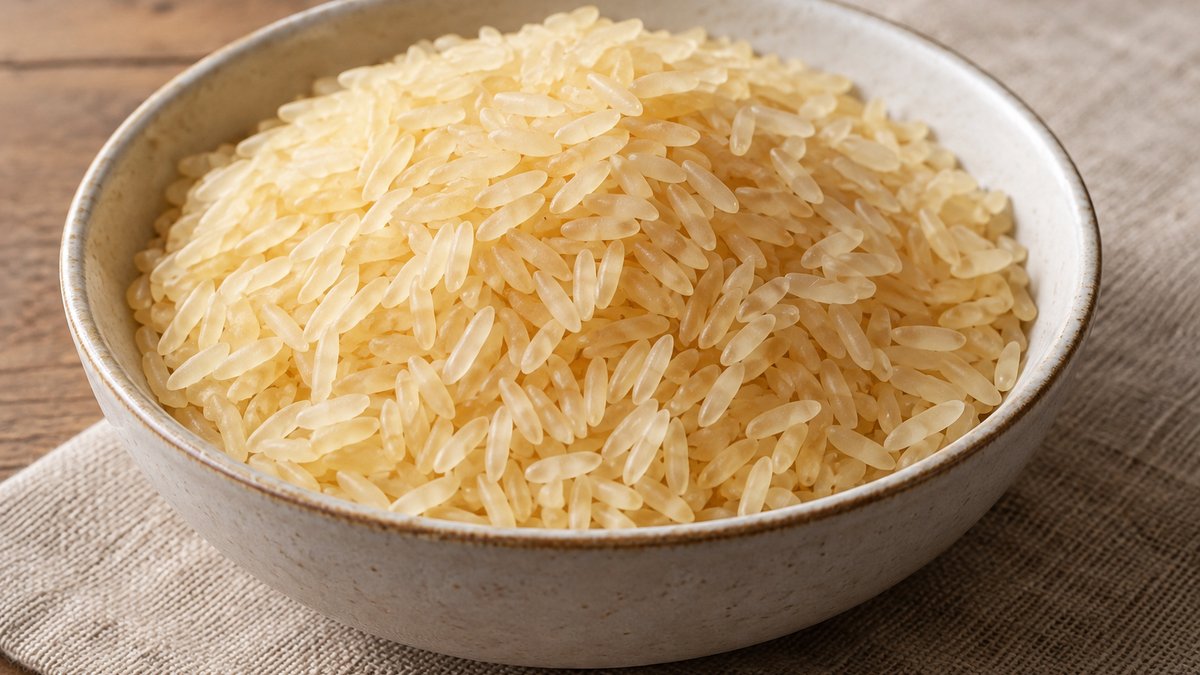
Parboiled rice is paddy or husked rice that has been soaked, heat-treated until its starch gelatinizes, and dried. Non-parboiled white rice is milled rice that has not gone through that hydrothermal treatment. The process changes the grain’s milling behavior, appearance and cooking texture.
The terms describe different product attributes, so they are not strict opposites. The Codex Standard for Rice defines white rice by milling: husked rice from which some or all of the bran and germ have been removed. It defines parboiled rice by treatment and allows it to be husked or milled. A buyer comparing finished white rice should therefore specify parboiled milled rice against non-parboiled milled white rice.
This distinction prevents an avoidable contract ambiguity. “Parboiled rice vs white rice” is common shorthand, but a shipment described only as “white rice” could leave its parboiling status unclear. State both the milling form and whether the rice is parboiled.
For buyers, the practical choice is usually about the required grain performance and the buyer’s processing or cooking use. Parboiled rice often cooks up firmer and less sticky than non-parboiled rice of a comparable variety. Variety, degree of milling and cooking method also affect the result, so a product name alone cannot guarantee a specific texture.
2. How Parboiled and Non-Parboiled White Rice Compare
The main difference starts before milling. According to the Codex Standard for Rice, parboiled rice undergoes soaking, heat treatment and drying; milling then determines whether the finished product is husked or white. Non-parboiled white rice is milled without that preceding parboiling treatment.

The International Rice Research Institute notes that parboiling can improve the proportion of whole kernels recovered during milling because gelatinization helps mend cracks and fissures. That is a processing effect, not a guarantee for every shipment: paddy quality, treatment control, drying and mill settings still affect the result.
Color is a useful visual check, but it does not replace a specification. The Food and Agriculture Organization’s technical account describes parboiled rice color as cream to yellow depending on heat-treatment intensity. Buyers should set an acceptable color range or approve a reference sample when appearance matters to the end market.
Nutritional comparisons also need care. FAO describes the inward movement of water-soluble vitamins during parboiling, while noting that heat treatment can also degrade some thiamine. The degree of milling affects the final grain too. Buyers making a nutrition claim should verify the product’s actual composition and any applicable labeling rules rather than relying on the term “parboiled.”
3. An Illustrative Sourcing Scenario for a Foodservice Buyer
Consider a foodservice buyer who needs cooked rice to remain firm and separate during holding. Parboiled milled rice may fit that performance target because it tends to be less sticky after cooking. A buyer whose recipe calls for a softer or stickier result may prefer a suitable non-parboiled variety. These are starting points for evaluation, not universal product rules.
The buyer should compare samples prepared under the same conditions. Use the same water ratio, cooking equipment, batch size and holding time for each sample, then record the result. A supplier’s general description cannot substitute for a test against the buyer’s actual kitchen process.
Illustrative inquiry format:
Product: Parboiled milled rice or non-parboiled milled white rice
Variety and grain type: State the required variety and grain-length class
Milling and broken kernels: State the degree of milling and maximum broken percentage
Moisture and quality: State contract limits and the inspection method
Packaging and shipment: State bag size, total quantity, destination and delivery term
This is an illustrative inquiry format. The buyer should set values and requirements for the intended market and use.
For a fair quotation comparison, ask each supplier to quote the same variety, crop or packing details where relevant, milling degree, broken-kernel limit, moisture basis, packaging and delivery term. If one offer is for parboiled rice and another is for non-parboiled rice, keep them as separate product comparisons unless the buyer has tested both for the same use.
Codex defines rice quality factors and classification terms, while contract requirements can be more specific. Write the agreed product name and measurable quality limits into the purchase specification, and confirm the sampling and analysis method before shipment.
Looking to Source Parboiled Rice?
Connect with verified suppliers, discover matching products, and explore sourcing opportunities from global markets.
4. When Should Buyers Choose Each Type?
Choose parboiled milled rice when the buyer’s process benefits from firmer, less sticky cooked grains or when the miller’s whole-kernel recovery is relevant to the supply specification. These characteristics can suit buyers who need the cooked grain to hold its shape, but the buyer should confirm performance with a representative sample.
Choose non-parboiled white rice when the buyer’s recipe, customer preference or processing line calls for that product’s cooking behavior and appearance. Variety and milling degree remain important: non-parboiled rice is not one uniform texture or grade, and neither color nor the word “white” identifies the variety.
For either option, compare delivered products on the same basis. Confirm whether the rice is husked or milled, parboiled or non-parboiled, the variety, grain-length class, degree of milling, broken-kernel limit, moisture limit, packaging and inspection method. Codex’s standard applies to rice for direct human consumption, but destination requirements and the purchase contract may set additional or different conditions.
Ask for a sample or agree on an inspection plan when cooking behavior, color or whole-kernel percentage affects acceptance. Check how the sample was prepared and whether the inspection method matches the contract. Do not infer one attribute from another: a parboiled label does not by itself specify variety, broken percentage, degree of milling or exact cooked texture.
5. Related Rice Resources for Buyers
Use the Codex Standard for Rice to check recognized definitions for husked, milled and parboiled rice, alongside its quality and labeling provisions. ISO 7301:2021 also covers rice for international trade and defines both milled rice and parboiled milled rice. These standards provide a common vocabulary; buyers still need to state the product limits and destination requirements that apply to their contract.
The FAO’s technical chapter on rice post-harvest processing explains how soaking, heat treatment and drying affect parboiled grain. The International Rice Research Institute’s consumer guide summarizes effects on milling, color and cooking. These references support product evaluation, but a shipment should be assessed against the buyer’s written specification and sample.
Buyers comparing current rice offers can review relevant Parboiled Rice buying requests on Freshdi. Check each request’s stated product details and commercial terms before deciding whether it matches your sourcing needs.

References
1. Codex Alimentarius Commission – Codex Standard for Rice, CXS 198-1995, 1995.
2. International Organization for Standardization – ISO 7301:2021, Rice: Specification, 2021.
3. Food and Agriculture Organization of the United Nations – Rice in Human Nutrition: Rice Post-Harvest Processing, Parboiling and Home Preparation, 1993.
4. International Rice Research Institute – A Consumer’s Guide to Rice, 2012.
Disclaimer: This article is compiled from platform data, public sources and information provided by third parties, for general informational purposes only. We do not guarantee its accuracy or completeness. Please conduct your own due diligence before making business decisions.