
1. Frozen beef and chilled beef differ in temperature and planning needs
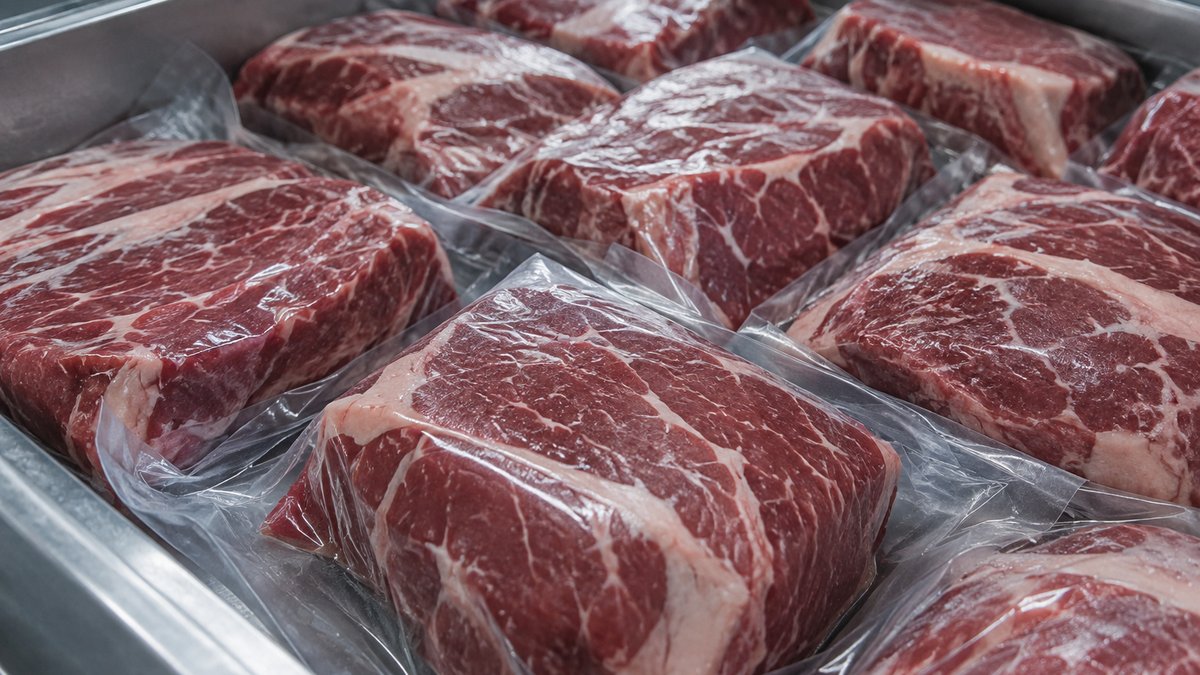
Frozen beef has been brought below its freezing point and is kept frozen through storage and transport. Chilled beef is kept cold without being frozen. That difference affects the temperature range a shipment must maintain, the buyer’s delivery schedule and the handling needed before the meat is prepared.
The terms describe the product’s temperature condition, not its cut, breed, grade, fat level, origin or food-safety status. A buyer can source the same cut in either condition, subject to the supplier’s product range and the destination’s rules. Confirm those attributes separately in the specification.
Temperature limits depend on the applicable regulation, product category and contract. For example, the United Nations Economic Commission for Europe’s Agreement on the International Carriage of Perishable Foodstuffs (ATP), in the version available on 22 November 2026, sets a maximum temperature of +7°C for red meat during carriage under its chilled-food provisions. That is a transport limit within the ATP framework, not a universal target for every product or market.
For frozen storage, the Food and Agriculture Organization’s meat cold-store manual describes common storage temperatures of -18°C to -25°C and notes that product temperature and conditions depend on the meat and intended storage. The manual describes meat as frozen when its centre reaches -12°C or below. Buyers should not treat that older technical description as a current import rule: confirm the importing country’s requirements and the temperature written into the purchase contract.
Neither condition tells a buyer which beef will suit a particular customer. A chilled product may fit a short, well-managed distribution route; frozen beef may fit a sourcing plan that needs frozen storage and delivery. The choice depends on the buyer’s planned use, supply route, cold-storage capacity and required delivery window.
2. Compare frozen beef and chilled beef before placing an order
Compare the two products on their physical condition, temperature controls and handling plan. A quotation that names only “beef” leaves buyers without enough information to establish whether the offered product matches their cold chain.
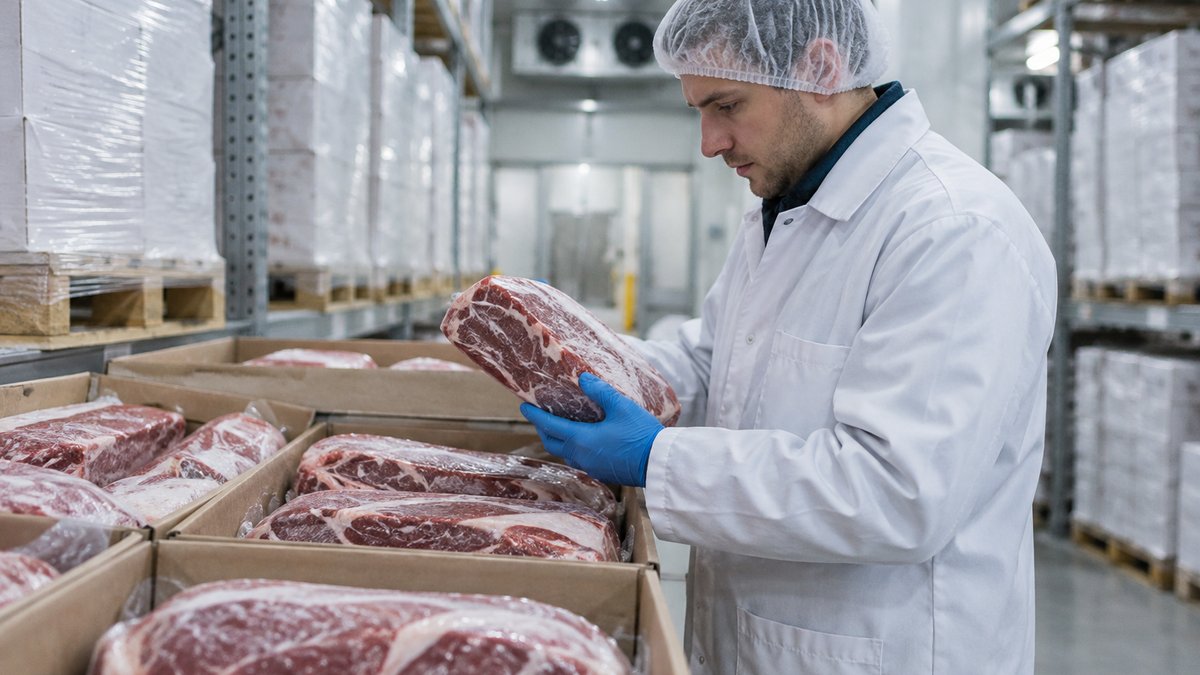
The labels alone do not establish shelf life. Storage time depends on processing, packaging, hygiene, temperature history and the product specification. FAO’s cold-store manual gives practical storage-life estimates for particular beef products and temperatures, but those estimates should not replace a supplier’s validated shelf-life information or a destination’s legal requirements.
The European Union provides one example of why the product form and destination matter. Regulation (EC) No 853/2004 specifies that certain meat products must be chilled or frozen to stated internal temperatures, with the required conditions maintained during storage and transport. The cited provisions apply within the EU’s legal framework and to the product categories they cover. They should not be applied automatically to a shipment entering another market.
Buyers should also keep product condition distinct from quality grade. A frozen striploin and a chilled striploin can differ in temperature history while sharing the same cut name; neither label confirms marbling, trimming, age, origin or inspection status. Put each required quality and identity attribute into the purchase specification and request supporting documentation where applicable.
If the product will be sold or processed after thawing, agree how it will be identified and handled. The United States Department of Agriculture’s Food Safety and Inspection Service advises thawing beef in the refrigerator, cold water or a microwave rather than on the counter. That consumer guidance does not replace commercial procedures, but it underlines why the receiving and downstream handling plan should be agreed before shipment.
Buying consideration: Before comparing offers, ask each supplier to quote the same cut, specification, packaging, quantity, delivery point and temperature condition. Record the required temperature at loading, during transit and at receipt, along with the documents or monitoring records your buyer, carrier or importing authority requires.
3. A buyer compares frozen and chilled beef for a planned delivery
Consider a buyer sourcing boneless beef for a food-processing facility. The facility can receive either product condition, but its receiving team needs advance notice of the temperature, packaging and delivery timing. The buyer should ask suppliers to quote separately for frozen beef and chilled beef rather than treating them as interchangeable offers.
Illustrative inquiry format:
Product: Boneless beef, with cut and grade stated
Condition: Frozen or chilled; quote each option separately
Quantity: State the required quantity and unit
Packaging: State the required pack format and weight
Temperature: State the applicable product and transport limits
Destination: Name the destination market and delivery point
Documents: List the destination-specific documents and certificates required
This is an illustrative inquiry format, not a universal beef specification. Confirm product and import requirements for the destination.
The buyer can then check whether the receiving site has the right storage and can use the product on the planned schedule. A frozen offer requires suitable frozen storage and a receiving process that protects the product’s condition. A chilled offer requires a suitable chilled chain and a delivery window aligned with the buyer’s intended use and the product’s documented date information.
The buyer should compare the complete landed offer, not just the price per kilogram. Include the quoted delivery term, freight and handling responsibilities, insurance where relevant, inspection arrangements and any costs the buyer will incur after arrival. These commercial points belong in the contract or quotation; “frozen” and “chilled” do not define them.
The contract should also state how the parties will check the temperature condition and what happens if a shipment arrives outside the agreed limits. Identify who records the temperature, when checks occur, which measurement method applies and how a discrepancy will be documented. The exact procedure should fit the shipment and applicable law.
Looking to Source Frozen Beef?
Connect with verified suppliers, discover matching products, and explore sourcing opportunities from global markets.
4. Choose the beef condition that fits the route and intended use
Choose frozen beef when the order and supply route are designed for frozen storage and transport, and the buyer can manage the product in that condition after receipt. Confirm the required temperature with the importer, carrier and supplier. If the final process requires thawed beef, include the thawing space, timing and handling procedure in the operating plan.
Choose chilled beef when the buyer’s distribution plan, receiving site and schedule can maintain the required chilled conditions from loading through use. Agree the temperature range and delivery timing in the purchase documents. For international carriage under the ATP, red meat is subject to the agreement’s +7°C maximum during carriage; the buyer must still check whether the ATP applies and whether destination rules or the contract require a different limit.
A processor working to a fixed production schedule may value a predictable arrival condition more than the label itself. Before choosing, confirm what the facility can receive, how much storage capacity is available, when production will use the beef and whether the importing market permits the proposed product and route.
A distributor serving several customers should check each customer’s requirements instead of assuming one temperature condition suits every order. One customer may have frozen storage and a planned thawing process; another may need chilled stock delivered to a controlled receiving area. Separate specifications can make supplier quotations easier to compare.
Do not choose based on a general claim that one condition is always fresher, better tasting, safer or more economical. Those outcomes depend on the product, handling history, packaging, storage conditions and intended use. Request the supplier’s product specification and shelf-life basis, then compare them with your own route and destination requirements.
Before confirming an order, check that the offer states the beef cut, grade or specification, origin, product condition, packaging, quantity, temperature requirements, delivery term, destination and required export or import documents. Add inspection and temperature-record procedures where your contract or receiving operation requires them.
5. Related resources for frozen beef sourcing
Use the applicable import authority’s guidance and the current UNECE ATP text when checking transport requirements; the ATP applies within its participating jurisdictions and does not replace destination-specific food rules. For sourcing, buyers and suppliers can review Frozen Beef buying requests and Frozen Beef suppliers on Freshdi.
References
1. Food and Agriculture Organization of the United Nations – Manual on Meat Cold Store Operation and Management, 1991.
2. United Nations Economic Commission for Europe – Agreement on the International Carriage of Perishable Foodstuffs and on the Special Equipment to Be Used for Such Carriage (ATP), version valid from 25 August 2026, 2026.
3. European Parliament and Council of the European Union – Regulation (EC) No 853/2004 laying down specific hygiene rules for food of animal origin, 2004, consolidated text dated 9 May 2024.
4. United States Department of Agriculture, Food Safety and Inspection Service – How Long Does It Take for Beef to Thaw?, 16 May 2024.
Disclaimer: This article is compiled from platform data, public sources and information provided by third parties, for general informational purposes only. We do not guarantee its accuracy or completeness. Please conduct your own due diligence before making business decisions.