
Introduction
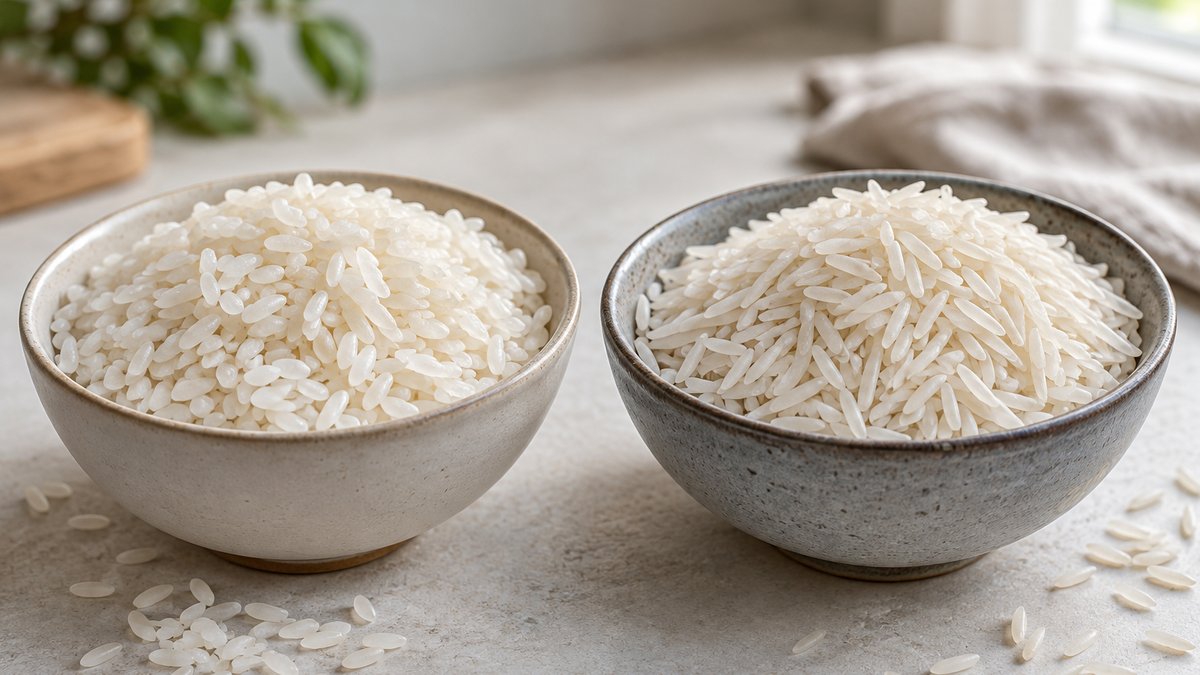
Jasmine rice and basmati rice are both aromatic long-grain rice, but the names refer to different product identities and buyer expectations. Basmati is associated with a defined growing region in the Himalayan foothills of the Indian subcontinent; jasmine rice is a broader trade name, with Thai Hom Mali rice being a specifically defined Thai category.
For importers and exporters, the distinction affects the description in a contract, the origin and variety evidence a buyer may request, and the grain and cooking attributes to check. The name alone does not define milling, broken-grain percentage, crop age, packaging or destination-market requirements.
1. Jasmine Rice and Basmati Rice Differ in Identity and Use
Jasmine rice generally refers to fragrant rice sold under that market name, while Basmati identifies aromatic rice connected to a specific geographical growing area. The Indian Agricultural and Processed Food Products Export Development Authority describes Basmati as long-grain aromatic rice grown in a defined area in the Himalayan foothills, with slender grains that lengthen to at least twice their original size during cooking.
The term jasmine needs a more exact description in a purchase contract. Thailand's Department of Foreign Trade defines Thai Hom Mali rice as rice from the Kao Dok Mali 105 and RD 15 varieties, grown in Thailand as a main-season crop and certified by the country's Department of Agriculture. That official category has natural fragrance and a tender cooked texture. A shipment labelled only “jasmine rice” does not, by itself, establish that it is Thai Hom Mali.
These names also do not describe the same attributes as milling or processing terms. Codex's Standard for Rice covers husked, milled and parboiled rice for direct human consumption, and provides general long-, medium- and short-grain classifications. It does not make the commercial names “jasmine” and “basmati” interchangeable or fully specify a buyer's preferred variety, aroma, cooking behavior or grade.
A buyer choosing between the two should start with the intended dish and required grain behavior, then verify the product's origin, variety and lot specification. Jasmine rice is commonly selected when a buyer wants fragrant rice with a tender, soft cooked texture. Basmati is often selected when long, slender grains and pronounced elongation after cooking are required. These are product-selection signals, not guarantees for every lot.
For trade, the useful distinction is therefore more specific than “soft versus fluffy.” The contract should identify the rice category and origin, then define the measurable quality attributes and the evidence the parties will accept.
2. Compare Jasmine Rice and Basmati Against the Contract Specification
The comparison below summarizes common commercial distinctions. Jasmine rice is not one universally defined variety, so the jasmine column uses Thai Hom Mali as a specific, official example. Buyers should not apply its criteria to every product sold as jasmine rice.

The Thai Hom Mali figures are part of Thailand's product standard, not a universal jasmine-rice rule. The standard requires at least 92% Thai Hom Mali rice and no more than 14% moisture. It also specifies a minimum average whole-kernel length of 7.0 mm and a minimum length-to-width ratio of 3.2:1. Those thresholds apply to the standardized Thai Hom Mali category described by the source.
Codex supplies a general classification method for long grain rice, but traders should state which classification option they are using. A long-grain label is not enough to identify a variety or guarantee the cooked length and texture a buyer expects. Contract limits should specify the method, sample and inspection basis as well as the target values.
The same caution applies to grade names. A seller's “premium” label may not match the buyer's definition. Set the limits for whole and broken kernels, moisture, foreign matter and any variety purity requirement in the purchase specification. If the parties rely on an official standard, name the standard and edition.
Buying consideration: Before comparing offers, confirm that both quotations cover the same rice identity, origin, milling state, grade, crop specification, packaging and delivery basis. A lower price for one product is not a like-for-like comparison if the variety or broken-kernel limits differ.
Looking to Source Jasmine Rice?
Connect with verified suppliers, discover matching products, and explore sourcing opportunities from global markets.
3. A Shipment Scenario Shows Why the Rice Name Is Not Enough
Consider a food importer sourcing aromatic rice for two product lines. One line needs tender rice for a meal where the grains are served with a sauce; the other needs long, slender grains that retain an elongated appearance in a prepared rice dish. The buyer could evaluate Thai Hom Mali for the first requirement and Basmati for the second, then test representative samples before fixing the contract.
Illustrative specification comparison:
Product A: Thai Hom Mali white rice, variety and origin evidence stated
Product B: Basmati rice, variety and geographical origin stated
For both products: State milling type, crop specification, moisture limit, broken-kernel limit, packaging, lot identification and inspection method
Buyer test: Agree sample preparation and evaluate cooked texture, aroma and grain appearance
This is an illustrative comparison, not a universal specification or a claim that either rice suits every recipe.
The scenario does not establish a fixed quality ranking. A buyer may prefer either rice for a particular application, and actual results depend on the variety, crop, handling, milling and cooking method. Agreeing a sample and the method for preparing it gives both parties a shared reference for aroma, texture and appearance.
The seller should also state which claims can be supported by documents. For Thai Hom Mali, buyers can ask for the relevant origin, variety and certification evidence. For Basmati, the specification should identify the claimed origin and the variety or geographical evidence relevant to the transaction. The parties should agree how documents will be checked and what happens if the delivered lot fails the contract limits.
A sound comparison also separates product characteristics from shipment condition. Ask for the crop or harvest reference if it matters to the buyer, the milling state, bag size, inner liner, pallet requirements and container-loading plan. Those details affect handling and acceptance but are not settled by choosing jasmine or Basmati.
4. Choose Jasmine Rice or Basmati by the Required Eating Quality
Choose jasmine rice when the buyer's specification prioritizes fragrance and a tender cooked texture, and the supplier can document the exact variety and origin required. If the product needs to be Thai Hom Mali, name that category rather than relying on “jasmine rice” alone.
Choose Basmati when the buyer needs the distinctive identity of that rice category, slender grains and the elongation described in the agreed product specification. Buyers should define the origin and variety they accept, because a general product name does not provide all the information needed to verify a shipment.
For either product, use a sample test when cooked performance matters to the end customer. Agree the rice-to-water ratio, soaking or rinsing steps if used, cooking equipment and evaluation criteria. Without a shared method, two parties may assess the same lot under different conditions and reach different conclusions about texture or grain separation.
Commercial teams should build the inquiry around measurable points. State the product name and variety, country of origin, white or brown rice, crop or aging requirements where relevant, whole-kernel and broken-kernel limits, moisture limit, packaging, order quantity, destination and delivery term. Add required certificates and inspection arrangements only where they apply to the transaction or importing market.
- Name the product precisely, including Thai Hom Mali or the Basmati variety when required.
- State origin and the documents the supplier must provide to support the product identity.
- Set quality limits for moisture, broken kernels, purity and any other buyer-controlled measure.
- Agree sample testing and the inspection method before production or shipment.
- Confirm packing, quantity, destination, delivery term and document requirements.
Buying consideration: When a supplier cannot confirm the variety or origin evidence, treat that as an unresolved specification point and settle it before approving the offer. Do not use a product name as a substitute for the agreed test limits or documents.
5. Use Official Standards and Sourcing Listings as Reference Points
Three sources help buyers build a more precise comparison. Thailand's Department of Foreign Trade publishes a standard for Thai Hom Mali that defines the product category and sets quality criteria. APEDA describes Basmati identity and the Indian growing area it recognizes. Codex CXS 198-1995 provides general rice definitions, quality factors and grain-classification options.
These documents have different scopes. The Thai standard applies to Thai Hom Mali; APEDA's description concerns Basmati and its Indian geographical area; Codex covers specified rice forms for direct human consumption. None replaces the importing market's current rules or the buyer and seller's contract. Check the relevant authority and current requirements for the destination before shipping.
For an inquiry, keep the official product identity and the commercial specification together. A buyer can request a jasmine or Basmati offer, then compare the supplier's stated variety, origin, quality limits, packing and shipment terms. If a field is not stated, ask for it rather than treating the category name as confirmation.
Freshdi has rice buying requests and supplier listings that buyers and exporters can review alongside their own specification work. Browse Rice buying requests or Rice suppliers to find listings relevant to rice sourcing.

References
1. Department of Foreign Trade, Ministry of Commerce, Thailand – Standards of Thai Hom Mali Rice, Third Edition, 2016.
2. Agricultural and Processed Food Products Export Development Authority – Basmati Rice, Accessed November 13, 2026.
3. Codex Alimentarius Commission – Standard for Rice, CXS 198-1995, 1995, amended 2019.
Disclaimer: This article is compiled from platform data, public sources and information provided by third parties, for general informational purposes only. We do not guarantee its accuracy or completeness. It is not legal, customs, tax or compliance advice. Regulations, tariffs and requirements differ by country and change frequently, so please consult a qualified professional (such as a customs broker, freight forwarder or lawyer) and confirm product specifications with the supplier before acting.